

Our friendly team is available to help Monday to Friday 9:00am – 5:00pm.
If you need urgent assistance, do not use this service. Call 111, or in an emergency call 999.
0 items in your cart

Fast, discreet delivery
Free delivery over £40
100% UK-based pharmacy
All doctors & pharmacists UK-based
Free advice & support
Clinical support free · Mon–Fri 9am–5pm
Rated 4.9 out of 5
12,000+ verified patient reviews
Why Patients Choose Access Doctor
10+
Years serving UK patients
2,000+
Verified patient reviews
1,000+
Licensed treatments
24/7
Consultation available
Access Doctor · Both
Strength
Pack size
Order before 3pm — same-day dispatch (MON - FRI)
~5 min consultation
Secure & confidential · Reviewed by a UK prescriber
No subscription required · Free repeat prescriptions · Cancel anytime
Betamethasone Ointment: Betnovate contains a medicine called betamethasone valerate. It belongs to a group of medicines called steroids. It helps to reduce swelling and irritation. Betnovate is used to help reduce the redness and itchiness of certain skin problems, such as eczema, psoriasis and dermatitis.
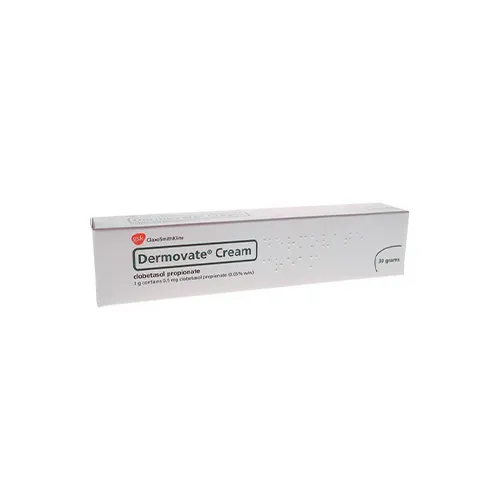
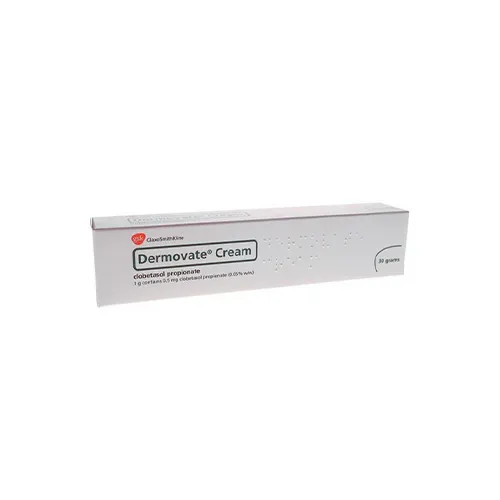
Betamethasone ointment is a topical corticosteroid medicine applied directly to the skin to treat inflammatory skin conditions. The most familiar UK brand is Betnovate (betamethasone valerate 0.1%), though several generic and brand-name versions exist. Betamethasone falls into the "potent" category of topical steroids, which puts it between milder options like hydrocortisone and stronger options like clobetasol (Dermovate). It's used for a range of inflammatory skin conditions including moderate to severe eczema flares, psoriasis on limited body areas, lichen planus, discoid eczema, severe allergic contact dermatitis, lichen simplex chronicus, and other conditions where less potent steroids haven't worked well enough. The ointment form is greasier than the cream and is generally preferred for thicker, drier, more scaly skin.
Topical steroids are classified in the UK by potency rather than by drug name, which is the most useful way to understand the differences. The mild category includes hydrocortisone 0.5 to 2.5%. The moderately potent category includes clobetasone (Eumovate) and alclometasone. The potent category includes betamethasone valerate 0.1% (Betnovate), mometasone (Elocon), and fluticasone (Cutivate). The very potent category includes clobetasol propionate 0.05% (Dermovate). Stepping up the potency ladder gives more powerful anti-inflammatory effect but also more risk of side effects with prolonged use. Betamethasone is the workhorse of the potent category and is what prescribers reach for when hydrocortisone or moderately potent steroids haven't controlled the flare, but the condition isn't severe enough to need a very potent option like Dermovate. The choice between betamethasone and other potent steroids (mometasone, fluticasone) often comes down to prescriber preference, formulation availability, and how the patient has responded to one or the other in the past.
The active ingredient is identical in both forms; the difference is in the base (the inactive ingredients that carry the steroid to the skin). The ointment has a greasy, oily base that sits on the skin, locks in moisture, and creates a partial seal that increases how much steroid penetrates into the skin. The cream has a water-based emulsion that absorbs more quickly, leaves less residue, and feels lighter. Each has its niche. The ointment is generally better for thicker, drier, more scaly skin and for chronic patches of eczema or psoriasis where the skin has become thickened (lichenified). The cream is better for moist or weeping areas, for face or flexure (groin, armpit) application where the ointment would feel uncomfortable, and for daytime use under clothing. The ointment is also slightly more potent in clinical effect than the cream, even though the steroid concentration is the same, because the occlusion increases absorption. Many patients use both at different stages or in different areas.
Betamethasone is a synthetic corticosteroid, related chemically to cortisol, the body's own anti-inflammatory hormone. When applied to the skin, it penetrates into the cells of the upper layers, where it binds to glucocorticoid receptors inside the cell. The receptor-betamethasone complex then moves into the cell nucleus and changes which genes are switched on and off. The result is a broad anti-inflammatory effect: production of inflammatory chemicals (prostaglandins, leukotrienes, cytokines) is suppressed, fewer inflammatory cells are recruited into the skin, the small blood vessels in the inflamed area constrict (which is why redness fades), and the heightened sensitivity of the area to itch and pain is reduced. None of this addresses the underlying cause of conditions like eczema or psoriasis, which is why the inflammation tends to return when treatment stops. Betamethasone treats the symptom of inflammation rather than the disease driving it.
The fingertip unit (FTU) is a practical way of measuring topical steroid doses, and it solves a common problem: people either use far too little (so the medicine doesn't work) or far too much (which wastes the tube and increases side effects). One fingertip unit is the amount of ointment or cream that can be squeezed onto an adult's index finger from the tip to the first crease. One FTU equals about half a gram and covers an area roughly equivalent to two adult palm prints. As a rough guide for an adult, your face and neck together take about 2.5 FTUs; one hand (both sides) takes 1 FTU; one arm takes 3 FTUs; one foot takes 2 FTUs; one leg takes 6 FTUs; your front torso takes 7 FTUs; and your back including buttocks takes 7 FTUs. Apply the ointment thinly to the affected area once or twice daily, depending on the prescription, and rub it in gently rather than smearing it on heavily. If you're using an emollient (moisturiser) as well, allow at least 30 minutes between the two, and apply each to the appropriate area: the steroid to the inflamed skin, the emollient to the wider area including the flare.
Short-term use is the principle that runs through topical steroid prescribing. For most adult conditions, a typical course is once or twice daily application for 1 to 2 weeks, and rarely beyond 4 weeks of continuous use. The aim is to use the medicine intensively enough to clear the flare, then stop or step down rather than continue indefinitely at the same intensity. Stopping abruptly after a long course can trigger a rebound flare, so prescribers often suggest tapering: reducing application from twice daily to once daily, then to alternate days, then stopping, or moving to a milder steroid before stopping. For chronic conditions like eczema that tend to flare and settle, a strategy called proactive treatment is sometimes used, where the steroid is applied two or three times a week to typical flare areas even when the skin looks well, as a way of preventing recurrences. This is a longer-term plan than the standard short-course approach and is usually guided by a dermatologist or specialist nurse. If you're being told to use betamethasone for months on end without any clear plan to step down or move to alternatives, that's a sign your treatment plan needs review.
This is one of the most important questions to address clearly, because these areas need particular care. The skin on the face, eyelids, and skin folds (groin, under breasts, armpits) is much thinner than skin on the arms, legs, or torso. The medicine absorbs more readily through this thinner skin, which means side effects (skin thinning, telangiectasia, perioral dermatitis, even systemic absorption) develop faster than they would on thicker skin. Eyelids carry additional risks: long-term steroid use near the eye can raise intraocular pressure and contribute to glaucoma or cataracts. The general rule is to avoid potent topical steroids like betamethasone on these areas unless a clinician has specifically directed you to use them, and even then, only for short, limited courses with regular review. Milder options (hydrocortisone, clobetasone) or steroid-free alternatives (tacrolimus or pimecrolimus ointments) are usually preferred for these sites. If your prescription is for betamethasone and you have a flare on your face or in a flexure, check with your prescriber that the medicine is appropriate before applying.
Most side effects are local to the skin where the medicine is applied, and they're more likely with longer courses, larger areas, application to thin-skinned areas, and use under occlusion (for example under cling film or tight clothing). Local effects include skin thinning (atrophy), the appearance of small visible blood vessels (telangiectasia), bruising more easily, stretch marks (especially on flexures), changes in pigmentation, increased hair growth in treated areas, perioral dermatitis if used on the face, acne-like eruptions, and worsening of any underlying fungal or bacterial infection (steroids mask infection but don't treat it). Some people develop a contact allergy to the steroid itself or to the cream base. Systemic side effects from skin absorption are uncommon with appropriate short-term use, but they can occur with very large areas, very prolonged courses, or use under occlusion. The most relevant systemic concerns are suppression of the body's own adrenal function (HPA axis suppression), Cushing-like features with very heavy use, and growth slowing in children using extensive treatment. Used as prescribed for short courses, betamethasone is generally well tolerated and most people experience no significant side effects.
This is one of the most common worries patients have, and the honest answer is that it can, but the risk is much smaller with appropriate short-term use than is sometimes feared. Skin thinning (atrophy) develops mostly with prolonged use over many weeks or months, with application to thin-skinned areas (face, flexures), and with use under occlusion. A 1 to 2 week course of betamethasone for an eczema flare on the arms, legs, or torso rarely causes visible skin thinning, and the skin recovers when treatment stops. Repeated cycles of short courses for flares, with breaks in between, also rarely cause long-term thinning. The situations where thinning becomes a real problem are typically: continuous daily use for many months without breaks; use of strong potency steroids on the face; use in babies and small children whose skin is thinner; and use under occlusion. If you're concerned, applying the medicine only where you need it (using the fingertip unit guide), sticking to the prescribed duration, and not applying betamethasone to the face or flexures without specific advice keeps the risk low.
Topical steroid withdrawal (TSW), sometimes called red skin syndrome, has become a much-discussed topic over the last several years, particularly on social media. The basic phenomenon is real: a small subset of people who have used moderate to very potent topical steroids extensively over months or years can develop a difficult and distressing reaction when they stop, including burning red skin, peeling, swelling, oozing, and intense itch beyond the original condition. The skin can take weeks or months to settle. Where the controversy lies is in how common TSW is, how clearly it can be distinguished from rebound eczema or contact allergy, and what the best management looks like. Mainstream dermatology generally accepts that TSW occurs but considers it uncommon with appropriate steroid use. The clearest risk factors are continuous long-term application of potent or very potent steroids (often to the face), repeated use over many years, and self-prescribed use without medical supervision. Short courses for clear flares, used as prescribed and with breaks between flares, are not associated with significant TSW risk. If you've used betamethasone heavily for months or years and are worried, the right step is a dermatology review rather than abruptly stopping on your own, which can make any rebound worse.
For short-term use on small areas, betamethasone is generally considered acceptable in pregnancy. Topical absorption into the bloodstream is low under normal application conditions, and the medicine doesn't reach the developing baby in clinically meaningful amounts. The cautions become real with extensive application to large body areas, prolonged use, or use under occlusion, where systemic absorption rises and there's been some evidence of effects on fetal growth and low birth weight. Most clinicians prefer to use mild steroids (hydrocortisone) preferentially in pregnancy where possible, with betamethasone reserved for flares that don't respond. In breastfeeding, the same principle applies: short-term use on limited areas is generally safe, but the medicine should not be applied to the breast or nipple area, since the baby could ingest the steroid through breast milk or by direct mouth contact. If a nipple flare needs treatment, wiping the area before each feed is the usual advice. As always with topical medicines in pregnancy or breastfeeding, the conversation is best had with a GP, midwife, or dermatologist rather than self-managing.
Yes, in appropriate circumstances and under medical guidance, although the cautions are tighter than for adults. Children have a higher surface-area-to-body-weight ratio than adults, which means percutaneous absorption produces a relatively bigger systemic exposure for any given area treated. Their skin is also generally thinner. Both factors mean potent steroids like betamethasone are used more sparingly, in shorter courses, and on smaller areas in children than they would be in adults. Hydrocortisone is usually the first-line topical steroid in young children, with moderately potent (clobetasone) and potent (betamethasone) options reserved for flares that don't respond. In babies under 1, potent steroids are generally avoided altogether except under specialist supervision. The fingertip unit measurements above are for adults; in children, the same logical approach applies (treat the affected area, no more) but with smaller absolute amounts. If you've been given betamethasone for a child without clear written instructions about how long and how much to use, follow up with the prescriber for clarification before starting.
Yes, almost always. Emollients (moisturisers) are the cornerstone of long-term skin care in inflammatory conditions like eczema and psoriasis, and they should be used liberally and regularly alongside steroid treatment. The standard approach is to apply the steroid only to actively inflamed patches (using the fingertip unit guide) and to apply the emollient to the wider area of skin, including the flare area, two or three times a day. Allow at least 30 minutes between applying the steroid and applying the emollient (in either order) so the medicines don't dilute each other or affect each other's absorption. Some prescribers suggest steroid first, then emollient 30 minutes later; others suggest emollient first, then steroid later. Either approach works; consistency matters more than the exact order. Continuing the emollient routine between steroid courses is one of the most reliable ways of reducing how often flares happen.
There are several reasons why a steroid might not seem to be working. The most common is under-treatment: not applying enough (the fingertip unit guide above helps), not treating for long enough, or not treating the whole area that's affected. A second common reason is the wrong steroid potency for the severity of flare, where a step up to a stronger steroid or down to a milder one may matter. A third is infection: bacterial or fungal infection of the skin can mimic or complicate eczema and psoriasis, and steroids alone won't treat it. Signs of infection include sudden worsening, weeping, golden crusts, increased pain, fever, or red streaks spreading from the area, all of which warrant prompt review. Several other features call for a clinical review rather than continuing on betamethasone alone: a rash that's spreading rapidly, blistering, no improvement after 2 weeks of treatment, frequent flares requiring repeated courses, any rash in a baby or young child that hasn't been properly diagnosed, and any rash with associated systemic symptoms (fever, joint pain, fatigue, weight loss). For chronic conditions like eczema and psoriasis that need repeated betamethasone courses, an annual review with your GP or dermatologist helps make sure the overall plan is still appropriate, and modern treatments (calcineurin inhibitors, phototherapy, oral medicines, biologics for severe disease) may offer better long-term control than reliance on topical steroids alone.
Apply TWICE a day, Spread thinly on affected skin area only.
Warning: FOR EXTERNAL USE ONLY. Contains a moderate potency topical corticosteroid.
No reviews yet. Be the first to write one.
Helpful articles and clinical guides related to this treatment category.
Free consultation
Online review by a UK prescriber
Next-day delivery
Order before 3pm where offered
Discreet packaging
Plain outer packaging