
Prescription Skin Health · Acne · Clinical Guide
Buy Acne Treatment Online UK: Complete Prescription Guide
Medically authored & reviewed by
Dr Abdishakur M Ali
General Practitioner · Telehealth Expert · Clinical Director
Last reviewed: March 2026
GPhC Registered Pharmacy
✓ GPhC-registered pharmacy #9011198·✓ Pharmacist independent prescribers·✓ Discreet next-day delivery·✓ UK-regulated online consultation
Medical disclaimer: This article is for informational purposes only and does not constitute medical advice. Our prescribers are GPhC-registered pharmacist independent prescribers. In a medical emergency, call 999.
Acne is the most common skin condition in the UK, affecting up to 95% of people between the ages of 11 and 30. Yet good prescription treatment is still hard to access quickly through the NHS — GP waiting times can stretch to three or four weeks, and dermatology referrals longer still. This guide covers everything you need to know about buying prescription acne treatment online in the UK safely and effectively through a GPhC-registered pharmacy.
Start Your Acne Consultation Today
GPhC-registered pharmacy #9011198. Reviewed by pharmacist independent prescribers. Same-day prescription, discreet next-day delivery.
Browse Acne Treatments →✓ GPhC-registered pharmacy #9011198 ✓ Pharmacist independent prescribers ✓ Discreet next-day deliveryWhy Buy Acne Treatment Online in the UK?
Buying prescription acne treatment online is faster, more private, and more convenient than the traditional GP route. The clinical process is exactly the same — the difference is it takes hours, not weeks. At Access Doctor, you complete a short medical questionnaire, a GPhC-registered prescriber reviews your case, and if treatment is suitable your prescription goes out the same day.
- No GP wait — prescription reviewed the same day, not in two to four weeks
- Available 24/7 — complete your consultation from anywhere in the UK, at any time
- Discreet home delivery — your medication arrives in plain, unbranded packaging
- Simple repeat prescriptions — reorder without restarting the full process
- Clinically safe — every prescription reviewed by a qualified UK prescriber
- GPhC registered — Access Doctor is fully registered with the General Pharmaceutical Council
Regulated and verified: Access Doctor holds a GPhC registration and displays the European common logo linking to the MHRA medicines register. Every prescription is issued by a qualified, GPhC-registered pharmacist independent prescriber — the same clinical standard as a face-to-face visit, but much faster.
What Is Acne?
Acne vulgaris is a chronic inflammatory skin condition affecting the pilosebaceous unit — the hair follicle and its attached sebaceous (oil) gland. These units are densest on the face, neck, chest, back, and shoulders. Acne is not just a cosmetic concern: research consistently links moderate and severe acne to depression, anxiety, and lower quality of life. For a comprehensive overview of the condition, see our guide: All you need to know about acne.
95%
of people aged 11–30 experience acne at some point
12%
of women over 25 live with ongoing adult acne
8–12
weeks for most prescription treatments to show visible results
What actually happens under the skin
Four processes combine to cause acne: the sebaceous glands produce excess sebum; skin cells shed abnormally inside the follicle forming a blockage; Cutibacterium acnes bacteria multiply in the blocked follicle; and the immune system triggers inflammation in response. The most effective treatment plans target more than one step at once.
Types of acne lesions
| Lesion type | Description | Treatment priority |
|---|---|---|
| Blackhead (open comedone) | Oxidised sebum visible at pore; NOT dirt | Retinoid to unblock pore |
| Whitehead (closed comedone) | Sebum sealed beneath skin surface | Retinoid to normalise shedding |
| Papule | Small, raised red bump — early inflammatory | Topical antibiotic + benzoyl peroxide |
| Pustule | Papule with white/yellow pus head | Combination gel (Duac/Treclin) |
| Nodule | Large, hard, deep, painful — slow healing | Oral antibiotic + topical retinoid |
| Cyst | Deep pus-filled; highest scarring risk | Dermatology referral; isotretinoin |
Who gets adult acne?
Around 12% of women and 3% of men over 25 have ongoing adult acne. See our guide for more on what causes acne and how all types are treated. Hormonal acne is particularly common in women — typically presenting as jawline spots, chin blemishes, and cystic breakouts that worsen before periods.
What Causes Acne? Triggers and Risk Factors
The mechanism behind acne is always the same, but triggers differ between people. Knowing your specific triggers helps your prescriber find the most effective treatment.
Hormonal changes
Androgens stimulate the oil glands to produce more sebum. This explains why acne often flares at puberty, before periods, during pregnancy, and around the menopause — and why PCOS so frequently causes persistent adult acne in women.
Hormonal acne pattern in women: If your spots cluster along the jaw and chin, worsen in the week before your period, and resist topical treatments alone, a hormonal trigger is likely. Co-cyprindiol with adapalene gel is often the most effective approach.
Genetics
Acne has a strong genetic component — twin studies show a concordance rate above 80%. Genetics affect sebum production, how skin cells shed, and the strength of your inflammatory response.
Diet and lifestyle
High-GI foods — refined carbohydrates and sugary drinks — raise IGF-1 levels, which stimulates androgen production and increases sebum output. Some studies also associate high dairy intake, especially skimmed milk, with acne.
Comedogenic skincare products
Heavy, oil-based products and certain makeup formulas can physically block follicles — known as acne cosmetica. Switching to non-comedogenic, fragrance-free products is an important step alongside any medical treatment plan.
Medications that can trigger acne
Corticosteroids, anabolic steroids, lithium, and certain anticonvulsants can worsen or trigger acne as a side effect. Speak to a prescriber before stopping any medication.
Types of Acne and How They Are Graded
Acne splits into two main groups: non-inflammatory (comedones) and inflammatory (papules, pustules, nodules, and cysts). Your grade directly determines which prescription treatment a clinician will recommend.
| Grade | Presentation | First-line treatment |
|---|---|---|
| Mild | Mainly comedones, a few papules | Topical retinoid or azelaic acid |
| Moderate | More papules and pustules, some nodules | Oral antibiotic + combination gel |
| Severe | Widespread nodules and pustules | Oral antibiotics + topical; consider referral |
| Cystic | Cysts with active scarring risk | Dermatology referral; isotretinoin assessment |
Prescription Acne Treatments You Can Buy Online in the UK
When you buy acne treatment online through Access Doctor, you get access to the full range of clinically-proven prescription acne medications — every one reviewed by a qualified UK prescriber before dispatch.
Topical antibiotics
Topical antibiotics kill C. acnes bacteria directly on the skin surface. Most effective for inflammatory spots. Always paired with benzoyl peroxide or a retinoid to prevent antibiotic resistance.
💊
Dalacin T LotionClindamycin phosphate 1% · Topical antibiotic lotionView product →
💊
Zindaclin GelClindamycin 1% · Topical antibiotic gelView product →
Combination prescription gels
Combination gels deliver two active ingredients in one product, targeting two mechanisms at once. Clinical trials consistently show better outcomes than single-ingredient products.
🧴
Duac GelClindamycin 1% + Benzoyl Peroxide 5%View product →
🧴
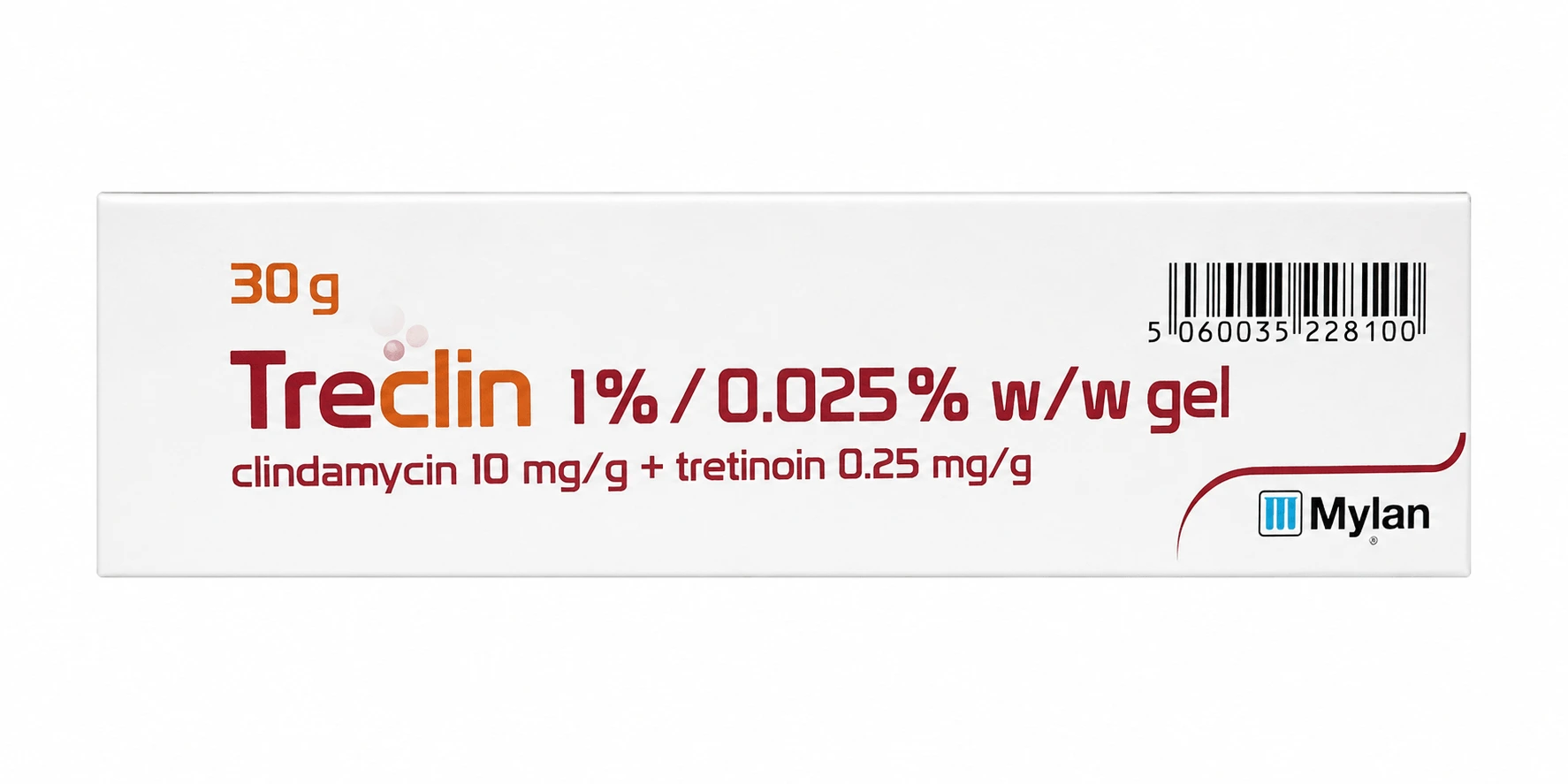
Treclin GelClindamycin 1% + Tretinoin 0.025%View product →
🌿
Co-Cyprindiol & AdapaleneAnti-androgen pill + Topical retinoidView product →
Duac Gel is one of the most widely prescribed acne treatments in the UK. Treclin Gel pairs clindamycin with tretinoin for mixed acne. For women, co-cyprindiol with adapalene treats the hormonal root cause and surface breakouts together.
Azelaic acid
Azelaic acid reduces bacteria, calms inflammation, normalises skin cell turnover, and fades post-inflammatory hyperpigmentation (PIH). Suits all skin types including sensitive skin and darker skin tones. For detailed azelaic acid guidance, see our complete Skinoren guide and Skinoren Explained.
🌿
Finacea Gel 15%Azelaic Acid 15% · Multi-action prescription topicalView product →
Oral antibiotics
Oral antibiotics treat moderate to severe acne systemically. Always paired with a topical retinoid or benzoyl peroxide to reduce antibiotic resistance risk.
💊
Tetralysal 300Lymecycline 300mg · Oral tetracycline antibioticView product →
💊
Minocycline MRMinocycline 100mg · Modified-release antibioticView product →
Antibacterial cleanser
🫧
Acnecide Face WashBenzoyl Peroxide 5% · Daily antibacterial cleanserView product →
Acnecide Face Wash kills acne bacteria, clears blocked pores, and does not contribute to antibiotic resistance — an essential companion to any antibiotic-based regimen.
Browse All Prescription Acne Treatments
GPhC-registered pharmacy #9011198. Pharmacist independent prescribers. Same-day prescription, discreet next-day delivery.
View All Acne Treatments →✓ GPhC-registered pharmacy #9011198 ✓ Pharmacist independent prescribers ✓ Discreet next-day deliveryActive Ingredients in Acne Treatment: A Plain-English Guide
RetinoidTretinoin & Adapalene
Topical retinoids derived from vitamin A are the cornerstone of acne treatment. Tretinoin (in Treclin Gel) is the most potent topical retinoid. Adapalene is newer and better tolerated. Both cause a purging phase in weeks two to six — a temporary worsening as microcomedones surface. This is normal.
Best for: Comedonal & mixed acneResults in: 8–12 weeksApply: PM only (photosensitising)Avoid in: Pregnancy
AntibioticClindamycin Phosphate
Clindamycin inhibits bacterial protein synthesis, reducing C. acnes colonisation, and has a direct anti-inflammatory effect. Most effective for papules and pustules. Always combine with benzoyl peroxide to prevent resistance.
Best for: Inflammatory acneResults in: 4–8 weeksApply: Twice dailyAlways pair with: Benzoyl peroxide
AntibacterialBenzoyl Peroxide
One of the most clinically validated acne treatments available. Kills acne-causing bacteria without causing resistance — making it essential in any regimen containing topical or oral antibiotics. Note: bleaches fabric and hair.
Best for: All acne typesResults in: 4–8 weeksCaution: Bleaches fabric & hairAdvantage: No resistance risk
Multi-actionAzelaic Acid
A naturally occurring acid with a uniquely broad mechanism. At 15% in Finacea Gel, it reduces C. acnes, inhibits inflammation, normalises keratinocyte differentiation, and inhibits tyrosinase — the enzyme responsible for post-inflammatory hyperpigmentation. Safe for darker skin tones and sensitive skin. Further reading: Skinoren: Complete Azelaic Acid Guide · Skinoren Explained · Why Skinoren Is a Powerful Solution for Acne.
Best for: Sensitive skin & PIHResults in: 8–12 weeksAdvantage: Fades dark marksSuits: Most skin types
Oral AntibioticLymecycline & Minocycline
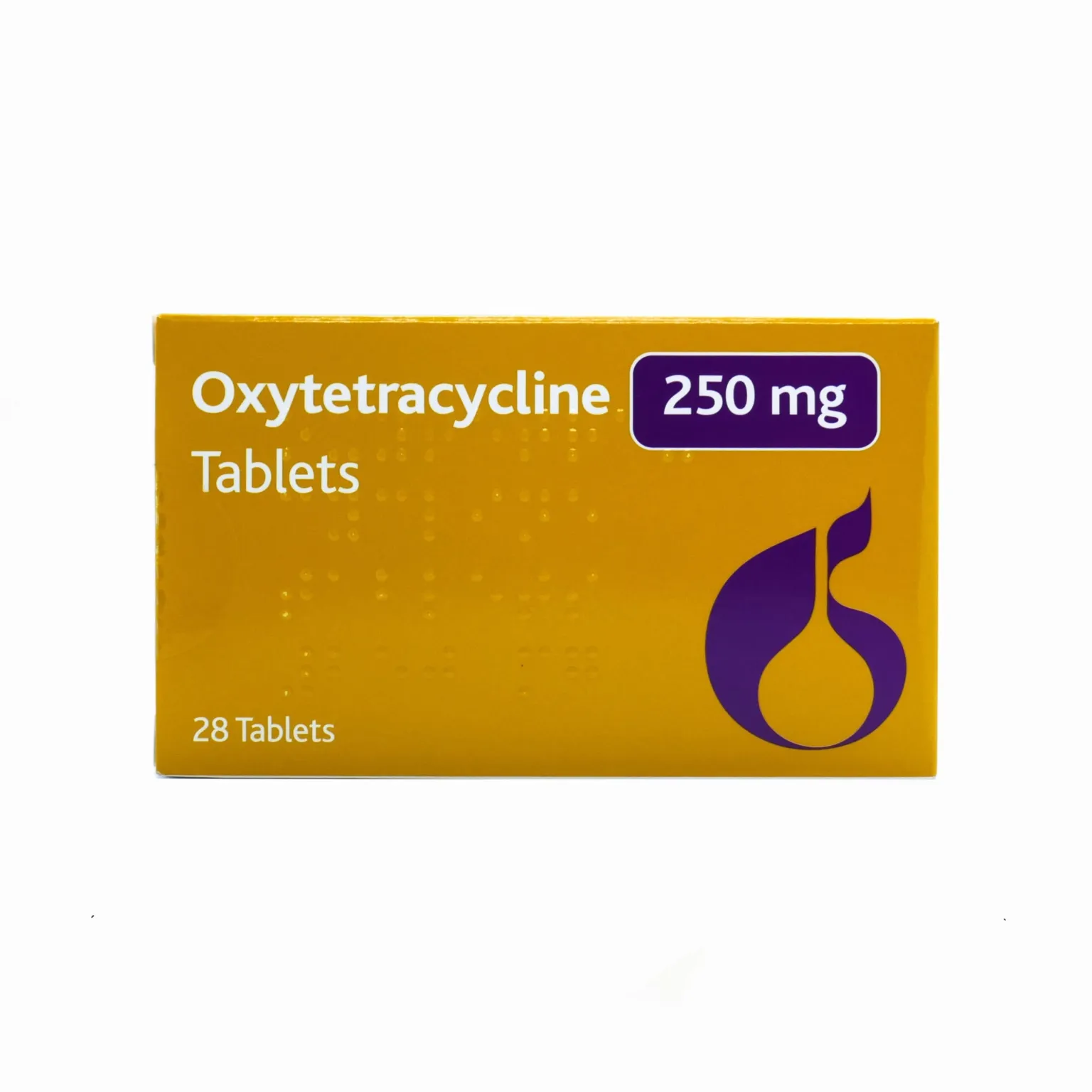
Both belong to the tetracycline class. Lymecycline (Tetralysal 300) is the most prescribed oral antibiotic for acne in the UK — once-daily and food-independent. Minocycline MR offers modified-release delivery plus additional anti-inflammatory properties. Neither is safe in pregnancy or those under 12.
Best for: Moderate–severe acneResults in: 4–8 weeksDuration: 3–6 months maxAlways pair with: Retinoid or BPO
HormonalCo-Cyprindiol (Ethinylestradiol + Cyproterone Acetate)
A combined oral contraceptive with anti-androgenic properties. Cyproterone acetate blocks androgen receptors at the sebaceous gland — reducing sebum production at its source. Specifically licensed for women with androgen-dependent acne. Prescriber assessment required.
Best for: Hormonal acne in womenResults in: 3–6 monthsAlso provides: ContraceptionRequires: Prescriber assessment
Off-labelSpironolactone
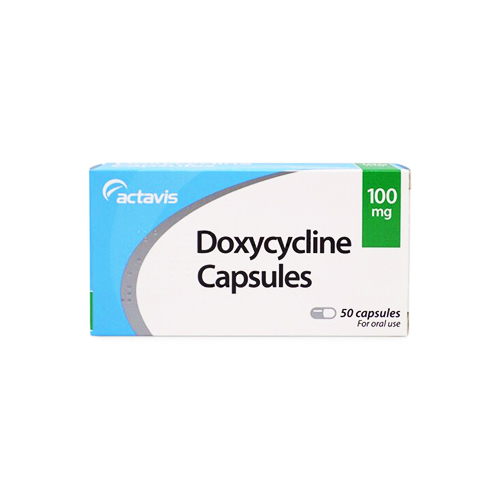
An increasingly used off-label option for adult female acne. Blocks androgen receptors in the skin, reducing sebum production. A 2023 BMJ randomised controlled trial found spironolactone significantly more effective than doxycycline for adult women with facial acne.
Best for: Adult female hormonal acneEvidence: BMJ RCT 2023Status: Off-label in UKRequires: Prescriber assessment
The NICE Treatment Ladder: How UK Doctors Prescribe Acne Treatment
UK clinicians follow NICE Clinical Guideline CG184, which sets a clear step-by-step approach based on acne severity. For more on how to access treatment at each step through an online consultation, see our guide to acne treatment online in the UK.
| Severity | First-line options | Notes |
|---|---|---|
| Mild (comedonal) | Topical retinoid OR azelaic acid | Adapalene preferred; 12-week trial |
| Mild (inflammatory) | Benzoyl peroxide + topical antibiotic OR topical retinoid | Never topical antibiotic alone |
| Moderate | Oral antibiotic + topical retinoid + benzoyl peroxide | Max 6-month antibiotic course |
| Moderate (women) | Co-cyprindiol OR spironolactone + topical therapy | 3–6 months for full effect |
| Severe / nodular | Dermatology referral for isotretinoin assessment | NHS referral via GP |
| Acne scarring | Private clinic for microneedling, peels, or laser | Not available on NHS |
Key NICE principle: Topical antibiotics must never be prescribed alone. They must always be combined with benzoyl peroxide or a retinoid to minimise the risk of antibiotic-resistant C. acnes. Access Doctor prescribers follow this guidance as standard.
Isotretinoin (Roaccutane): The Most Powerful Acne Treatment
Isotretinoin — widely known as Roaccutane — is an oral retinoid reserved for severe, nodular, or cystic acne, or acne that has not responded to at least two courses of other treatments. Around 85% of patients see significant or complete clearance after a single course — the only acne treatment capable of producing long-term remission.
⚠️ Isotretinoin cannot be prescribed online. It requires in-person dermatology consultations, monthly blood tests (liver function and lipids), and a mandatory NHS Pregnancy Prevention Programme (PPP) for all women of childbearing potential. Ask your GP for an NHS dermatology referral or see a private dermatologist.
Common side effects
- Dry lips, skin, and eyes — nearly universal; use fragrance-free emollients throughout
- Initial purge — acne may worsen in weeks 1–4 before improving
- Elevated liver enzymes and blood lipids — monitored via monthly blood tests
- Mood changes — discuss any history of depression with your dermatologist before starting
- Photosensitivity — SPF 50 is essential throughout the course
Access on the NHS
Isotretinoin is only prescribable by dermatologists. NHS access is via GP referral, free at point of use. Private dermatology clinics can also prescribe it, typically for £150–£300 per consultation plus prescription costs.
How to Buy Acne Treatment Online in the UK: Step by Step
1
Complete your medical questionnaire: Answer detailed questions about your skin type, acne location and severity, previous treatments, current medications, allergies, and health history. You can upload photos to help the prescriber assess your skin directly.
2
A prescriber reviews your case: A GPhC-registered pharmacist independent prescriber reads your consultation, checks for contraindications, reviews your history, and selects the most suitable treatment. This typically takes a few hours.
3
Your prescription is issued and dispatched: Once approved, your medication is dispensed and arrives in discreet, plain packaging — usually within 24 to 48 hours via tracked delivery.
4
Follow-up review and repeat prescriptions: After 8 to 12 weeks, a follow-up review checks your progress and adjusts treatment if needed. Repeat prescriptions are fast to reorder.
How to verify an online pharmacy is safe
- A GPhC registration number is clearly displayed on the website
- The European common logo links to the MHRA official medicines register when clicked
- A real UK prescriber reviews your case — not an automated system alone
- The site does not offer prescriptions without a consultation
- A physical UK address and a contactable support team are listed
How Much Does Acne Treatment Cost in the UK?
When you buy acne treatment online, you often pay less than through a private GP — online pharmacies don’t add separate dispensing fees or consultation surcharges on top of medication costs.
Online consultation
Often included in the cost of your prescription
Free – £10
Combination gels (Duac Gel, Treclin Gel)
Per tube — most popular first-line prescriptions
~£20–£35
Topical antibiotics (Dalacin T, Zindaclin Gel)
Per bottle or tube
~£18–£30
Finacea Gel 15% (azelaic acid)
Prescription strength per tube
~£18–£28
Oral antibiotics (Tetralysal 300, Minocycline MR)
Per course
~£15–£30
Three-month supply bundles
Lower per-unit cost than monthly orders
20–30% less
UK tracked delivery
Discreet, plain packaging
Often free
NHS prescription charges: Each NHS prescription item currently costs £9.90 in England (free in Wales, Scotland, and Northern Ireland). If you hold an NHS exemption certificate, prescriptions are free. For patients paying full NHS charges, buying online is often comparable or cheaper — especially for combination regimens involving more than one item.
Skincare Routine Advice for Acne-Prone Skin
Prescription medication works significantly better with the right skincare routine. The wrong products can clog pores, reduce medication effectiveness, or cause unnecessary irritation — especially when using retinoids or benzoyl peroxide. If you have persistent redness or flushing that may be rosacea rather than acne, see our guide to metronidazole for rosacea and skin infections.
Morning routine
- Gentle, non-comedogenic cleanser — avoid foaming cleansers with sodium lauryl sulfate
- Oil-free, non-comedogenic moisturiser — essential when using retinoids or benzoyl peroxide
- SPF 30–50, non-comedogenic, gel or fluid formula — retinoids cause photosensitivity
- Benzoyl peroxide products — Acnecide Face Wash and Duac Gel suit morning use best
Evening routine
- Double cleanse if wearing SPF or makeup — start with micellar water or a gentle cleansing balm
- Apply prescription topical as directed — retinoid products like Treclin Gel apply best on dry skin in the evening
- Moisturise after active treatments — allow prescription product to absorb first, then apply a barrier-repair moisturiser
Products and ingredients to avoid
- ✗Comedogenic oils — coconut oil, cocoa butter, and many plant oils are highly comedogenic
- ✗Fragranced skincare — synthetic fragrance is a leading cause of contact dermatitis and can worsen inflammatory acne
- ✗Physical scrubs — mechanical scrubbing spreads bacteria and damages the skin barrier
- ✗High-alcohol toners — dehydrate the skin and trigger reactive excess oil production
- ✗Layering multiple actives without guidance — mixing vitamin C, retinoids, niacinamide, and benzoyl peroxide without advice can cause irritation
Safety, Side Effects, and When to See a GP in Person
| Treatment | Common side effects | Usually settles by |
|---|---|---|
| Treclin Gel, adapalene (retinoids) | Dryness, redness, peeling, initial purging | 4–8 weeks |
| Duac Gel, Acnecide (benzoyl peroxide) | Dryness, mild irritation, fabric bleaching | 2–4 weeks |
| Dalacin T, Zindaclin (topical antibiotics) | Mild irritation, occasional dryness | 2–4 weeks |
| Finacea Gel (azelaic acid) | Tingling, mild redness on application | 2–4 weeks |
| Tetralysal, Minocycline (oral antibiotics) | GI upset, photosensitivity, vaginal thrush | Take with food; use daily SPF |
| Co-cyprindiol | Mood changes, breast tenderness, nausea | First 1–3 months |
When online treatment is not appropriate
- ✗Your acne is severe, cystic, or already causing scarring — you may need isotretinoin, which requires in-person monitoring
- ✗You have tried multiple antibiotic courses without improvement
- ✗You have signs of a hormonal disorder such as excessive hair growth, irregular periods, or unexplained weight gain (possible PCOS)
- ✗You are pregnant or trying to conceive — several treatments are unsafe in pregnancy
- ✗You have a severe allergic reaction to a prescribed treatment
- ✗Your acne has not improved after three to six months of consistent prescription treatment
Isotretinoin (Roaccutane) cannot be prescribed online. Requires in-person dermatology consultations, monthly blood tests, and a mandatory pregnancy prevention programme for women. Ask your GP for a dermatology referral or see a private dermatologist.
More Acne Guides from Access Doctor
Explore our clinically reviewed acne and skin health guides — covering active ingredients, individual treatments, and how to access prescription care online in the UK.
🔬
All You Need to Know About AcneA complete overview of acne — causes, symptoms, types, and treatment options explained clearly.Acne Guide →
🌿
Skinoren: The Complete Guide to Azelaic AcidEverything you need to know about Skinoren (azelaic acid) for acne, rosacea, and post-inflammatory hyperpigmentation.Azelaic Acid →
💧
Why Skinoren Topical Cream Is a Powerful Solution for AcneHow Skinoren cream works against acne bacteria, inflammation, and skin pigmentation.Skinoren Cream →
📋
Skinoren Explained: Your Guide to Azelaic Acid for Clearer SkinA deep-dive into azelaic acid: how it works, the timeline for results, and how it compares to retinoids.Azelaic Acid →
💻
Acne Treatment Online UKHow to access prescription acne treatment quickly and safely through an online consultation.Online Access →
🧬
Metronidazole for Skin Infections, Rosacea, and MoreWhen metronidazole is prescribed for skin conditions — including rosacea, often confused with adult acne.Skin Conditions →
Frequently Asked Questions
Can I buy acne treatment online in the UK?
Yes. You can buy prescription acne treatment online in the UK through a GPhC-registered pharmacy like Access Doctor. A qualified UK prescriber reviews your consultation before any prescription is issued. Treatments include Duac Gel, Treclin Gel, Dalacin T, Tetralysal 300, Finacea Gel, and co-cyprindiol with adapalene.
What is the best prescription acne treatment in the UK?
The best treatment depends on your acne type and severity. Mild comedonal acne often responds to a topical retinoid like adapalene. Inflammatory acne may need Duac Gel (clindamycin + benzoyl peroxide) or oral lymecycline. Women with hormonal acne often benefit most from co-cyprindiol combined with adapalene. A prescriber consultation gives you the most accurate match.
How long does prescription acne treatment take to work?
Most prescription acne treatments show visible results within 8 to 12 weeks. Oral antibiotics such as lymecycline (Tetralysal 300) often work within 4 to 6 weeks. Retinoids can cause a temporary purging phase in weeks two to six — this is normal and expected. Do not stop the treatment.
Is it safe to buy acne treatment online in the UK?
Yes, provided you use a GPhC-registered pharmacy with genuine prescriber review. Access Doctor is fully GPhC-registered (registration #9011198). All prescriptions go through a qualified UK prescriber before dispatch. Never buy prescription medication from a site without a GPhC registration number and MHRA-verified logo.
Can I get isotretinoin (Roaccutane) online?
No. Isotretinoin requires in-person dermatology consultations, monthly blood tests (liver function and lipids), and a mandatory NHS Pregnancy Prevention Programme for women of childbearing potential. Ask your GP for an NHS dermatology referral or see a private dermatologist.
Can I get antibiotics for acne online in the UK?
Yes. Oral antibiotics including lymecycline (Tetralysal 300) and minocycline, and topical antibiotics like clindamycin (Dalacin T, Zindaclin), can all be prescribed online through Access Doctor after a clinical consultation. They are always prescribed alongside a topical retinoid or benzoyl peroxide to prevent antibiotic resistance.
What is the difference between Duac Gel and Treclin Gel?
Both are combination prescription gels containing clindamycin. Duac Gel pairs clindamycin with benzoyl peroxide — best for predominantly inflammatory acne. Treclin Gel pairs clindamycin with tretinoin (a retinoid) — better for mixed acne with both blackheads and inflamed spots. Your prescriber will select based on your presentation.
Is azelaic acid effective for acne?
Yes. Finacea Gel at 15% prescription strength reduces bacteria, calms inflammation, unblocks pores, and fades post-inflammatory hyperpigmentation. Safe for sensitive skin and all skin tones. For a detailed guide to azelaic acid, visit our complete Skinoren guide.
References
- NICE. Acne vulgaris: management (NG198). 2021. nice.org.uk/guidance/ng198
- NICE. Acne vulgaris (CG184). 2012 (updated 2021). nice.org.uk/guidance/cg184
- NHS. Acne. nhs.uk/conditions/acne
- Layton AM et al. Spironolactone versus doxycycline for acne in adult women. BMJ 2023. doi.org/10.1136/bmj-2022-072347
- GPhC. Standards for registered pharmacies. pharmacyregulation.org
Ready to Buy Acne Treatment Online in the UK?
Complete a free, confidential consultation in minutes. Reviewed by pharmacist independent prescribers and delivered to your door in 24–48 hours.
Start Your Free Consultation →✓ GPhC-registered pharmacy #9011198 ✓ Pharmacist independent prescribers ✓ Discreet next-day deliveryAccess Doctor is a GPhC-registered online pharmacy (registration number 9011198). All prescriptions are issued by GPhC-registered pharmacist independent prescribers. Medicines are MHRA-compliant UK-licensed products.