
High Blood Pressure
NICE guidelines: causes, diagnosis, and how to lower your BP
2-minute consultation reviewed by a UK clinician
We check your answers and recommend a suitable option
Plain packaging to your door, fast and confidential
High Blood Pressure UK: A Complete Guide to Hypertension
High blood pressure (hypertension) is when the force of blood pushing against your artery walls is persistently too high. NICE defines it as a clinic reading of 140/90 mmHg or above, confirmed by home or ambulatory monitoring. It affects around one in three adults in the UK and causes no symptoms in most people — making regular checking essential.
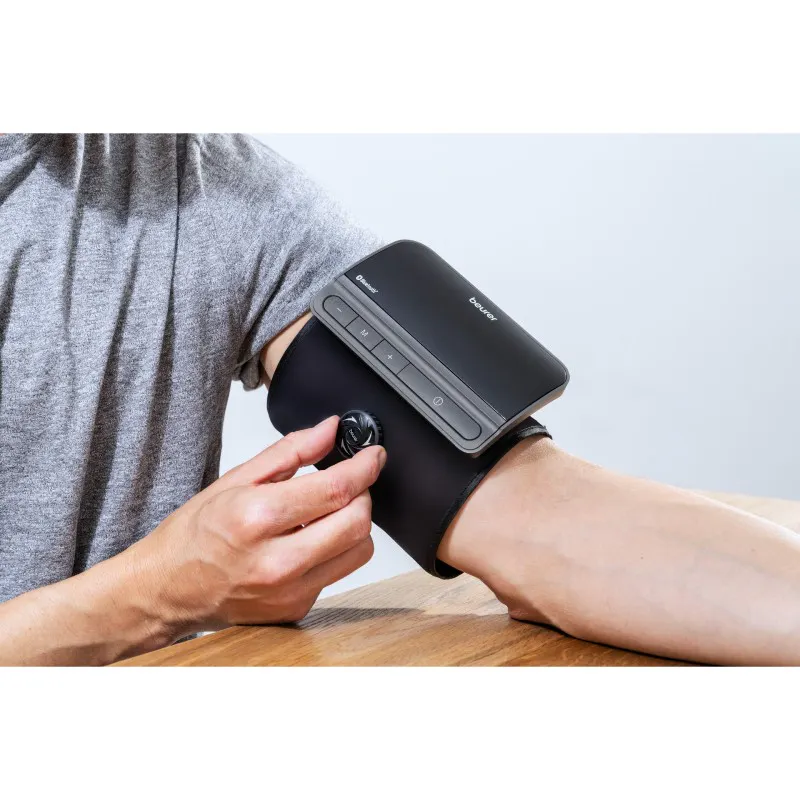
What is high blood pressure?
Blood pressure measures two things: the pressure in your arteries when your heart beats (systolic, the top number) and the pressure between beats when your heart is at rest (diastolic, the bottom number). Both numbers matter.
When this pressure is consistently high, your heart has to work harder than it should. Over time, that sustained strain damages artery walls, reduces their elasticity, and increases the risk of serious events including stroke, heart attack, and kidney disease.
The condition is classified into stages depending on how high the reading is and how it is measured — in a clinic, at home, or over 24 hours with a monitor.
Key point: High blood pressure is not a disease you can feel. Most people with stage 1 or stage 2 hypertension have no symptoms at all, which is why the only reliable way to know your blood pressure is to measure it.
How common is hypertension in the UK?
Hypertension is one of the most common long-term conditions in the UK. According to Blood Pressure UK, around one in three adults — approximately 14 million people in England — have high blood pressure. Of those, an estimated half do not know they have it.
The British Heart Foundation identifies high blood pressure as the single biggest modifiable risk factor for stroke, and a major contributing factor to heart attacks, heart failure, and chronic kidney disease. The NHS Long Term Plan identifies improving hypertension detection and management as a key priority.
Understanding your blood pressure reading
Blood pressure is recorded as two numbers separated by a slash — for example, 130/85 mmHg. The first number is your systolic pressure; the second is your diastolic. Here is how NICE NG136 categorises clinic readings:
| Category | Clinic (systolic/diastolic) | Home or ABPM average |
|---|---|---|
| Optimal | Below 120/80 mmHg | Below 120/80 mmHg |
| Normal | 120–129 / 80–84 mmHg | — |
| High normal | 130–139 / 85–89 mmHg | — |
| Stage 1 hypertension | 140–159 / 90–99 mmHg | 135–149 / 85–94 mmHg |
| Stage 2 hypertension | 160–179 / 100–119 mmHg | 150–179 / 95–119 mmHg |
| Stage 3 / severe | 180/120 mmHg or above | 180/120 mmHg or above |
A single high clinic reading does not automatically mean you have hypertension. NICE NG136 recommends ambulatory blood pressure monitoring (ABPM) or home blood pressure monitoring (HBPM) to confirm any elevated clinic reading before treatment is started.
Causes and risk factors
In the vast majority of cases — around 90 to 95% — no single underlying cause is found. This is known as primary (essential) hypertension. The remaining 5 to 10% of cases are caused by an identifiable condition, referred to as secondary hypertension.
Primary hypertension risk factors
- Age — blood pressure tends to rise gradually as arteries stiffen over time
- Family history — hypertension runs in families; having a parent or sibling with it increases your risk
- Being overweight or obese — excess body weight increases cardiac workload and raises blood pressure
- High salt intake — the UK average salt intake exceeds the recommended maximum of 6g per day
- Physical inactivity — regular aerobic exercise helps keep blood pressure in a healthy range
- Alcohol — regularly drinking more than 14 units per week is associated with raised blood pressure
- Smoking — tobacco causes immediate and lasting rises in blood pressure and damages artery walls
- Stress — chronic psychological stress may contribute to sustained elevated readings
- Ethnicity — people of Black African or Caribbean descent have a higher risk of hypertension and are more likely to develop it at a younger age
Common causes of secondary hypertension
Kidney disease
Chronic kidney disease and renal artery stenosis are among the most common causes of secondary hypertension. The kidneys play a central role in blood pressure regulation through the renin-angiotensin system.
Hormonal disorders
Conditions including primary aldosteronism, Cushing’s syndrome, phaeochromocytoma, and thyroid disorders can all cause secondary hypertension that may improve with targeted treatment.
Obstructive sleep apnoea
Repeated drops in oxygen during sleep activate the sympathetic nervous system, raising blood pressure. Treating sleep apnoea can produce meaningful reductions in blood pressure in some patients.
Medicines
Several medicines can raise blood pressure, including NSAIDs (such as ibuprofen), combined oral contraceptives, decongestants, and some antidepressants. Always tell your doctor about all medicines you take.
Symptoms — why hypertension is called the silent killer
Most people with high blood pressure feel completely normal. This is why hypertension is so often diagnosed only incidentally — during a routine check or when something more serious has already occurred.
Headaches, nosebleeds, and flushed skin are sometimes associated with hypertension in the public imagination, but these are not reliable warning signs. People can have very high blood pressure for years without any symptoms at all.
When to seek urgent care: Headaches, blurred vision, nausea, or nosebleeds do not reliably indicate high blood pressure, but any of these symptoms alongside a reading above 180/120 mmHg warrants urgent assessment. Do not ignore them.
Call 999 immediately if you have a reading above 180/120 mmHg with chest pain, severe headache, shortness of breath, sudden vision changes, confusion, or weakness in the face, arm, or leg. These may signal a hypertensive emergency or stroke.
How high blood pressure is diagnosed
A single raised clinic reading is not sufficient to make a diagnosis. NICE NG136 requires confirmation before treatment begins, because many people experience transient rises in blood pressure when they are anxious or in a clinical environment — a phenomenon known as white coat hypertension.
Clinic measurement
A healthcare professional takes your blood pressure using a validated device. If the reading is 140/90 mmHg or above, the next step is to confirm this away from the clinical setting.
Ambulatory or home monitoring
ABPM (a cuff that takes readings over 24 hours) or HBPM (two readings morning and evening over 4–7 days) is used to confirm the diagnosis. ABPM is the preferred method under NICE NG136.
Cardiovascular risk assessment
If hypertension is confirmed, your GP will assess your overall cardiovascular risk using a QRISK3 score and order blood tests (kidney function, cholesterol, blood glucose) and a urine test for protein.
Treatment decision
Management depends on your stage of hypertension, your QRISK3 score, and any underlying conditions. Stage 1 with low cardiovascular risk may be managed with lifestyle changes alone initially; stage 2 almost always requires medication.
Treatment options in the UK
NICE NG136 sets out a stepped approach to treating hypertension. The goal is to bring blood pressure below 140/90 mmHg in clinic (or 135/85 mmHg at home) for most adults, and below 130/80 mmHg in people with established cardiovascular disease or diabetes.
Step 1 — first-line medicines
| Your profile | Recommended first-line drug class | Examples |
|---|---|---|
| Under 55, not Black African/Caribbean | ACE inhibitor or angiotensin receptor blocker (ARB) | Ramipril, lisinopril, candesartan, losartan |
| 55 or over, or Black African/Caribbean heritage | Calcium channel blocker (CCB) | Amlodipine, felodipine |
| With diabetes (any age) | ACE inhibitor or ARB | Ramipril, candesartan |
Step 2 — if one drug is not enough
If your blood pressure remains above target on a single medicine, NICE recommends combining an ACE inhibitor or ARB with a calcium channel blocker.
Step 3 — triple therapy
If two drugs are insufficient, a thiazide-like diuretic (such as indapamide or chlortalidone) is added to the ACE inhibitor/ARB and CCB combination.
Step 4 — resistant hypertension
Blood pressure that remains above target despite three medicines at optimal doses is called resistant hypertension. NICE recommends checking for non-adherence and secondary causes before considering low-dose spironolactone, a higher-dose thiazide-like diuretic, an alpha-blocker, or a beta-blocker. Specialist referral is appropriate at this stage.
Key point: All antihypertensive medicines are prescription-only. A clinical assessment is required before any medication is started, adjusted, or switched. Never stop blood pressure medication without speaking to your GP first.
Lifestyle changes that lower blood pressure
For people with high-normal blood pressure or stage 1 hypertension at low cardiovascular risk, lifestyle changes are the first line of management. Even when medication is needed, lifestyle changes enhance its effect and may reduce the dose required.
- Reduce salt intake — aim for no more than 6g per day (roughly a teaspoon). Reducing dietary salt can lower systolic blood pressure by 5–6 mmHg in people who are salt-sensitive
- Eat a DASH-style diet — rich in fruit, vegetables, wholegrains, and low-fat dairy; low in saturated fat and red meat. Clinical trials show meaningful blood pressure reductions with the DASH diet
- Get regular aerobic exercise — NICE recommends at least 150 minutes of moderate-intensity activity per week. Regular exercise can lower systolic blood pressure by around 5 mmHg
- Reduce alcohol — keeping within the UK recommended limit of 14 units per week and avoiding binge drinking can produce measurable blood pressure reductions
- Stop smoking — while smoking’s direct effect on resting blood pressure is debated, it dramatically increases cardiovascular risk at any blood pressure level and should always be addressed
- Manage body weight — even modest weight loss of 5–10% of body weight can produce clinically meaningful reductions in blood pressure
- Manage stress — relaxation techniques, adequate sleep, and addressing sources of chronic stress may help; evidence for specific stress-reduction interventions is mixed
Complications of untreated hypertension
Left unmanaged over months or years, high blood pressure silently damages blood vessels throughout the body. The consequences can be severe and often irreversible.
Stroke
High blood pressure is the leading modifiable risk factor for both ischaemic (clot-related) and haemorrhagic (bleed) stroke in the UK. Effective blood pressure control is the single most powerful intervention for stroke prevention.
Heart attack
Sustained hypertension accelerates atherosclerosis — the build-up of fatty plaques in coronary arteries — increasing the risk of heart attack. It also causes the heart muscle to thicken (left ventricular hypertrophy), impairing cardiac function.
Heart failure
Chronically elevated blood pressure forces the heart to work harder over many years. Eventually this can weaken or stiffen the heart muscle, leading to heart failure — where the heart cannot pump efficiently enough to meet the body’s needs.
Kidney disease
High blood pressure damages the delicate blood vessels in the kidneys, reducing their ability to filter waste. Hypertension is both a cause and a consequence of chronic kidney disease, creating a cycle that requires careful medical management.
When to seek urgent help
Call 999 immediately if your blood pressure reads 180/120 mmHg or above and you experience any of the following: chest pain, severe headache, sudden blurred or double vision, difficulty breathing, sudden weakness or numbness in the face, arm or leg, or confusion. This is a possible hypertensive emergency or stroke.
Call 111 or contact your GP urgently if you measure a reading above 180/120 mmHg and feel well, or if your blood pressure is consistently above 160/100 mmHg and you are not yet receiving treatment. Do not ignore persistently high readings even when you feel fine.
Frequently Asked Questions
What is high blood pressure?
High blood pressure (hypertension) is when the pressure of blood against your artery walls is persistently elevated. NICE defines it as a clinic reading of 140/90 mmHg or above, confirmed by home or ambulatory monitoring. It affects around one in three adults in the UK and usually causes no symptoms.
What is a normal blood pressure reading?
A normal blood pressure reading is below 130/85 mmHg, with optimal being below 120/80 mmHg. Readings consistently at or above 140/90 mmHg in clinic — or 135/85 mmHg at home — meet NICE NG136 criteria for stage 1 hypertension and warrant further assessment.
What causes high blood pressure?
In 90–95% of cases no single cause is found (primary hypertension). Key risk factors include older age, family history, being overweight, a high-salt diet, low physical activity, and excessive alcohol consumption. In 5–10% of cases an underlying condition such as kidney disease or a hormonal disorder is responsible.
What are the symptoms of high blood pressure?
Most people with high blood pressure have no symptoms at all. Headaches, nosebleeds, and blurred vision are sometimes associated with very high readings, but are not reliable indicators. The only way to know your blood pressure is to have it measured. A reading above 180/120 mmHg with symptoms such as chest pain or vision changes is a medical emergency — call 999.
How is high blood pressure diagnosed in the UK?
NICE NG136 recommends confirming any raised clinic reading with ambulatory blood pressure monitoring (ABPM) — a cuff that takes readings over 24 hours — or home blood pressure monitoring over 4–7 days. Stage 1 hypertension is confirmed by an average ABPM or home reading of 135/85 mmHg or above.
What is the first-line treatment for high blood pressure in the UK?
NICE NG136 recommends an ACE inhibitor or ARB for adults under 55 without Black African or Caribbean heritage, and a calcium channel blocker for those aged 55 and over or of Black African or Caribbean origin. Lifestyle changes — including a low-salt diet and regular exercise — are recommended alongside all drug treatment.
Can high blood pressure be cured?
Primary hypertension cannot usually be cured, but it can be effectively managed with medication and lifestyle changes. Some people are able to reduce or stop medication after sustained lifestyle changes — but only under medical supervision. Never stop blood pressure medication without speaking to your GP first.
When should I go to A&E for high blood pressure?
Call 999 or go to A&E immediately if your blood pressure reads 180/120 mmHg or above and you have severe headache, chest pain, shortness of breath, sudden vision changes, confusion, or weakness in the face, arm, or leg. If the reading is above 180/120 mmHg but you feel well, call 111 or contact your GP urgently.
References
- NICE. Hypertension in adults: diagnosis and management (NG136). Updated August 2023. nice.org.uk/guidance/ng136
- NHS. High blood pressure (hypertension). nhs.uk/conditions/high-blood-pressure-hypertension
- Blood Pressure UK. Blood pressure facts and figures. bloodpressureuk.org
- British Heart Foundation. High blood pressure. bhf.org.uk
- NICE. Cardiovascular disease: risk assessment and reduction, including lipid modification (CG181). Updated 2023. nice.org.uk/guidance/cg181
Medical disclaimer: This article is for informational purposes only and does not constitute medical advice. Always consult a qualified healthcare professional for diagnosis and treatment of high blood pressure. Antihypertensive medicines are prescription-only — a clinical consultation is required before they can be dispensed. Never stop prescribed blood pressure medication without first speaking to your GP. In a medical emergency, call 999.