


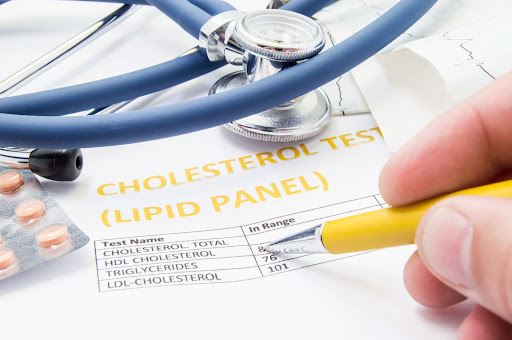
Despite often being associated with overweight men above a certain age, raised cholesterol levels can be caused by a range of different things, from lifestyle choices to genetics, meaning anyone can suffer from high cholesterol, regardless of age, gender, diet, and activity level.
Unfortunately, raised levels of cholesterol is common and in many cases, it doesn’t cause any obvious symptoms.
With this in mind, it’s important that everyone is aware of exactly what high cholesterol is and understands what warning signs they should be looking out for and what cholesterol medications are available to help lower your levels if required.
High Cholesterol · Atherosclerosis · Cardiovascular Risk
What Is High Cholesterol? Causes, Risks, and Symptoms Explained
Medically authored & reviewed by
Dr Abdishakur M Ali
General Practitioner · Telehealth Expert · Clinical Director
Last reviewed: March 2026
GPhC Registered Pharmacy
✓ GPhC-registered pharmacy #9011198·✓ Pharmacist independent prescribers·✓ Discreet next-day delivery·✓ UK-regulated online consultation
Medical disclaimer: This article is for informational purposes only. Our prescribers are GPhC-registered pharmacist independent prescribers.
Too much cholesterol in the blood — particularly LDL cholesterol — can silently lead to arterial disease, heart attacks, and strokes. Despite being extremely common in the UK, high cholesterol typically causes no symptoms until serious cardiovascular damage has occurred. Understanding what high cholesterol is, what causes it, and when to seek treatment is essential for protecting your long-term cardiovascular health.
Get Cholesterol Treatment Online
Access Doctor provides prescription statins and cholesterol treatments following a GPhC-regulated online consultation. Pharmacist independent prescribers.
Start Consultation →✓ GPhC-registered pharmacy #9011198 ✓ Pharmacist independent prescribers ✓ Discreet next-day deliveryWhat Is Cholesterol and Why Does It Matter?
Cholesterol is a waxy, fat-like substance found in every cell of the human body. It is essential for making hormones, bile acids (for fat digestion), and cell membranes. Your liver produces the majority of the cholesterol your body needs, with the rest coming from your diet.
There are two main types of cholesterol — the key difference lies in how they are transported through the blood:
| Type | Full Name | Role | Effect on Heart Disease |
|---|---|---|---|
| LDL cholesterol | Low-density lipoprotein | Carries cholesterol from liver to body cells | High levels deposit in artery walls — increases heart disease risk |
| HDL cholesterol | High-density lipoprotein | Carries excess cholesterol back to the liver for removal | High levels are protective — reduces heart disease risk |
| Triglycerides | — | A type of blood fat that provides energy | High levels combined with low HDL increase cardiovascular risk |
What Does High Cholesterol Mean and Why Is It Dangerous?
When LDL cholesterol is elevated, it gradually deposits in the walls of arteries, forming fatty plaques — a process called atherosclerosis. Over years, these plaques harden and thicken, narrowing the arterial lumen and restricting blood flow. If a plaque ruptures, it can trigger a blood clot that completely blocks an artery — causing a heart attack (if in a coronary artery) or a stroke (if in a cerebral artery).
Seek urgent medical attention if you experience chest pain, severe headache, sudden weakness or numbness in the face or limbs, sudden difficulty speaking, or sudden loss of vision. These may be signs of a heart attack or stroke — both of which can be a consequence of long-term high cholesterol.
High Cholesterol Levels: UK Targets
| Measure | Ideal Level | High Risk Threshold |
|---|---|---|
| Total cholesterol | Below 5 mmol/L | Above 6.2 mmol/L |
| LDL cholesterol | Below 3 mmol/L (below 2 mmol/L if high risk) | Above 4 mmol/L |
| HDL cholesterol | Above 1.0 (men) / 1.2 (women) mmol/L | Below 1.0 mmol/L |
| Total:HDL ratio | Below 4 | Above 6 |
| Triglycerides | Below 1.7 mmol/L (fasting) | Above 5.6 mmol/L |
Warning Signs and Related Symptoms
High cholesterol itself has no direct symptoms. However, the cardiovascular damage it causes over time can produce warning signs including:
- Chest pain or tightness (angina) — reduced blood flow to the heart muscle
- Shortness of breath on exertion
- Leg pain when walking (claudication) — peripheral arterial disease
- Transient ischaemic attack (TIA or “mini-stroke”) — temporary neurological symptoms
- Erectile dysfunction in men — an early marker of vascular disease
For information on causes, see our article on what causes high cholesterol. For medication options, see Access Doctor medications for high cholesterol.
More High Cholesterol Guides from Access Doctor
Check Your Options at Access Doctor
GPhC-registered online pharmacy providing prescription cholesterol treatments. Pharmacist independent prescribers. Discreet delivery.
View Cholesterol Treatments →✓ GPhC-registered pharmacy #9011198 ✓ Pharmacist independent prescribers ✓ Discreet next-day deliveryFrequently Asked Questions
What is high cholesterol?
High cholesterol (hypercholesterolaemia) means there is too much cholesterol — particularly low-density lipoprotein (LDL) cholesterol — circulating in your blood. Excess LDL deposits in artery walls, forming fatty plaques (atherosclerosis) that narrow arteries, restrict blood flow, and dramatically increase the risk of heart attack and stroke.
What is a normal cholesterol level in the UK?
In the UK, total cholesterol should ideally be below 5 mmol/L. LDL (‘bad’) cholesterol should be below 3 mmol/L (below 2 mmol/L for high-risk individuals). HDL (‘good’) cholesterol should be above 1 mmol/L for men and above 1.2 mmol/L for women. A total cholesterol to HDL ratio below 4 is generally considered healthy.
Does high cholesterol cause any symptoms?
High cholesterol typically causes no symptoms until it triggers a cardiovascular event such as a heart attack or stroke. This is why it is called a ‘silent’ condition. The only way to know your cholesterol levels is through a blood test. Warning signs of high cholesterol-related conditions include chest pain, breathlessness, and numbness or weakness in limbs.
Who is most at risk of high cholesterol?
Risk factors include: family history of high cholesterol or early cardiovascular disease (familial hypercholesterolaemia), obesity, type 2 diabetes, a diet high in saturated fat, physical inactivity, excessive alcohol consumption, smoking, and older age. Anyone can develop high cholesterol regardless of age, gender, or apparent health.
How is high cholesterol diagnosed?
High cholesterol is diagnosed through a simple blood test measuring total cholesterol, LDL cholesterol, HDL cholesterol, and triglycerides. Your GP can arrange this, or you can access lipid testing through some online services. NICE recommends cholesterol testing for anyone with cardiovascular risk factors or a family history of heart disease.
References
- NICE. Cardiovascular disease: risk assessment and reduction (CG181). Updated 2023. nice.org.uk/guidance/cg181
- NHS. High cholesterol. nhs.uk/conditions/high-cholesterol
- GPhC. Standards for registered pharmacies. pharmacyregulation.org
Access Doctor is a GPhC-registered online pharmacy (registration number 9011198). All prescriptions are issued by GPhC-registered pharmacist independent prescribers. Medicines are MHRA-compliant UK-licensed products.