

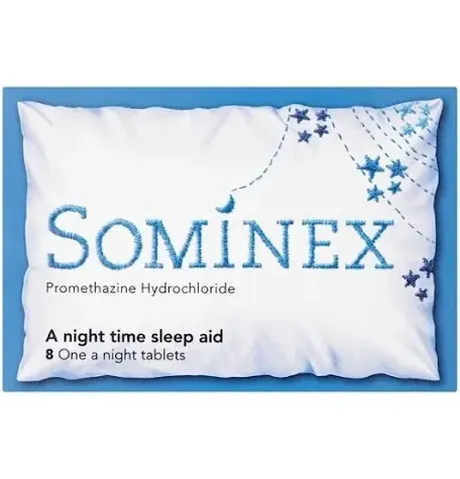
Sominex 20mg Tablets
From £4.99

Our friendly team is available to help Monday to Friday 9:00am – 5:00pm.
If you need urgent assistance, do not use this service. Call 111, or in an emergency call 999.

Insomnia means having trouble falling asleep, staying asleep, or waking too early - often enough that it starts to affect how you feel and function during the day. Access Doctor offers treatments for sleep problems that do not cause addiction or dependence. We do not supply sleeping pills such as zopiclone, zolpidem or diazepam.
Insomnia is difficulty getting to sleep or staying asleep, even when you have the time and the right conditions to sleep. Most people have the odd bad night. Insomnia is when it happens often enough to leave you tired, irritable or unable to concentrate the next day.
Doctors usually split it into two types, and the difference matters because it changes what actually helps. Short-term insomnia lasts less than three months and often has an obvious trigger - stress, a bereavement, a new baby, shift work, jet lag or an illness - and it usually settles once the trigger passes. Long-term insomnia means poor sleep on three or more nights a week for three months or longer, with a real impact on your daytime life. That type responds best to a talking therapy called cognitive behavioural therapy for insomnia (CBT-I), rather than to medication.
Sleep needs vary. Somewhere between seven and nine hours suits most adults, but some people function perfectly well on less. What matters is not the number on the clock, but whether you feel rested and able to get through your day.
Every option we offer for sleep is chosen because it does not carry a recognised risk of addiction or physical dependence. A prescriber will confirm what is suitable for you after reviewing your answers, and whatever you are offered works best alongside good sleep habits rather than instead of them.


| Treatment | Best for | How long you can use it | Dependence risk |
|---|---|---|---|
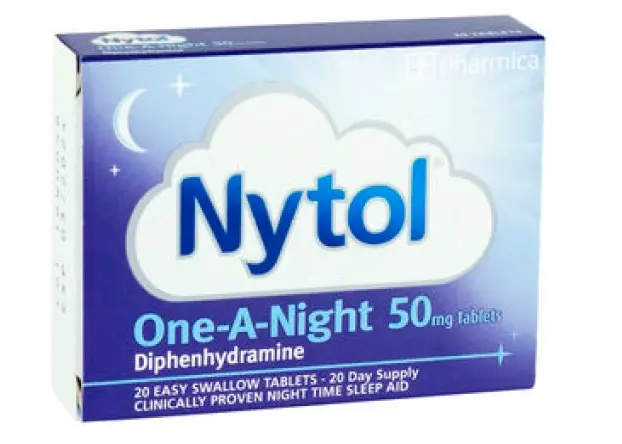
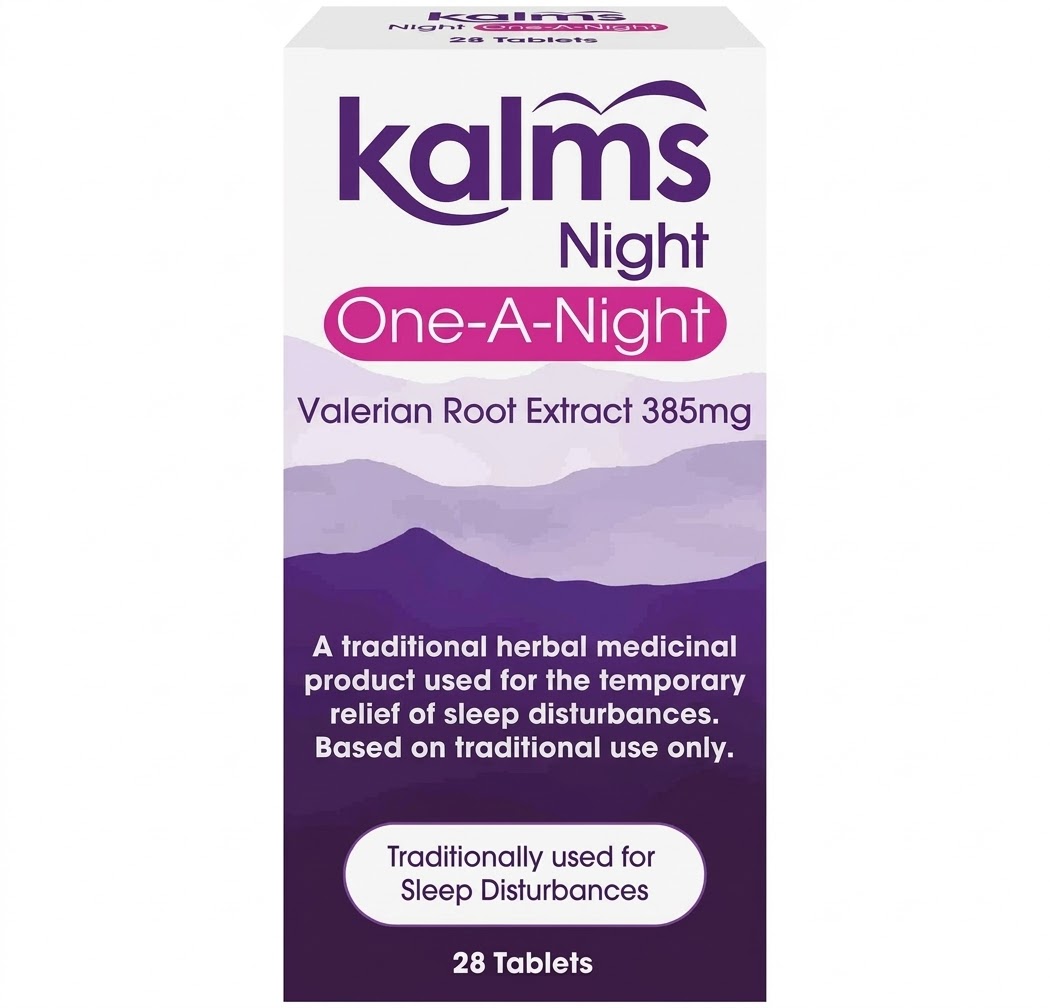
| Valerian root 385mg (Kalms Night, Nytol Herbal) | Mild, occasional sleep disturbance, or a preference for a herbal option | Up to 4 weeks | None recognised |
| Diphenhydramine 25-50mg (Nytol) | Short-term sleep disturbance in adults under 65 | Up to 7 days | Not addictive, but tolerance builds within days to weeks |
| Promethazine 20-25mg (Sominex, Phenergan Night-time) | Short-term use where diphenhydramine has not suited you | Up to 7 days | Not addictive, but tolerance builds; more next-morning drowsiness |
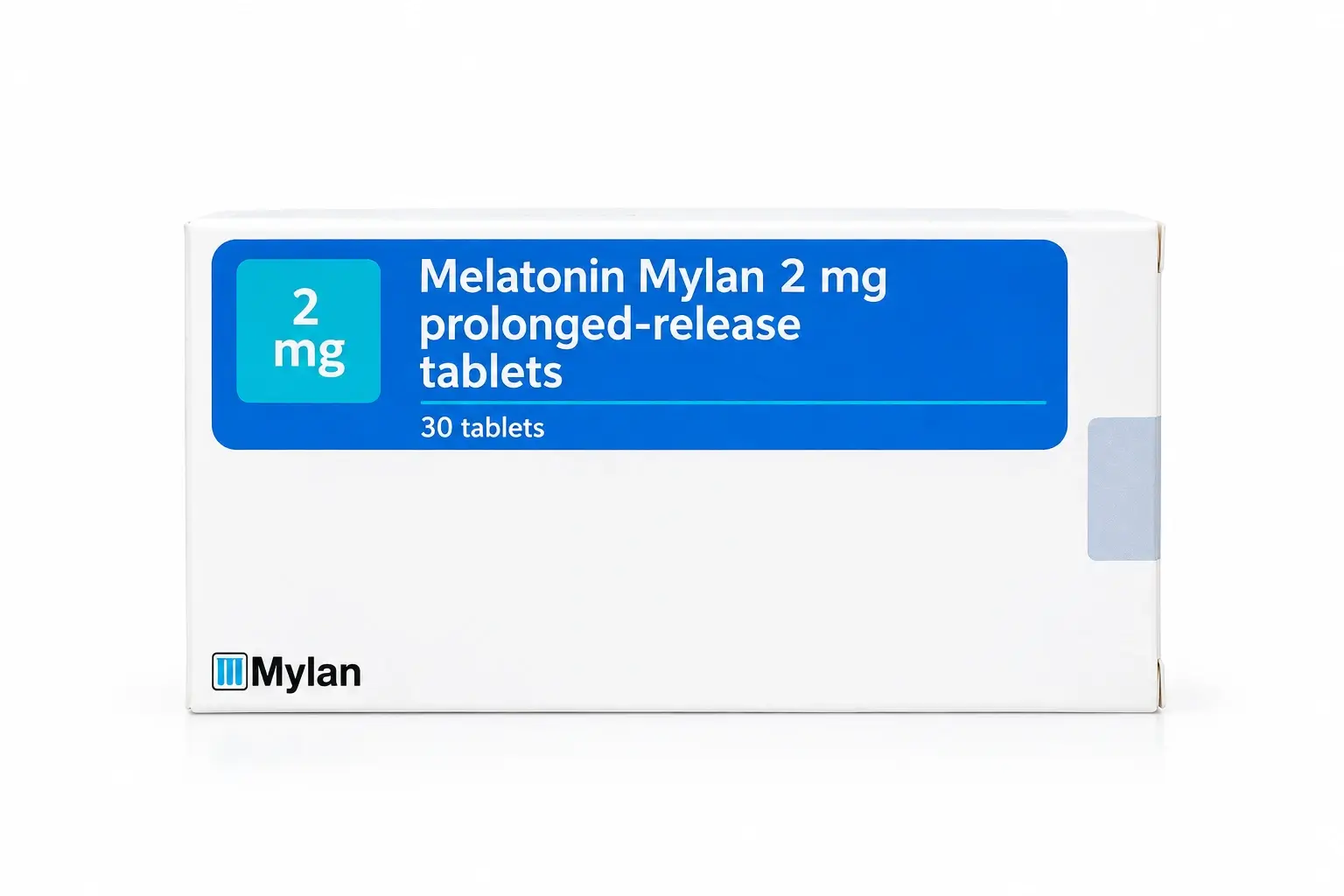
| Melatonin prolonged-release 2mg | Adults 55 and over with poor sleep quality; often preferred in older adults | 4 weeks, then reviewed, up to 13 weeks in total | None recognised |
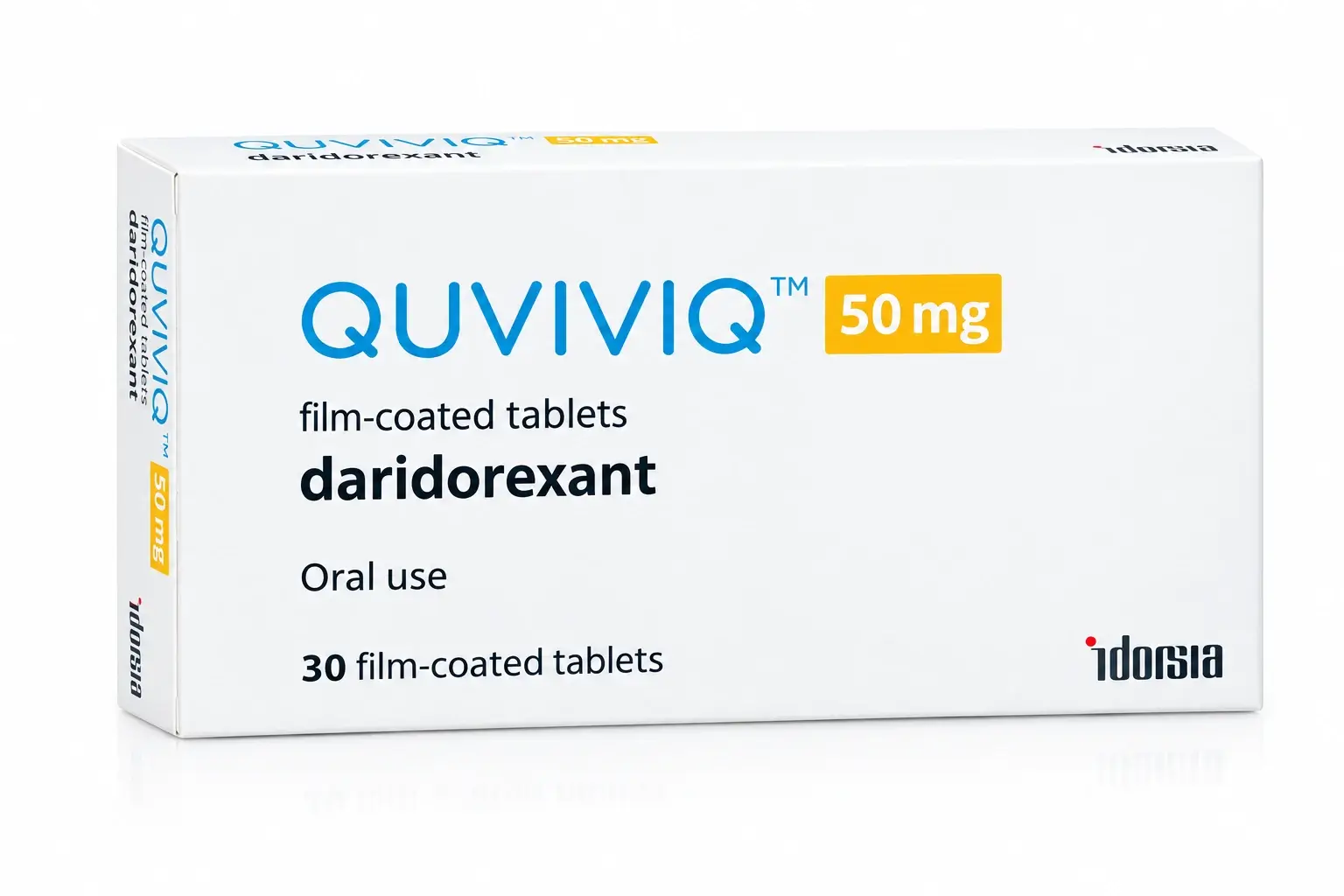
| Daridorexant (Quviviq) | Long-term insomnia of 3 months or more, after CBT-I has been tried | Reviewed at 4 weeks and again within 3 months | Not a controlled drug; no evidence of dependence or withdrawal |
| Zopiclone, zolpidem, temazepam, diazepam | Not supplied by Access Doctor - speak to your GP | Not applicable | Recognised risk of tolerance, dependence and withdrawal |
Not sure which option is right for you?
Online treatment is not right for everyone. Please see a GP, or seek urgent care, rather than ordering a sleep aid if any of the following apply to you:
Access Doctor does not prescribe or sell zopiclone, zolpidem, temazepam, nitrazepam, diazepam or any other controlled sleeping tablet. This is a deliberate decision, not a gap in our range. These medicines cause tolerance, physical dependence and withdrawal, which is why they are controlled drugs, and they are not well suited to being prescribed remotely without ongoing review by someone who knows your full history.
We also do not supply antidepressants such as amitriptyline, mirtazapine or trazodone, or antipsychotics such as quetiapine, as sleep treatments. These are not controlled drugs, and the reason is different: using them for sleep is outside their licence and needs a diagnosis and ongoing monitoring that a remote sleep service cannot provide.
If you are already taking one of these medicines, keep taking it as prescribed and speak to the GP or clinician who started it. Stopping a sleeping tablet suddenly can be unsafe, and any reduction should be planned with them.
These cover the questions we are asked most often about sleep problems, what we can treat, and what we cannot.
No. Everything we offer for sleep is chosen specifically because it does not cause physical dependence or addiction. That said, the sedating antihistamines in Nytol and Sominex do cause tolerance - your body gets used to them within days and they stop working as well. That is why they are licensed for short-term use only, and why we will ask you to have a proper reassessment rather than simply reordering.
No. We do not supply zopiclone, zolpidem, temazepam, diazepam or any other controlled sleeping tablet, under any circumstances, even if you have been prescribed one before. These medicines carry a real risk of dependence and need ongoing face-to-face review. If you are already taking one, speak to the clinician who prescribed it.
Yes, melatonin is a prescription-only medicine in the UK. Complete the online questionnaire and a GPhC-registered prescriber will review your answers. The prolonged-release 2mg tablet is licensed for adults aged 55 and over. If you are under 55, a prescriber may still consider it, but that is use outside the UK licence and will only happen where there is a clear clinical reason, with your informed agreement recorded.
Daridorexant (Quviviq) is a prescription-only medicine. It is licensed for long-term insomnia only - poor sleep on at least three nights a week for three months or more, with a considerable impact on your day. NICE guidance also expects CBT-I to have been tried first, or to be unavailable or unsuitable for you. If you meet those criteria, complete the questionnaire and a prescriber will assess whether it is appropriate. We will ask for your consent to inform your GP.
It depends which one. Valerian-based products: up to four weeks. Nytol (diphenhydramine): up to seven days. Sominex and Phenergan Night-time (promethazine): up to seven days. Melatonin prolonged-release: four weeks to begin with, then further supply after a review, up to 13 weeks in total. Daridorexant is reviewed at four weeks and again within three months. If you find yourself needing something every night on an ongoing basis, the honest answer is that the medication has stopped being the right tool and you need a proper assessment instead.
It can. All of these treatments cause drowsiness, which is the point, but it does not always switch off neatly in the morning. Promethazine is the most likely to leave you groggy because it lasts longest. With daridorexant, take it at least seven hours before you plan to wake, and allow at least nine hours after the dose before driving - so for most people there is a short gap after getting up. Do not drive or use machinery if you feel affected, and avoid alcohol completely while taking any of them.
We do not supply these treatments in pregnancy or while breastfeeding. Melatonin, daridorexant and the sedating antihistamines are all not recommended, and safety data for valerian in pregnancy is lacking. Please speak to your GP or midwife, who can advise on what is safe for you.
Because obstructive sleep apnoea is common, frequently undiagnosed, and often mistaken for ordinary insomnia. It causes you to stop breathing briefly and repeatedly during the night. Sedating medicines can make it worse, and treating the sleep apnoea itself usually fixes the tiredness. If your answers suggest it, we will decline treatment and point you towards a proper sleep assessment. That is us doing our job, not being obstructive.
No. Our service is for adults aged 18 and over. Sleep problems in children and young people need a different kind of assessment - please speak to your GP.
With your consent, yes - and for daridorexant we will strongly encourage it, because it is a long-term treatment your GP should know about. For short courses of a pharmacy medicine, informing your GP is optional, but we would still recommend it if you have ongoing health conditions or take regular medication.
Helpful reads related to this treatment area.
Answer a few questions about your sleep and your health. A UK prescriber will review them and tell you what, if anything, is suitable for you. There is no charge for the consultation, and no obligation to buy.