

Warm, damp feet
Sweaty feet, enclosed shoes worn for long periods, and not drying properly between the toes all create the conditions fungi need.

Our friendly team is available to help Monday to Friday 9:00am – 5:00pm.
If you need urgent assistance, do not use this service. Call 111, or in an emergency call 999.

Athlete's foot (tinea pedis) is a common fungal skin infection that causes itchy, cracked or peeling skin, usually between the toes. Most cases clear up with an antifungal cream, spray or powder, as long as it's used for the full course. Complete a short online consultation and our pharmacy team will check which treatment is suitable for you, and whether anything needs to be looked at in person.
Athlete's foot, known medically as tinea pedis, is a fungal infection of the skin on the feet. It's caused by dermatophytes, a group of fungi that live on the outer layer of the skin and thrive in warm, damp places such as the spaces between the toes, sweaty trainers, and communal showers and changing rooms.
It's one of the most common skin infections in the UK, and it isn't a sign of poor hygiene. Anyone can get it, not just people who play sport. It usually clears with the right antifungal treatment, but if it's left untreated it can spread to the toenails, the soles of the feet, the hands or the groin. You can read more about the different patterns and how it spreads in our complete athlete's foot guide.
Athlete's foot usually starts between the fourth and fifth toes, but it can affect any part of the foot. The most common signs are:
Usually between the toes or on the soles, and often worse after taking off shoes and socks.
The skin can look moist and white, then peel or split, which may feel sore.
This can spread across the sole and up the sides of the foot in a 'moccasin' pattern. On darker skin, redness may look purple, grey or darker brown rather than pink.
Fluid-filled blisters can appear on the instep or sole, and may burst and weep.
Eczema and contact dermatitis can look very similar, and treating the wrong condition for weeks won't help.
Is it athlete's foot?The fungi that cause athlete's foot need warmth and moisture to grow. These things make an infection more likely:
Sweaty feet, enclosed shoes worn for long periods, and not drying properly between the toes all create the conditions fungi need.
Swimming pools, gym changing rooms and shared showers are common places to pick up the fungus from the floor.
Fungal spores can survive on fabrics and footwear and pass easily between people in the same household.
Diabetes, poor circulation and a weakened immune system all raise the risk and can make the infection harder to clear.
Most athlete's foot clears with an antifungal cream, spray or powder applied directly to the skin. Our pharmacy team will help you choose a suitable option based on where the infection is, how widespread it is, and your medical history. Whichever treatment you use, keep applying it for about 7 days after the skin looks clear, because stopping early is the most common reason it comes back. For a closer look at how the options compare, read our guide to athlete's foot treatments compared.
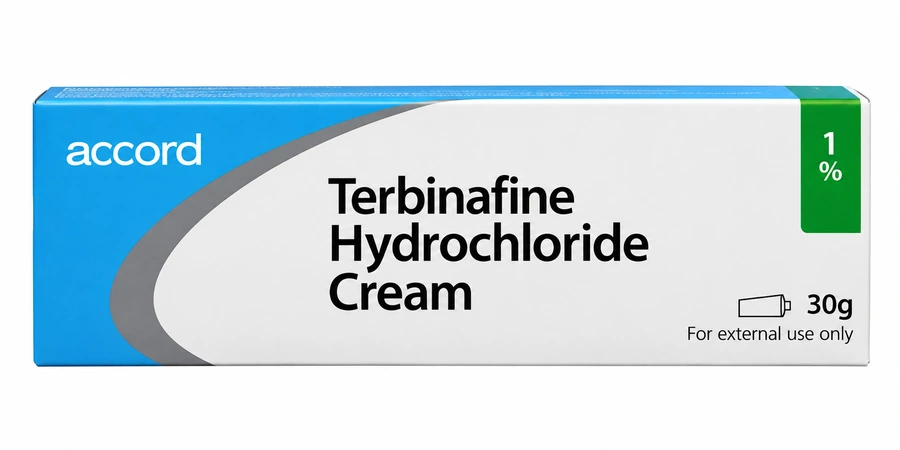
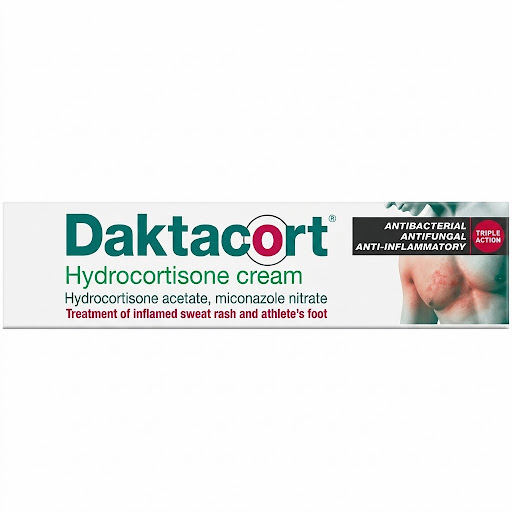
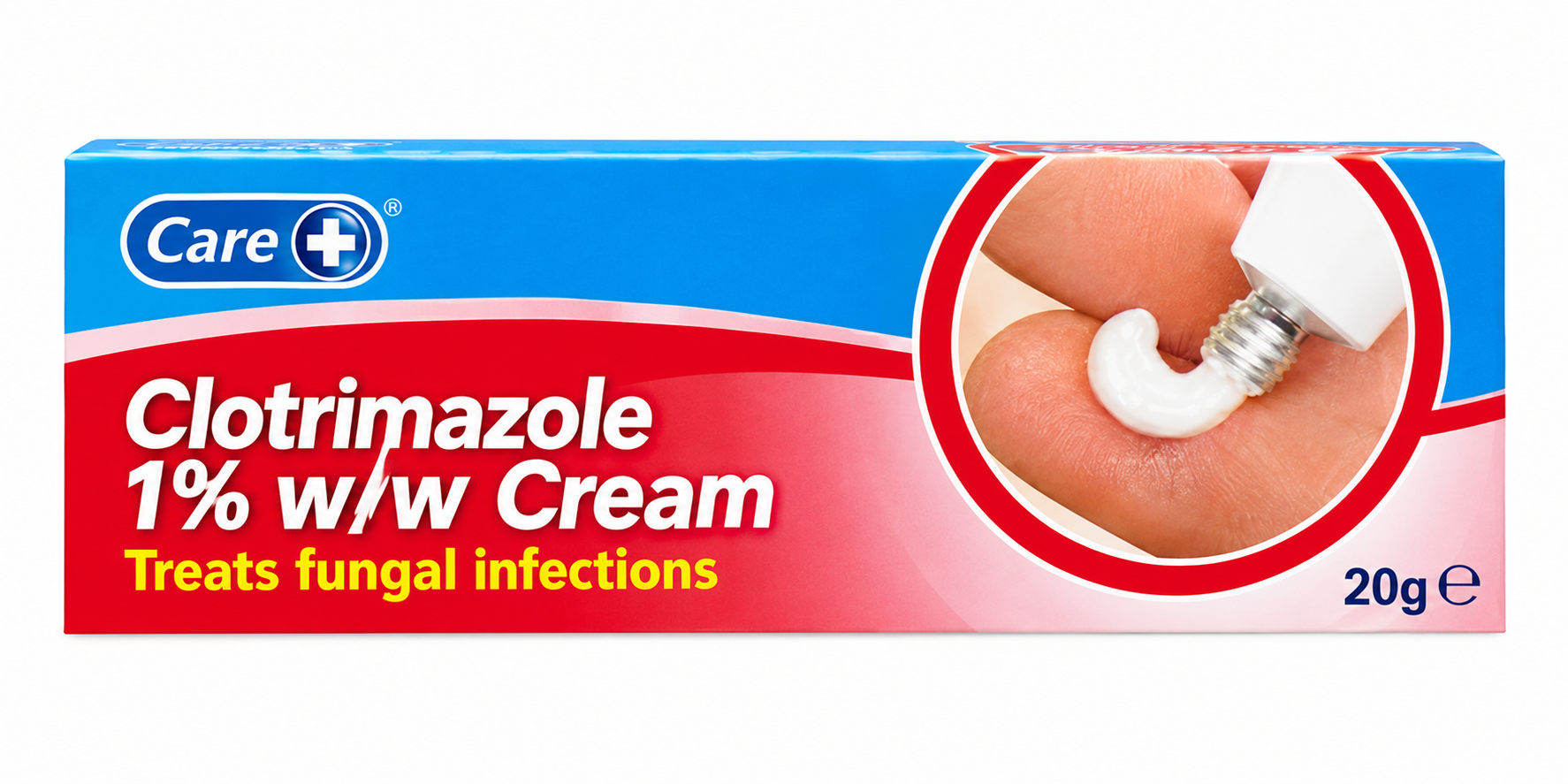
| Treatment | Best for | How it works | Typical course |
|---|---|---|---|
| Terbinafine 1% cream | Most cases of athlete's foot between the toes | Kills the fungus | 1 to 2 weeks, applied once or twice a day |
| Clotrimazole or miconazole cream | Mild infections, and people who can't use terbinafine | Stops the fungus multiplying while the skin renews | At least 4 weeks, usually twice a day |
| Antifungal powder or spray | Keeping skin dry and treating the inside of shoes | Reduces moisture and fungus on skin and footwear | Alongside a cream, not instead of one |
| Antifungal tablets | Widespread, stubborn or nail infections | Treats the infection from inside the body | Prescription only, after a clinical assessment |
Not sure which treatment is right for you?
Athlete's foot often returns if the fungus is still in your shoes, socks or toenails. These simple habits help, both during treatment and afterwards:
Especially between the toes. Dry your feet last and use a separate towel for them.
Choose cotton socks and wash them at a high temperature.
Avoid wearing the same pair two or three days in a row so each pair can dry out fully, and use an antifungal powder or spray inside them.
Wear flip-flops or sliders in communal showers, pools and changing rooms.
Keep your own and wash towels regularly. Wash your hands after touching the rash.
Hydrocortisone on its own can make a fungal rash look better while the infection spreads. Only use it alongside an antifungal, and only if advised.
Athlete's foot is usually mild, but some situations need an in-person assessment rather than self-treatment. Speak to your GP or call 111 if:
Explore our pharmacist-reviewed guides for more detail on symptoms, treatment and prevention.
The different patterns of athlete's foot, how it spreads, and how to prevent it.
Read guideTerbinafine versus clotrimazole, how long to use each, and why stopping early fails.
Read guideHow to tell athlete's foot apart from eczema and contact dermatitis before you start treating.
Read guideHow a foot infection can travel to the groin or body, and how to stop it.
Read guideWhy untreated nails keep reinfecting the skin, and what to do about it.
Read guideClear answers to common questions about athlete's foot, how it's treated, and how to stop it coming back. If your question isn't covered here, our pharmacy team is happy to help.
Athlete's foot (tinea pedis) is a common fungal infection of the skin on the feet. It usually starts between the toes and causes itching, cracking, peeling or scaly skin. It's caused by fungi that thrive in warm, damp conditions, and you don't have to play sport to get it.
The most common sign is white, soggy or cracked skin between the toes, often with itching or stinging. It can also cause dry, scaly skin across the sole and sides of the foot, or small fluid-filled blisters. On darker skin, the affected area may look purple, grey or darker brown rather than red. Eczema and contact dermatitis can look similar, so if you're unsure, our pharmacy team can help.
Yes. It spreads through direct contact with the fungus, most often from damp floors in changing rooms and communal showers, or from shared towels, socks and shoes. It can also spread from your feet to other parts of your body, such as your hands or groin, so wash your hands after touching the affected skin.
With the right treatment, most people see an improvement within a week or two. Terbinafine cream is usually used for 1 to 2 weeks, while clotrimazole and miconazole creams need at least 4 weeks. Whatever you use, keep applying it for about 7 days after the skin looks normal, because the fungus can still be present after the symptoms settle.
Most cases respond well to an antifungal cream, spray or powder. Terbinafine kills the fungus, so the course is shorter. Clotrimazole and miconazole stop the fungus multiplying, so they take longer but work well when used for the full course. The right choice depends on where the infection is, how widespread it is, and your medical history, which is what our pharmacy team checks during your consultation.
Not on its own. A steroid cream such as hydrocortisone can make a fungal rash look better for a few days while the infection spreads underneath. If the skin is very inflamed, a pharmacist or prescriber may suggest a short course of hydrocortisone alongside an antifungal, but only on their advice.
The most common reason is stopping treatment as soon as the skin looks better. Other causes include a fungal nail infection that keeps reinfecting the skin, shoes and socks that still carry the fungus, and feet that stay damp for long periods. If it keeps returning despite a full course of treatment, speak to your GP.
Yes, footwear can hold the fungus and reinfect your feet. Use an antifungal powder or spray inside your shoes, avoid wearing the same pair two or three days in a row so they can dry out, and wear clean cotton socks every day, washed at a high temperature.
See your GP if there's no improvement after 2 weeks of pharmacy treatment, if it keeps coming back, or if it has spread to your nails, hands or other parts of your body. You should also see a GP if you have diabetes or a weakened immune system. Get help the same day, by calling 111 or your GP, if your foot becomes hot, swollen and painful, or if redness is spreading, as this may be a bacterial infection.
Complete a short online consultation telling us about your symptoms and medical history. Our GPhC-registered pharmacy team will review your answers and, if treatment is suitable, dispatch it in plain, discreet packaging. If anything suggests you need to be seen in person, we'll let you know.
Helpful reads related to this treatment area.
Start a short online consultation and our pharmacy team will check which antifungal treatment is suitable for you. If anything needs a closer look, we'll tell you when to see your GP instead.