

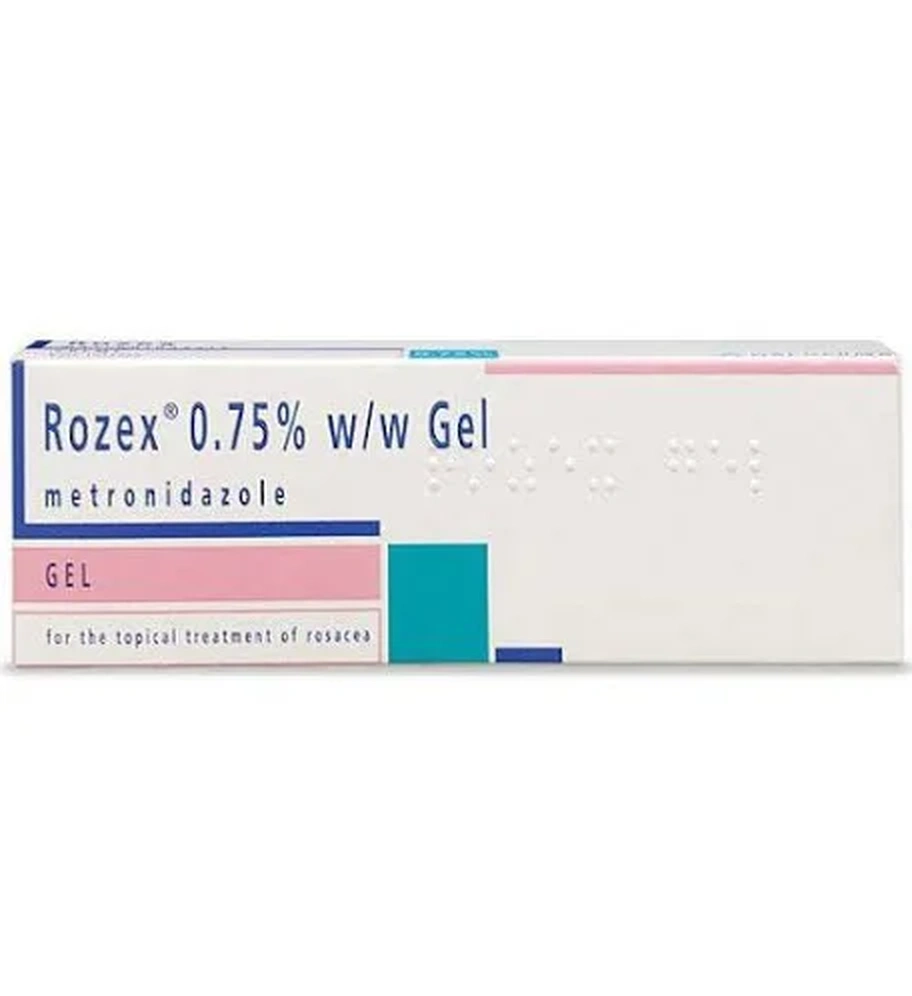
Metronidazole for Rosacea
From £14.99

Our friendly team is available to help Monday to Friday 9:00am – 5:00pm.
If you need urgent assistance, do not use this service. Call 111, or in an emergency call 999.

Rosacea causes facial redness, flushing and spots that come and go. It cannot be cured, but it can be controlled well. Complete a short online consultation, have it reviewed by a UK-registered clinician, and get your treatment delivered discreetly to your door.
Rosacea is a long-term skin condition that mainly affects the face. It usually begins with redness or flushing across the nose, cheeks, forehead and chin, and over time that redness can become more persistent rather than coming and going.
Many people also get small bumps and pus-filled spots that look like acne, along with visible tiny blood vessels, dry or gritty eyes, and skin that stings or burns when they use ordinary skincare. Thickened skin on the nose can develop after many years, although this is uncommon and affects men more often than women.
There is no cure, and rosacea is not caused by poor hygiene or by drinking too much. What helps is treating the flare-ups and working out your own triggers. The usual culprits are alcohol, spicy food, hot drinks, sunlight, hot or cold weather, hard exercise and stress, though they vary from person to person. Most people find rosacea becomes manageable once they have the right treatment and know what sets it off.
Compare the rosacea treatments our clinicians can prescribe. All of them are prescription-only, so a short consultation is needed first and a UK-registered clinician will confirm which one suits your skin. Select a treatment to start your free consultation.


Not sure which option is right for you?
A side-by-side look at the main options, so you know what to expect. Rosacea treatments are matched to the symptom that bothers you most: the spots and bumps need a different treatment from the redness and flushing. Your clinician will confirm the right one during your consultation.
An anti-inflammatory cream for the spots and bumps of rosacea (papulopustular rosacea). Applied once a day for up to 4 months. Best for: inflammatory spots and pustules. Treatment is stopped if there has been no improvement after 3 months. Prescription only, following clinician review.
Start your free consultationAn antibiotic applied to the skin for the inflamed papules, pustules and redness of rosacea. Applied thinly twice a day, usually for three to four months. Best for: mild to moderate spots. Strong sunlight and sunbeds should be avoided while using it. Prescription only, following clinician review.
Start your free consultationA gel that calms inflammation and clears the spots of papulopustular rosacea. Applied morning and evening. Best for: spots where an antibiotic is not wanted. Stinging or burning on application is common at first and usually settles. Prescription only, following clinician review.
Start your free consultationA gel that temporarily narrows the small blood vessels in the skin to reduce facial redness. Applied once a day; the effect wears off through the day, and it does not treat spots. Best for: persistent facial redness. In a small number of people the redness and flushing return more strongly than before, usually within the first two weeks. Prescription only, following clinician review.
Start your free consultationMost rosacea can be managed online, but some symptoms need to be looked at face to face.
Fact: Alcohol is a common trigger for flushing, but it does not cause rosacea. Plenty of people with rosacea drink little or nothing at all. The cause is not fully understood and involves the blood vessels, the immune system and, in some people, mites that live normally on the skin.
Fact: They can look similar, and the spots are sometimes called acne rosacea, but they are different conditions. Rosacea does not cause blackheads, and some acne treatments make rosacea worse, which is why it is worth getting the diagnosis right before treating it.
Fact: Scrubs, exfoliants, alcohol-based toners and hot water usually make rosacea worse. Skin affected by rosacea is sensitive. A gentle cleanser, a plain moisturiser and daily SPF 30 or higher do far more good.
Fact: Rosacea is long-term and tends to come back when treatment stops. Most treatments are used for months rather than days, and some people use them on and off for years to keep flare-ups under control.
Sunlight is one of the most common triggers. A high-factor sunscreen made for sensitive skin, used all year round rather than only in summer, is the single most useful habit.
Use a mild, soap-free cleanser and a plain moisturiser. Avoid scrubs, alcohol-based toners and anything that stings when you put it on.
Alcohol, spicy food, hot drinks, heat, cold wind, hard exercise and stress are the usual ones, but they vary from person to person. Keeping a short diary for a few weeks usually makes your pattern obvious.
Warm water and a clean flannel, or a purpose-made eyelid wipe, morning and evening. It helps with the sore, crusted lids that rosacea can cause.
Rosacea treatments are slow. Most need four to eight weeks before you see a real difference, so keep going rather than judging them in the first fortnight.
The treatment page continues to use the existing FAQ entries already stored for this category.
No, but it can be controlled well. Rosacea is a long-term condition that comes and goes. The aim of treatment is to settle flare-ups, keep the skin calm in between, and stop it getting worse over time. Most people find that with the right treatment, and a bit of trigger-spotting, it stops being a daily problem.
Longer than most people expect. Topical treatments usually need four to eight weeks before there is a clear difference, and a course often runs for three to four months. If there has been no improvement after about three months, your clinician will normally switch you to something else rather than carry on.
Yes. You complete a short consultation about your skin and your medical history, and a UK-registered clinician reviews it before anything is prescribed. If your answers suggest something other than rosacea, or your eyes are involved, they will tell you to be seen in person instead.
Acne causes blackheads and whiteheads and usually affects teenagers and young adults. Rosacea causes flushing, persistent redness and visible small blood vessels, with spots that have no blackheads, and it usually starts after 30. The treatments are different, and some acne treatments make rosacea worse.
It can. Sore, dry, gritty or red eyes and crusting at the base of the lashes are common, and cleaning the eyelids daily helps. If your eyes become painful, very red, sensitive to light, or your vision changes, get urgent advice from your GP or NHS 111, because that needs treating quickly.
Often, yes. Rosacea tends to return once treatment stops, which is why most treatments are used for months and some people use them on and off long term. Gentle skincare, daily sun protection and avoiding your own triggers all make flare-ups less frequent.
Helpful reads related to this treatment area.
Start a short online consultation and our clinical team will review whether treatment is suitable for you.