Psoriderm Scalp Lotion Shampoo
From £8.99

Our friendly team is available to help Monday to Friday 9:00am – 5:00pm.
If you need urgent assistance, do not use this service. Call 111, or in an emergency call 999.

Dandruff, seborrhoeic dermatitis and scalp psoriasis all cause a flaky, itchy scalp, but they need different treatment. Antifungal shampoos such as ketoconazole target the yeast linked to dandruff, coal tar products help to lift and soften scale, and prescription steroid scalp applications calm the redness and inflammation of seborrhoeic dermatitis and psoriasis.
Many treatments are available without a prescription. Prescription-only options are supplied only after a consultation with one of our GPhC-registered pharmacist independent prescribers.
Dandruff is a common, long-term condition that causes white or yellow flakes and an itchy scalp. It is not contagious and is not caused by poor hygiene. It is linked to Malassezia, a yeast that lives on everyone's scalp, so treatment controls it rather than curing it. A more inflamed form, seborrhoeic dermatitis, can also cause redness and greasy scale on the scalp, eyebrows and sides of the nose.
Scalp psoriasis is different. It causes thick, silvery scale on well-defined red patches that often extend past the hairline, and it does not respond to antifungal shampoo on its own. NICE recommends a potent steroid scalp application as the first treatment for scalp psoriasis in adults, with coal tar, combination and very potent treatments as later options.
Most dandruff can be managed with a medicated shampoo used correctly for at least four weeks. If your scalp is red, sore or very itchy, the flaking keeps coming back, or you think it may be psoriasis, our prescribers can check your symptoms and recommend a suitable treatment. Read more in our Dandruff & Psoriasis Health Guide.
Non-prescription shampoos and coal tar products can be ordered after a short health check. Prescription-only scalp treatments are supplied only if our pharmacist prescriber decides they are suitable for you, based on your symptoms, medical history and what you have already tried.




| Treatment | Active Ingredient | Licensed for | How it's supplied |
|---|---|---|---|
| Nizoral Shampoo | Ketoconazole 2% | Moderate–severe dandruff | General sale (GSL) |
| Ketoconazole 2% Shampoo | Ketoconazole 2% | Dandruff and seborrhoeic dermatitis | Prescription only (POM) |
| Dermax Therapeutic Shampoo | Benzalkonium chloride 0.5% | Dandruff and seborrhoeic scalp conditions | Pharmacy medicine (P) |
| Psoriderm Scalp Lotion Shampoo | Coal tar 2.5% | Scalp psoriasis | Pharmacy medicine (P) |
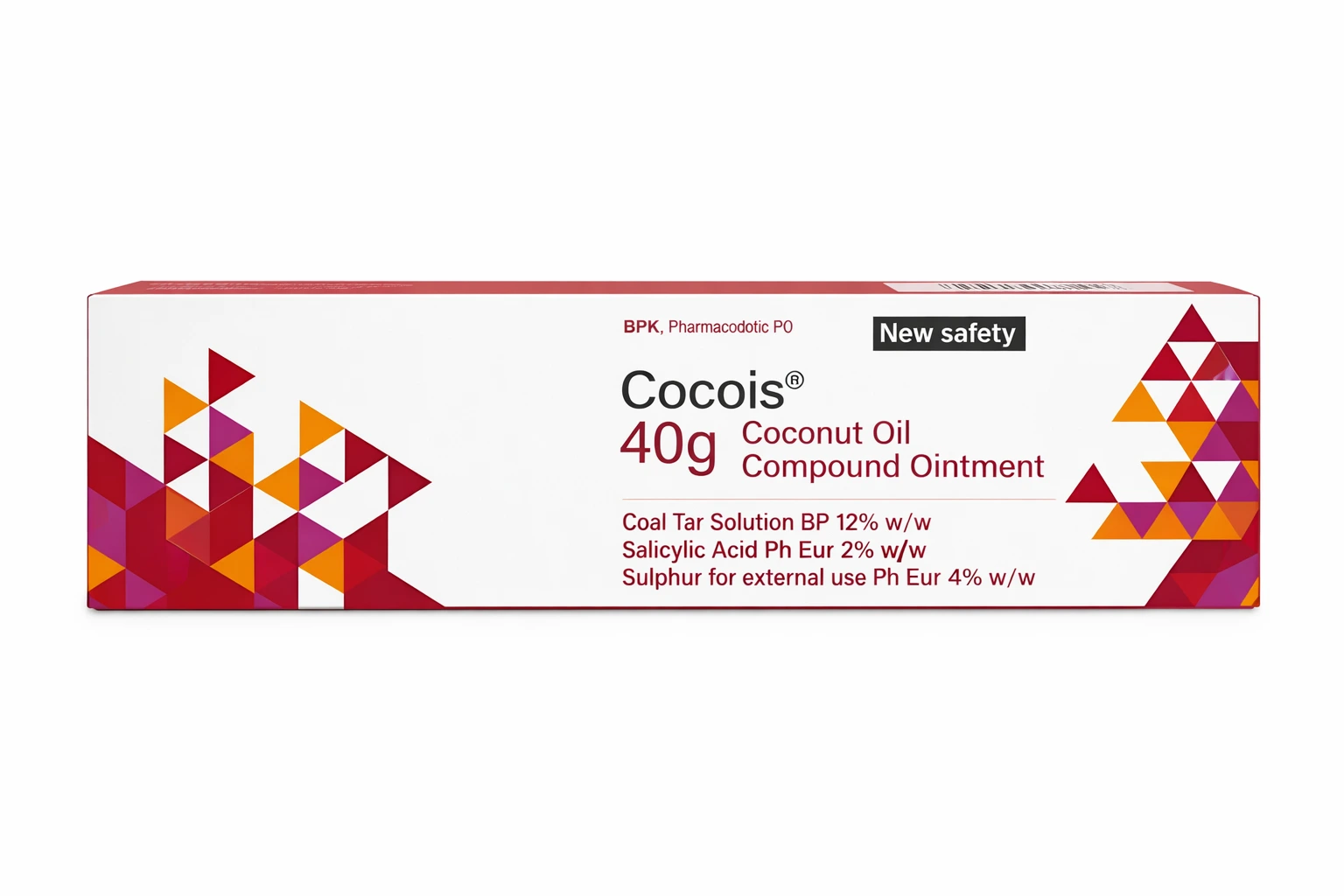
| Cocois Ointment | Coal tar solution 12%, salicylic acid 2%, sulphur 4% | Scaly scalp: psoriasis, seborrhoeic dermatitis, eczema, dandruff (ages 12+) | General sale (GSL) |
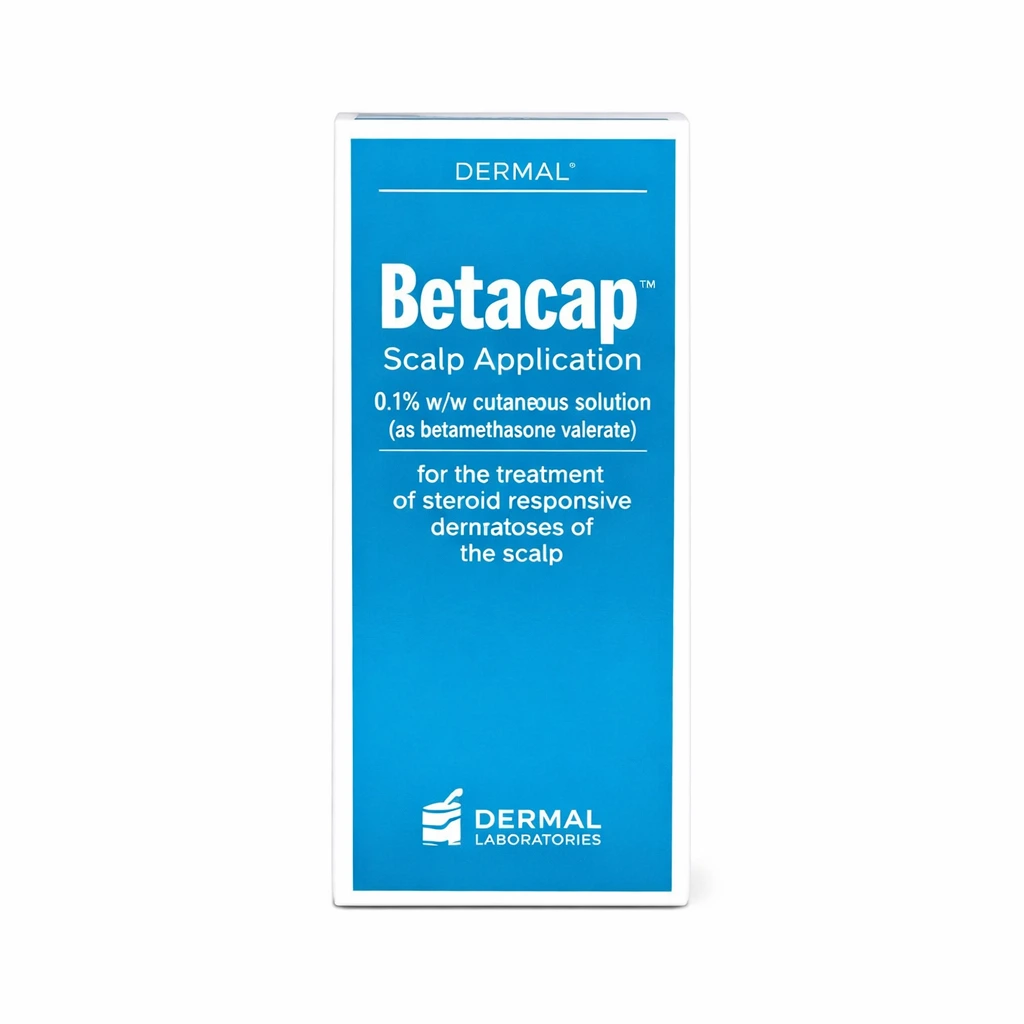
| Betacap Scalp Application | Betamethasone valerate 0.1% (potent steroid) | Scalp psoriasis and seborrhoeic dermatitis not responding to weaker steroids | Prescription only (POM) |
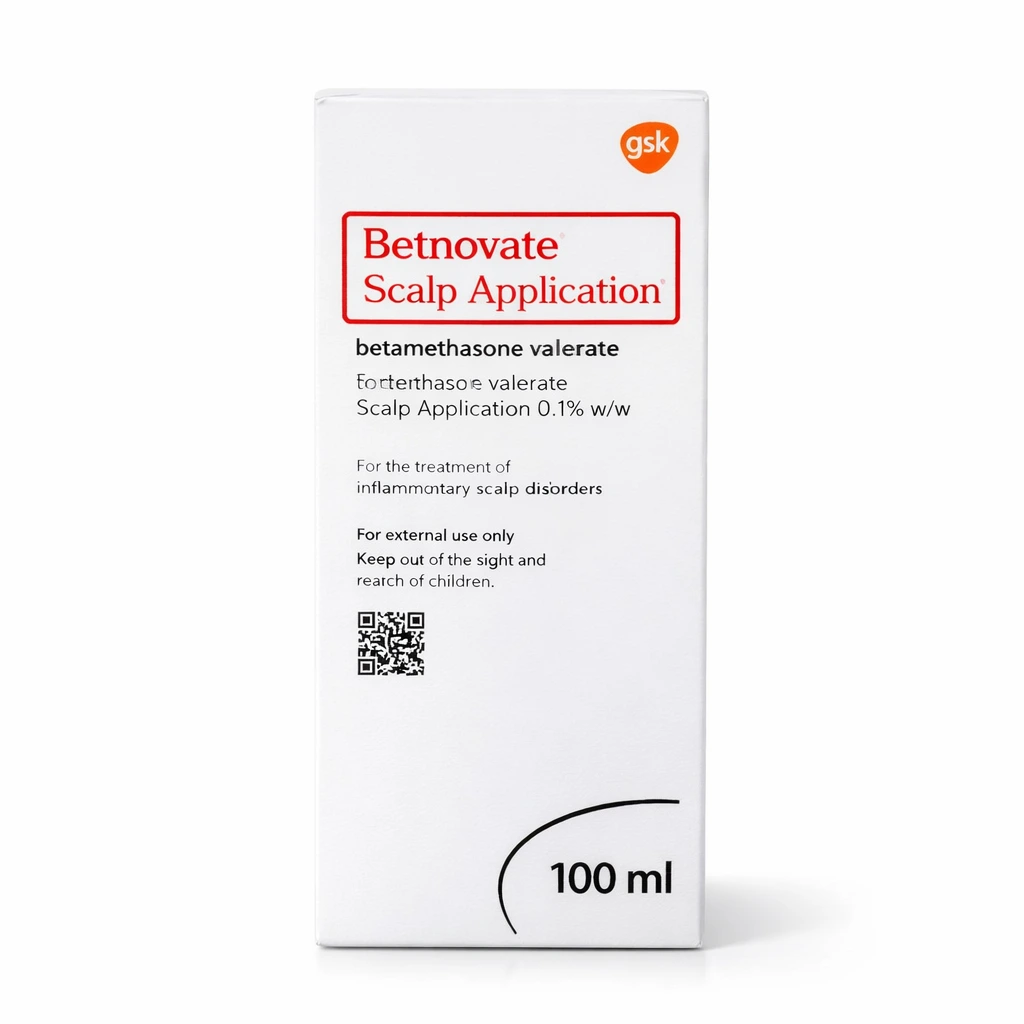
| Betnovate Scalp Application | Betamethasone valerate, equivalent to 0.1% betamethasone (potent steroid) | Scalp psoriasis, seborrhoeic dermatitis, inflammation with severe dandruff | Prescription only (POM) |
| Elocon Scalp Lotion | Mometasone furoate 0.1% (potent steroid) | Scalp psoriasis and seborrhoeic dermatitis | only (POM) |
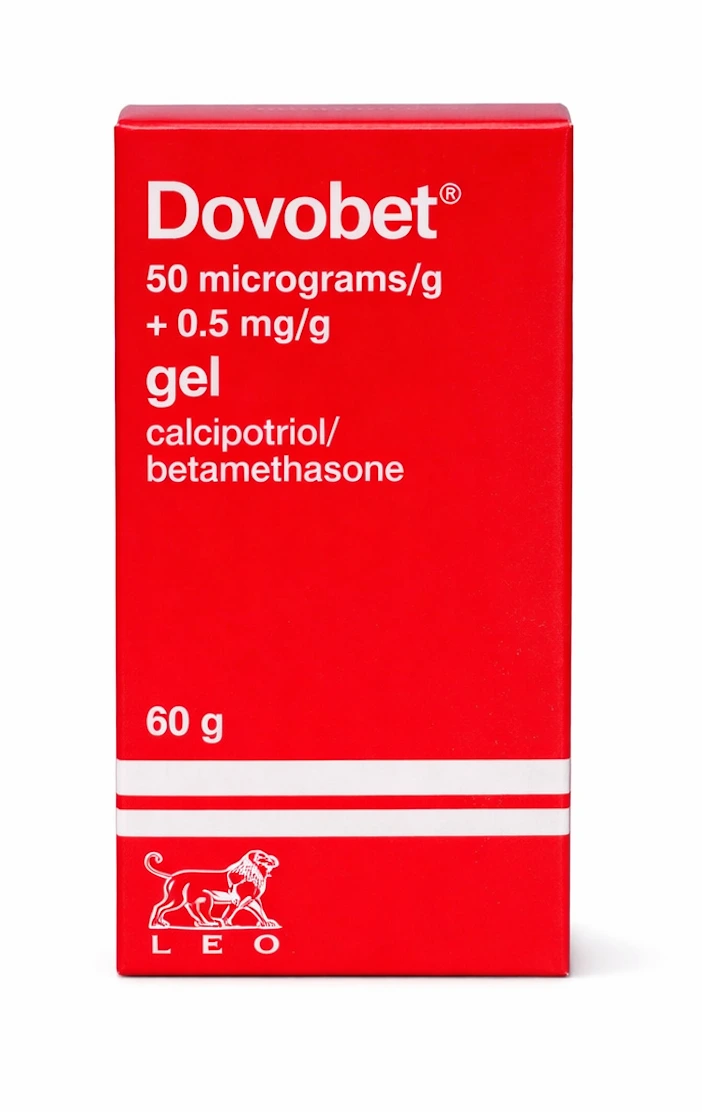
| Dovobet Gel | Calcipotriol + betamethasone dipropionate | Scalp psoriasis in adults; mild to moderate body plaque psoriasis | Prescription only (POM) |
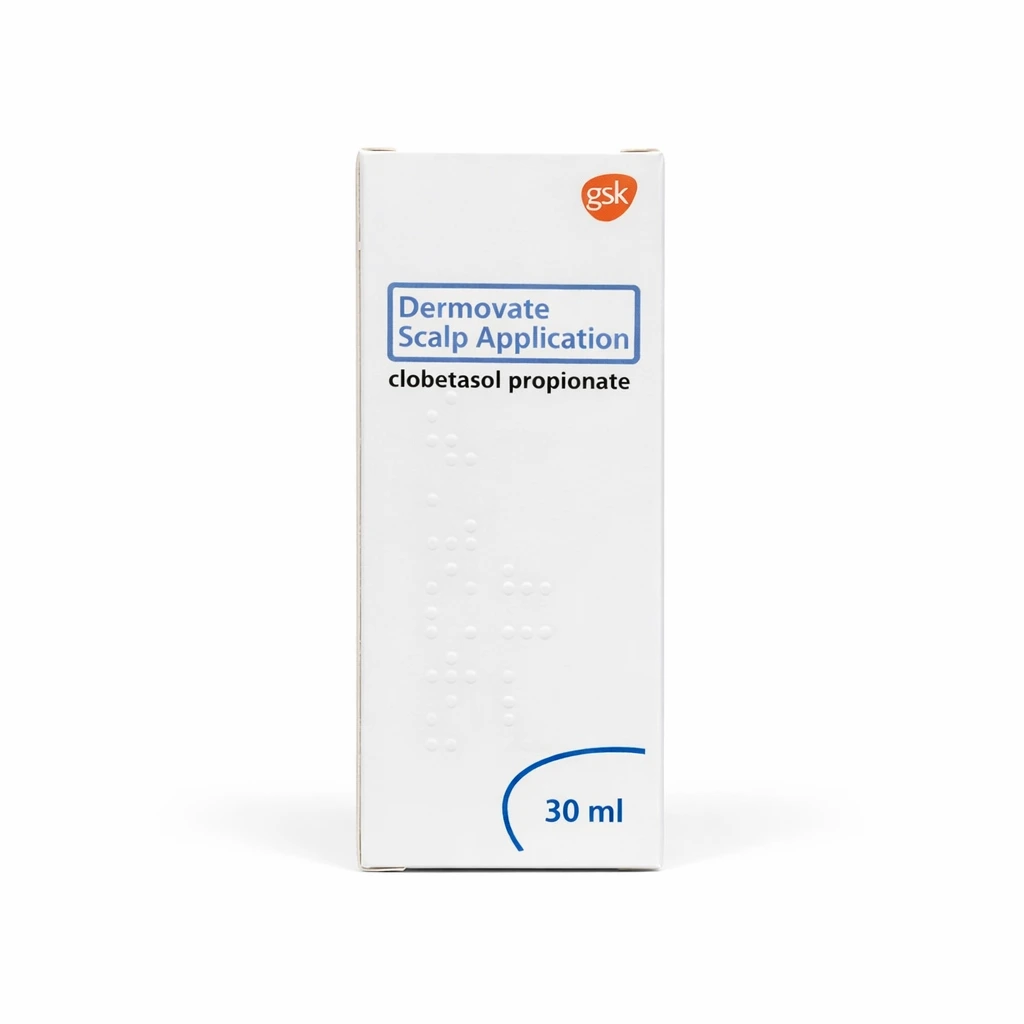
| Dermovate Scalp Application | Clobetasol propionate 0.05% (very potent steroid) | Short courses for scalp conditions such as psoriasis that do not respond to less active steroids | Prescription only (POM) |
| Etrivex Shampoo | Clobetasol propionate 0.05% (very potent steroid) | Moderate scalp psoriasis in adults | Prescription only (POM) |
Not sure if it's dandruff or psoriasis?
Answer a short consultation about your symptoms, how long you've had them, treatments you've already tried and any other medicines you take.
A GPhC-registered pharmacist independent prescriber checks whether treatment is safe and suitable. If it isn't, they will tell you and may suggest seeing your GP.
If approved, your treatment is dispensed by our GPhC-registered UK pharmacy and sent in plain packaging.
Some scalp problems need a face-to-face assessment. Our prescribers may recommend you see your GP instead if:
Fact: Dandruff is linked to Malassezia yeast and how your scalp reacts to it, not to infrequent washing. Very harsh or frequent washing can irritate the scalp further.
Fact: While dry scalp can cause flaking, true dandruff involves fungal activity and inflammation. The two have different appearances, causes, and treatments. Moisturising the scalp does not treat fungal-driven dandruff.
Fact: Dandruff is a chronic condition that can recur after treatment. Maintenance use of medicated shampoo (once weekly or fortnightly) is often needed to prevent it returning.
Fact: Dandruff does not directly cause permanent hair loss. Severe inflammation may temporarily weaken follicles, and excessive scratching can cause some breakage, but these effects are reversible with treatment.
Fact: There is limited evidence for remedies like tea tree or coconut oil, and they can irritate some people's skin. Licensed medicated shampoos have a much stronger evidence base for treating dandruff.
Fact: Scalp psoriasis is an immune condition, not a yeast problem. It usually causes thicker, silvery scale on well-defined patches and needs different treatment, such as a steroid scalp application or coal tar.
Fact: Steroid scalp treatments are used in short courses. NICE advises against using a potent steroid continuously at one site for more than 8 weeks, or a very potent steroid for more than 4 weeks.
Alongside treatment, these steps can help control flaking and reduce flare-ups.
Massage it into the scalp, not just the hair, and leave it on for as long as the pack says before rinsing (3–5 minutes for ketoconazole).
Once your scalp is under control, keep using your medicated shampoo regularly, as directed, to help stop dandruff returning.
Rinse shampoo out thoroughly, and use gentle, fragrance-free products between medicated washes. Strong styling products and heat can irritate the scalp.
Scratching and picking scale damages the skin and can make itching, flaking and psoriasis worse.
For psoriasis with thick scale, a descaling product such as coal tar can help a steroid reach the skin. Ask our pharmacist how to use them together.
Many people notice flare-ups with stress, cold weather or illness. Keeping a note of flares can help you spot a pattern.
See a GP or pharmacist if:
Answers to common questions before you start a consultation. For more detail, see our Dandruff & Psoriasis Health Guide.
There is no single best treatment. The NHS advises starting with an anti-dandruff shampoo containing an ingredient such as ketoconazole, zinc pyrithione, selenium sulphide, salicylic acid or coal tar, and using it for at least a month. For seborrhoeic dermatitis of the scalp, NICE CKS recommends ketoconazole 2% shampoo first. If the scalp is also red and inflamed, a prescriber may add a short course of a steroid scalp application.
It varies with the product and the cause. The NHS suggests using an anti-dandruff shampoo for at least a month, and seeing a GP if your dandruff has not improved after 4 weeks. Once it is under control, a regular maintenance wash helps stop it coming back.
Follow the instructions for your product. Ketoconazole 2% shampoo is usually used twice a week for 2 to 4 weeks and left on for 3 to 5 minutes, then every 1 to 2 weeks to prevent dandruff returning. Some other medicated shampoos can be used daily at first, then once or twice a week.
Dandruff is a long-term condition that treatment controls rather than cures, so it often returns when maintenance washing stops or when a shampoo is not left on long enough. Persistent flaking with redness may be seborrhoeic dermatitis, and thick, silvery, well-defined patches may be scalp psoriasis. Both may need a different treatment.
Most people do not. Several medicated shampoos, including Nizoral Anti-Dandruff Shampoo, are available without a prescription. Steroid scalp applications such as Betacap, Betnovate Scalp and Dermovate Scalp are prescription-only medicines and are only supplied after a consultation with a prescriber.
Dandruff does not usually cause permanent hair loss. Inflammation and scratching can lead to temporary shedding, which normally settles once the scalp is treated. Smooth bald patches, scarring or scaly patches with broken hairs need checking by a GP.
The NHS advises seeing a GP if your dandruff has not improved after using an anti-dandruff shampoo for 4 weeks, if it is bad or your scalp is very itchy, if your scalp is red or swollen, or if you have flaky, itchy patches on your face or other parts of your body. Get help sooner if your scalp is weeping, crusted or very painful.
Dandruff usually causes loose white or yellow flakes and an itchy scalp. Scalp psoriasis tends to cause thick, silvery scale on well-defined red patches that can extend past the hairline, and there may be psoriasis elsewhere on the body or changes to the nails. If you are not sure, our prescribers will ask about your symptoms during the consultation.
NICE recommends a potent steroid applied once daily for up to 4 weeks as the first treatment for scalp psoriasis in adults. If that does not work, options include a different formulation, a descaling product such as coal tar, a combined calcipotriol and betamethasone product, or a very potent steroid for a short time. A prescriber will choose based on your scalp and treatment history.
Yes, after a consultation. Steroid scalp applications are prescription-only medicines. At Access Doctor, a GPhC-registered pharmacist independent prescriber reviews your answers and only prescribes if a steroid is suitable. They may recommend a non-prescription option, or advise you to see your GP, instead.
Coal tar products are licensed for scaly scalp conditions such as psoriasis and can be used by most adults. They can stain skin, hair and fabric, may cause irritation, and can make skin more sensitive to sunlight. Cocois must not be used in the last three months of pregnancy, and fabric it touches can catch fire more easily.
Some can. Nizoral Anti-Dandruff Shampoo is for people aged 12 and over, and Cocois is for over-12s, or ages 6 to 12 only under medical supervision. Steroid scalp applications are used in children only for short courses on a prescriber's advice. For a flaky scalp in a baby (cradle cap), speak to a pharmacist, health visitor or GP.
Helpful reads related to this treatment area.
Start a short online consultation and our clinical team will review whether treatment is suitable for you.