

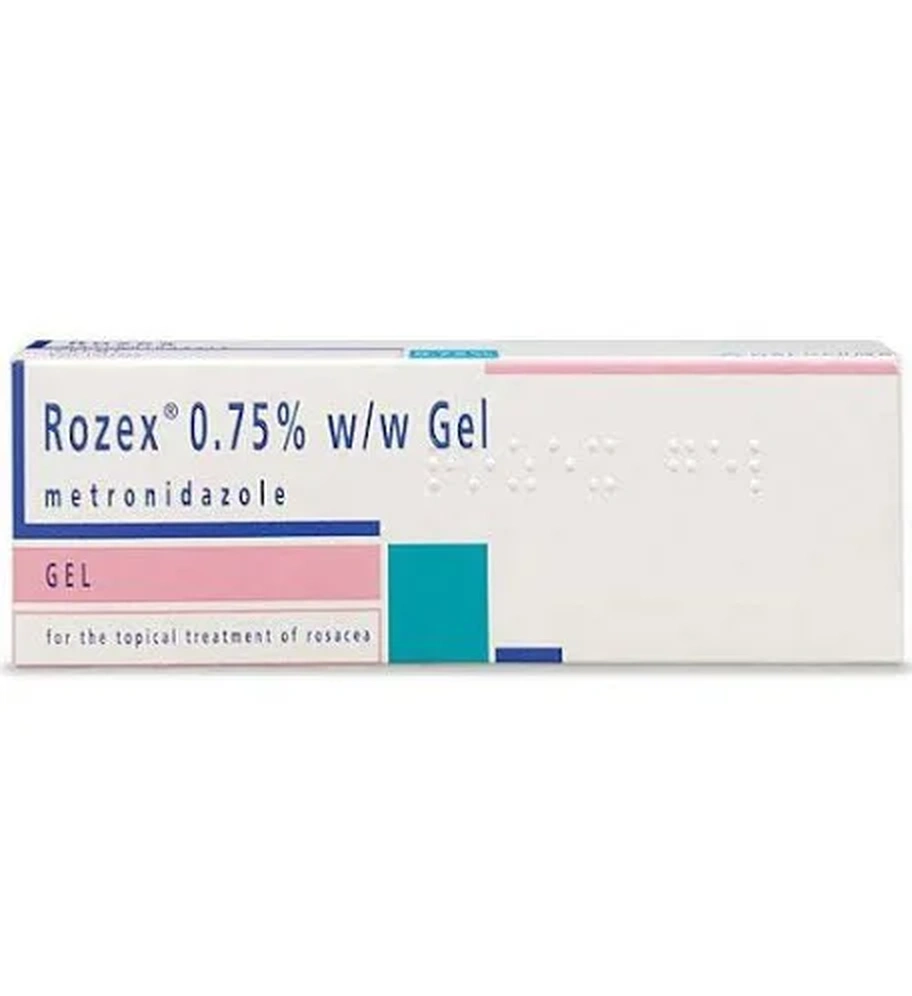
Rozex 0.75% Gel or Cream
From £0.00

Our friendly team is available to help Monday to Friday 9:00am – 5:00pm.
If you need urgent assistance, do not use this service. Call 111, or in an emergency call 999.

Rosacea causes facial redness and spots that come and go. It can’t be cured, but the right treatment controls it well. Complete a short online consultation, and a GPhC-registered pharmacist prescriber will recommend a cream or gel that suits your symptoms and check it’s safe for you. For adults 18 and over.
Your symptoms, what you’ve tried and your health history.
We check your answers and recommend what’s safe and suitable.
From our UK pharmacy in plain packaging.
Rosacea treatment is matched to the symptom that bothers you most.
The spots and bumps (papules and pustules) are treated with an anti-inflammatory cream or gel, such as ivermectin, metronidazole or azelaic acid. These are usually used for 3 to 4 months.
Persistent redness is treated with a gel that narrows the small blood vessels in the skin for several hours. It doesn’t treat spots.
UK guidance (NICE) recommends ivermectin cream as the first choice for spots. Metronidazole or azelaic acid are the alternatives. For more severe spots, a low-dose antibiotic capsule (doxycycline 40mg) can be added. Rosacea tends to come back, so many people repeat a course or use treatment on and off.
Our online service is for adults 18 and over. We don’t supply rosacea treatment in pregnancy or while breastfeeding. For what rosacea is and its subtypes, see our rosacea conditions guide.
All rosacea treatments are prescription-only. A pharmacist prescriber decides which one suits you after your consultation. You can order up to 3 tubes at a time, and your prescriber will usually review you after 3 months of a cream or gel for spots.



| Medicine | Treats | Active ingredient | How it’s used | Good to know | Price from |
|---|---|---|---|---|---|
| Soolantra Cream | Spots and bumps | Ivermectin 1% | Once a day, for up to 4 months | NICE first choice for spots; stop if no better after 3 months | £44.99 |
| Rozex Gel or Cream | Spots, bumps and redness | Metronidazole 0.75% | Twice a day, usually for 3 to 4 months | Gel or cream; avoid sunbeds | £19.99 |
| Metronidazole Gel or Cream | Spots, bumps and redness | Metronidazole 0.75% | Twice a day, usually for 3 to 4 months | Same medicine as Rozex at a lower price | £14.99 |
| Metrogel | Spots, bumps and redness | Metronidazole 0.75% | Twice a day, usually for 3 to 4 months | Gel only | £37.99 |
| Finacea 15% Gel | Spots and bumps | Azelaic acid 15% | Twice a day | Usually improves within 4 weeks; stop if no better after 2 months; burning or itching at first is common | £19.99 |
| Mirvaso Gel | Persistent redness | Brimonidine | Once a day, starting with a small amount | Works for several hours; doesn’t treat spots; redness can come back worse | £49.99 |
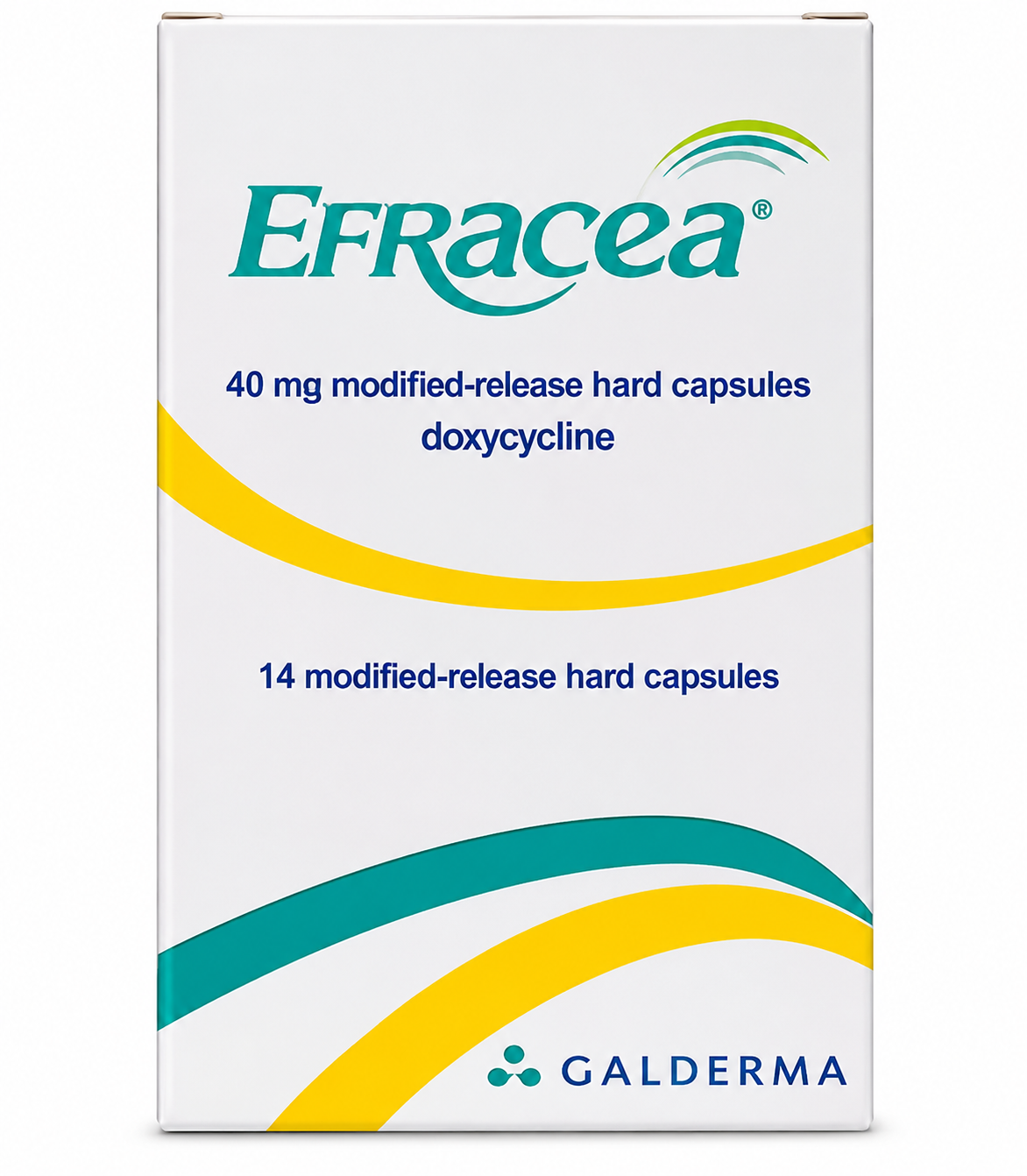
| Efracea Capsules | More severe spots (with a cream or gel) | Doxycycline 40mg | One capsule a day | Added to a cream or gel for more severe spots | £23.99 |
Not sure which rosacea treatment you need?
Based on NICE guidance. Your prescriber chooses with you, taking into account what you’ve tried before.
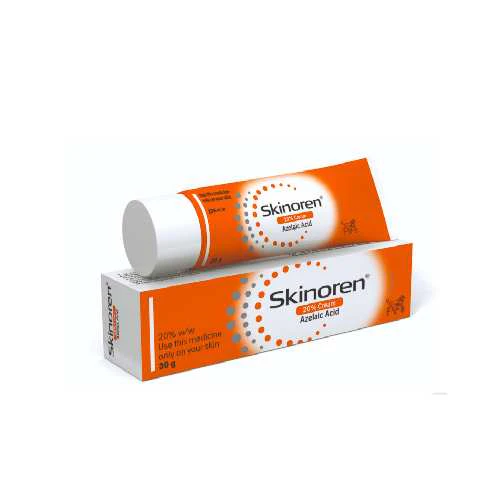
Ivermectin cream once a day. Metronidazole or azelaic acid are the alternatives. Examples: Soolantra, Rozex, Metronidazole Gel or Cream, Metrogel, Finacea.
A cream or gel together with a low-dose antibiotic capsule (doxycycline 40mg). Example: Efracea.
Brimonidine gel, which reduces redness for several hours at a time. It can be used alongside a cream or gel for spots. Example: Mirvaso.
Creams and gels don’t remove these. Laser or light treatment from a dermatologist or a private clinic can.
See your GP. This needs a specialist.
See your GP or optician. We don’t treat eye rosacea online.
Please see your GP, rather than ordering online, if any of these apply:
Most creams and gels take several weeks to make a clear difference. Rosacea can look slightly worse in the first week of ivermectin, and this usually settles.
Use a small amount for the first week. Don’t use it on irritated skin or soon after laser treatment. In some people, redness comes back worse than before as the gel wears off.
Azelaic acid and metronidazole can sting or dry the skin. Use a gentle, fragrance-free moisturiser.
Wear SPF 30 or higher every day. Avoid sunbeds, which also stop metronidazole working as well.
Keep them away from your eyes, lips and the inside of your nose.
Report side effects through the MHRA Yellow Card scheme at yellowcard.mhra.gov.uk.
Fact: Alcohol is a common trigger for flushing, but it does not cause rosacea. Plenty of people with rosacea drink little or nothing at all. The cause is not fully understood and involves the blood vessels, the immune system and, in some people, mites that live normally on the skin.
Fact: They can look similar, and the spots are sometimes called acne rosacea, but they are different conditions. Rosacea does not cause blackheads, and some acne treatments make rosacea worse, which is why it is worth getting the diagnosis right before treating it.
Fact: Scrubs, exfoliants, alcohol-based toners and hot water usually make rosacea worse. Skin affected by rosacea is sensitive. A gentle cleanser, a plain moisturiser and daily SPF 30 or higher do far more good.
Fact: Rosacea is long-term and tends to come back when treatment stops. Most treatments are used for months rather than days, and some people use them on and off for years to keep flare-ups under control.
Sunlight is one of the most common triggers. A high-factor sunscreen made for sensitive skin, used all year round rather than only in summer, is the single most useful habit.
Use a mild, soap-free cleanser and a plain moisturiser. Avoid scrubs, alcohol-based toners and anything that stings when you put it on.
Alcohol, spicy food, hot drinks, heat, cold wind, hard exercise and stress are the usual ones, but they vary from person to person. Keeping a short diary for a few weeks usually makes your pattern obvious.
Warm compresses and gentle eyelid cleaning help with sore, crusted lids. See your GP or optician, as we don’t treat eye rosacea online. Get help the same day if your eye is painful or your vision changes.
Rosacea treatments are slow. Most need several weeks before you see a real difference, so keep going rather than judging them in the first fortnight.
The treatment page continues to use the existing FAQ entries already stored for this category.
No, but it can be controlled well. Rosacea is a long-term condition that comes and goes. The aim of treatment is to settle flare-ups, keep the skin calm in between, and stop it getting worse over time. Most people find that with the right treatment, and a bit of trigger-spotting, it stops being a daily problem.
Longer than most people expect. Creams and gels usually need several weeks before there’s a clear difference, and a course often runs for 3 to 4 months. If ivermectin hasn’t helped after 3 months, or azelaic acid after 2 months, your prescriber will suggest something else rather than carry on. A redness gel works differently: it reduces redness within hours, but the effect wears off during the day.
Yes, if you’re 18 or over. You complete a short consultation about your skin and your medical history, and a GPhC-registered pharmacist prescriber reviews it before anything is prescribed. If your answers suggest something other than rosacea, or your eyes are affected, they’ll ask you to see your GP instead. We don’t supply rosacea treatment in pregnancy or while breastfeeding.
Acne causes blackheads and whiteheads and usually affects teenagers and young adults. Rosacea causes flushing, persistent redness and visible small blood vessels, with spots that have no blackheads, and it usually starts after 30. The treatments are different, and some acne treatments make rosacea worse.
It can. Sore, dry, gritty or red eyes and crusting at the base of the lashes are common. We don’t treat eye rosacea online, so please see your GP or optician. If your eyes become painful, very red or sensitive to light, or your vision changes, get help the same day from your GP or NHS 111.
Often, yes. Rosacea tends to return once treatment stops, which is why most treatments are used for months and some people use them on and off long term. Gentle skincare, daily sun protection and avoiding your own triggers all make flare-ups less frequent.
It depends on your symptoms. For spots and bumps, NICE recommends ivermectin cream once a day as the first choice, with metronidazole or azelaic acid gel as alternatives. For persistent redness, a brimonidine gel reduces redness for several hours at a time. More severe spots may need a low-dose antibiotic capsule as well. Your prescriber will recommend what suits you.
Prescription rosacea creams and gels, such as ivermectin, metronidazole, azelaic acid 15% and brimonidine, aren’t available over the counter in the UK. You’ll need a consultation with a prescriber, online or with your GP. Gentle skincare and a daily SPF 30 or higher can be bought anywhere and help alongside treatment.
Sometimes. Metronidazole, used as a cream or gel, is an antibiotic, but it mainly works on inflammation. For more severe spots, NICE recommends adding a low-dose doxycycline capsule (40mg once a day), which works as an anti-inflammatory rather than to kill bacteria. Antibiotics don’t help redness or flushing.
Not on its own. If your main problem is flushing episodes, please see your GP, who can look for the cause and discuss treatment. If you have persistent redness that stays between flushes, a brimonidine gel may help, and our prescribers can assess you for it.
Up to 3 tubes per order. Your prescriber will usually review you after about 3 months of a cream or gel for spots, before you order more.
Helpful reads related to this treatment area.
Complete a short online consultation. A GPhC-registered pharmacist prescriber will check it’s safe to supply, and we’ll dispatch your treatment from our UK pharmacy. GPhC pharmacy #9011198.