


We’re here to help.
Our friendly team is available to help Monday to Friday 9:00am – 5:00pm.
If you need urgent assistance, do not use this service. Call 111, or in an emergency call 999.
Our friendly team is available to help Monday to Friday 9:00am – 5:00pm.
If you need urgent assistance, do not use this service. Call 111, or in an emergency call 999.
Fast, discreet delivery
Free delivery over £40
100% UK-based pharmacy
All doctors & pharmacists UK-based
Free advice & support
Clinical support free · Mon–Fri 9am–5pm
Why Patients Choose Access Doctor
10+
Years serving UK patients
—
Verified patient reviews
1,000+
Licensed treatments
24/7
Consultation available
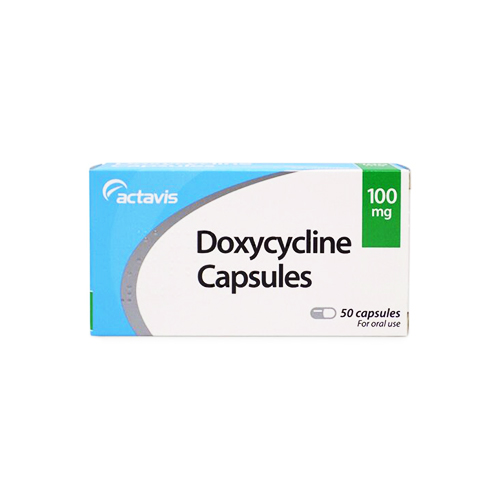
An antibiotic capsule taken once a day for moderate to severe acne, used with a cream or gel. It reduces the bacteria and inflammation behind red, pus-filled spots.
Use it with a cream or gel: doxycycline is always prescribed with a retinoid or benzoyl peroxide treatment, such as Epiduo, Differin or Acnecide, to stop bacteria becoming resistant. Don’t use it with an antibiotic gel such as Duac, Treclin or Zindaclin.
Order before 3pm — same-day dispatch (MON - FRI)
~5 min consultation
Suitable age
18 years +
Max per order
84 capsules (3 months)
Consultation
Yes, with a review at 12 weeks
Doxycycline is a prescription-only antibiotic from the tetracycline family. For acne, it’s taken as one 100mg capsule a day. It reduces the acne bacteria (Cutibacterium acnes) and calms the inflammation that causes red, swollen and pus-filled spots. NICE recommends doxycycline or lymecycline as the first-choice antibiotic for moderate to severe acne, always together with a cream or gel such as adapalene with benzoyl peroxide (Epiduo) or azelaic acid.
It’s reviewed at 12 weeks, and the whole course is no more than 6 months. Once your skin is clear, you carry on with the cream or gel alone. If doxycycline doesn’t suit you, lymecycline is the main alternative. For every option, see our acne treatments.
| Active ingredient | Doxycycline 100mg |
| Type | Tetracycline antibiotic (capsule) |
| Used for | Moderate to severe acne, with a cream or gel |
| Dose | One capsule a day, with food and a full glass of water |
| Course | Reviewed at 12 weeks; no more than 6 months |
| Max per order | 3 months |
| Prescription status | Prescription-only medicine (POM) |
Doxycycline is a prescription antibiotic from the tetracycline family, and one of the most commonly prescribed acne tablets in the UK. It reduces the bacteria linked to acne (Cutibacterium acnes) and calms inflammation, which helps settle red, swollen and pus-filled spots. It’s used for moderate to severe acne, always alongside a retinoid or benzoyl peroxide cream or gel. You’ll need an online consultation with one of our prescribers before it can be supplied.
It takes time: your prescriber reviews how well it’s working at 12 weeks. Keep taking it every day even if you don’t see a change straight away, as stopping early can let acne come back and makes resistance more likely. If it’s helping, you may continue for up to 6 months in total, then carry on with your cream or gel alone.
The usual dose for acne is one 100mg capsule taken once a day, preferably in the morning. Take it after a meal to reduce the risk of nausea or stomach upset, and always swallow it with a full glass of water. Do not lie down for at least 30 minutes after taking it, as this can cause irritation to the throat or oesophagus. Try to take it at the same time each day to keep it working consistently. If you miss a dose, take it as soon as you remember — but if it's nearly time for your next dose, skip the missed one and carry on as normal. Never take a double dose.
Yes — this is one of the most important things to be aware of when taking doxycycline. It can make your skin significantly more sensitive to sunlight, increasing the risk of sunburn, redness, and skin rashes even after relatively short sun exposure. While taking doxycycline, you should apply a high-factor sunscreen (SPF 50+) every day, wear protective clothing, and avoid prolonged sun exposure or sunbeds. If you notice unusual redness or a rash after being in the sun, contact your doctor.
Most people tolerate doxycycline well, but some side effects can occur. The most commonly reported ones are nausea, an upset stomach, diarrhoea, and heartburn — these are usually mild and can often be reduced by taking doxycycline with food. Increased sensitivity to sunlight is also common. In rare cases, more serious side effects can occur, including a severe allergic reaction, inflammation of the bowel, or increased pressure inside the head — symptoms of which include persistent headache or blurred vision. If you experience any severe or unusual symptoms, stop taking doxycycline and seek medical advice promptly.
No. Doxycycline doesn’t make the combined pill, mini pill or other hormonal contraception less effective, according to the Faculty of Sexual and Reproductive Healthcare (FSRH). If you’re sick within a few hours of taking the pill, or have severe diarrhoea, follow the missed-pill advice in your pill’s leaflet.
It's best to avoid alcohol while taking doxycycline. Alcohol can reduce how effective the medication is and may also increase the risk of side effects such as nausea and stomach upset. While an occasional drink is unlikely to cause serious harm, it's sensible to keep alcohol to a minimum and avoid binge drinking throughout your course of treatment.
No. Doxycycline must not be taken during pregnancy or while breastfeeding, as it can affect a baby’s developing teeth and bones. If you find you’re pregnant while taking it, stop and contact your GP. We don’t supply acne treatment online if you’re pregnant, trying for a baby or breastfeeding.
Yes, doxycycline is prescription-only. You can get it from Access Doctor after a short online consultation: you answer questions about your skin, health and previous treatments, a pharmacist prescriber checks it’s safe for you, and if it’s approved we dispatch it from our UK pharmacy. We supply 3 months at a time, alongside a cream or gel, with a review at 12 weeks.
A retinoid or benzoyl peroxide treatment, such as Epiduo (adapalene with benzoyl peroxide), Differin (adapalene) or Acnecide (benzoyl peroxide). Using one with doxycycline works better and stops bacteria becoming resistant. Don’t use an antibiotic gel or lotion, such as Duac, Treclin, Dalacin T or Zindaclin, at the same time.
No reviews yet. Be the first to write one.
Helpful articles and clinical guides related to this treatment category.
Free consultation
Online review by a UK prescriber
Next-day delivery
Order before 3pm where offered
Discreet packaging
Plain outer packaging