

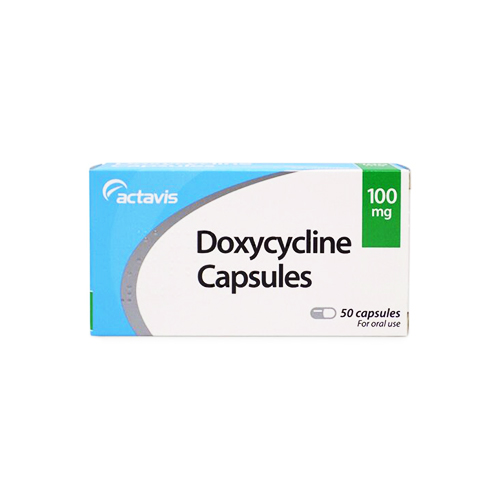
Doxycycline for Acne
From £14.99

Our friendly team is available to help Monday to Friday 9:00am – 5:00pm.
If you need urgent assistance, do not use this service. Call 111, or in an emergency call 999.

Get prescription acne treatment without waiting for a GP appointment. Complete a short online consultation, and a GPhC-registered pharmacist prescriber will recommend a treatment that suits your skin and check it’s safe for you. For adults 18 and over.
Your acne, what you’ve tried and your health history.
We check your answers and recommend what’s safe and suitable.
From our UK pharmacy by Royal Mail Tracked or Special Delivery.
Acne treatment works on the four things that cause spots: too much oil, blocked pores, bacteria (Cutibacterium acnes) and inflammation. The most effective treatments tackle several at once, which is why most prescription acne creams and gels combine two ingredients, and why tablets are always used with a cream or gel.
UK guidance (NICE) recommends a 12-week course of a combined cream or gel as the first treatment for most people, adding an antibiotic tablet for moderate to severe acne. Treatment is reviewed at 12 weeks. Once your skin is clear, a maintenance cream or gel helps stop acne coming back.
Our online service is for adults 18 and over. We don’t supply acne treatment in pregnancy or while breastfeeding. For what acne is and what causes it, see our acne conditions guide.
Most acne treatments are prescription-only, and a pharmacist prescriber decides which is suitable after your consultation. Benzoyl peroxide (Acnecide) is a pharmacy medicine, and our pharmacists check your answers before supply.
You can order a 3-month supply of antibiotic tablets at a time, and up to 3 months of a cream or gel for your first course (up to 6 months for later courses, after a review). Creams and gels containing an antibiotic (Duac, Treclin, Dalacin T, Zindaclin) are used for a 12-week course before a review. Dianette can be ordered for up to 6 months.





| Medicine | Type | Active ingredient | How it’s used | Good to know | Price from |
|---|---|---|---|---|---|
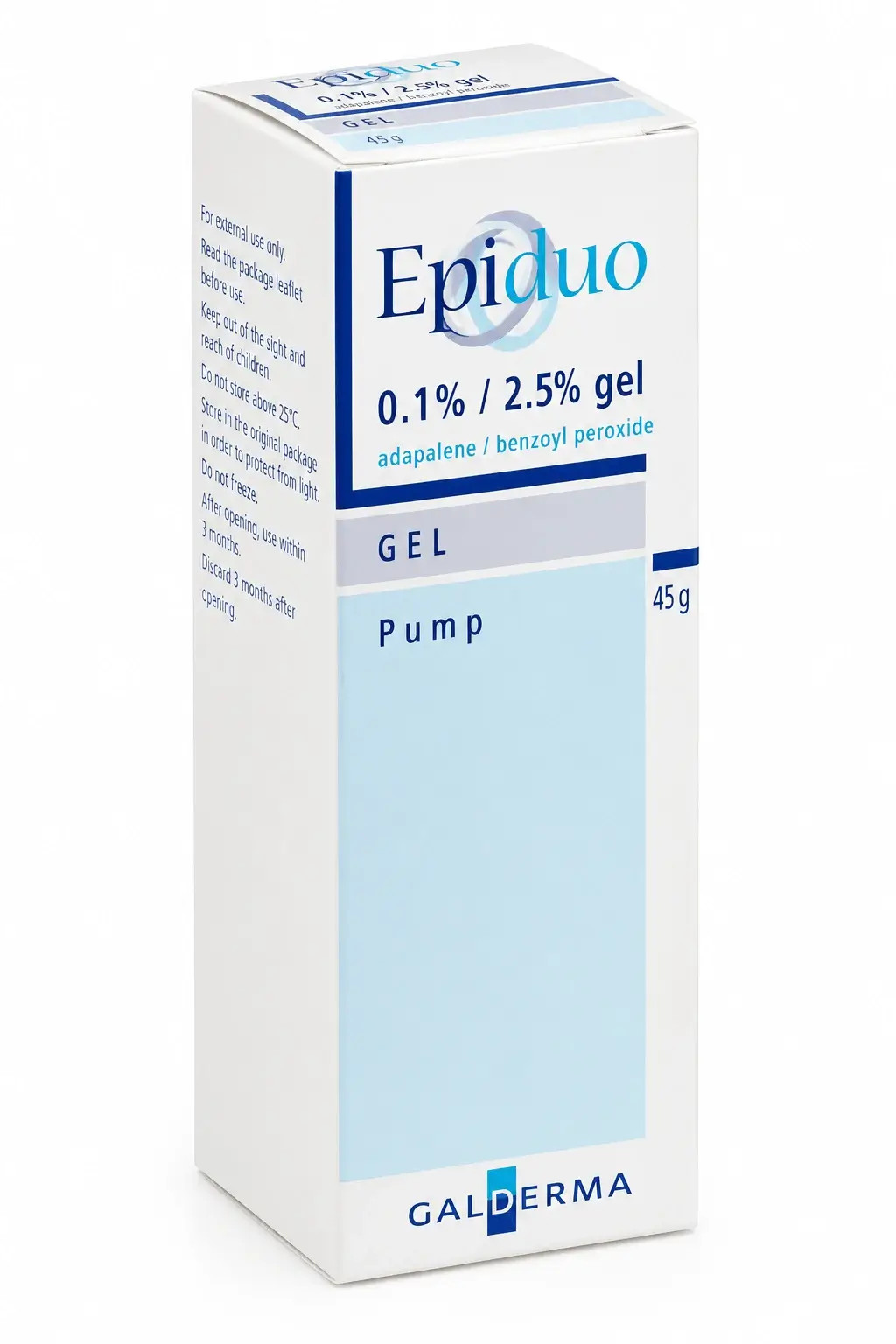
| Epiduo 0.1% / 0.3% Gel | Retinoid + benzoyl peroxide (prescription) | Adapalene, benzoyl peroxide | Once a day in the evening, on the whole affected area | NICE first-line for any severity; can be used with an antibiotic tablet | £39.99 |
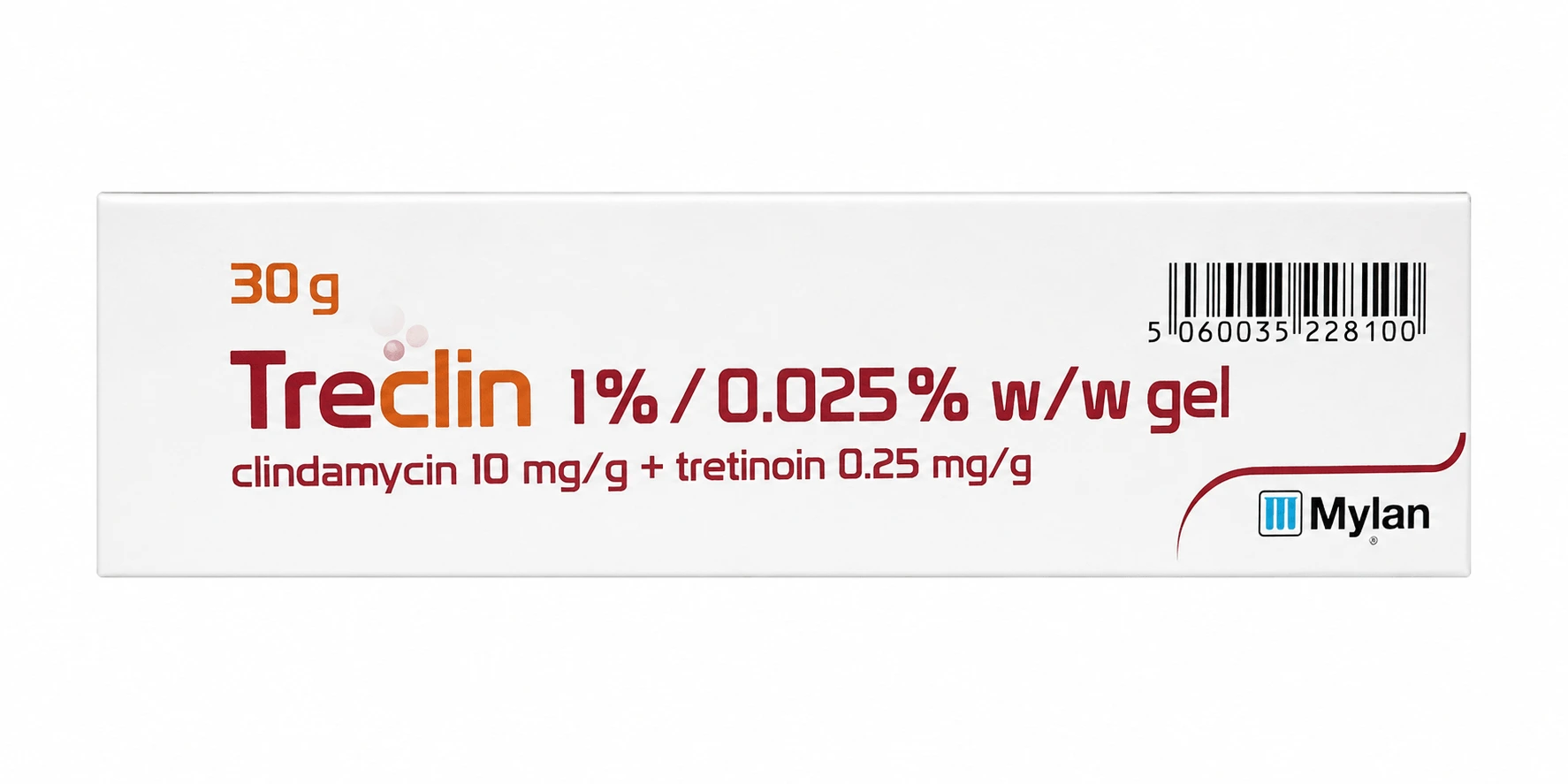
| Treclin Gel | Retinoid + antibiotic (prescription) | Tretinoin, clindamycin | Once a day at bedtime | NICE first-line for any severity; not with an antibiotic tablet | £21.99 |
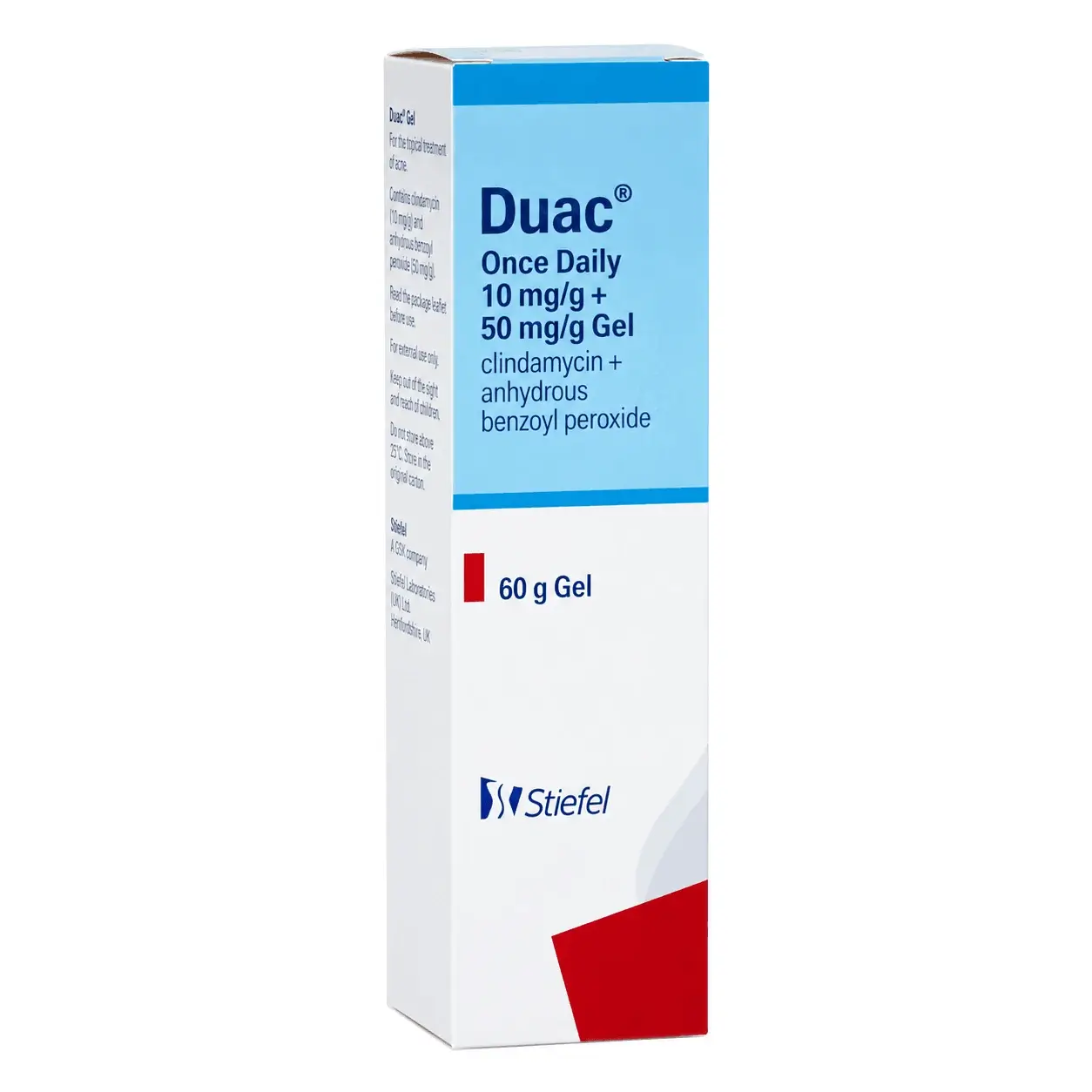
| Duac Gel | Benzoyl peroxide + antibiotic (prescription) | Benzoyl peroxide, clindamycin | Once a day in the evening | NICE first-line for mild to moderate acne; can bleach fabrics and hair | £21.99 |
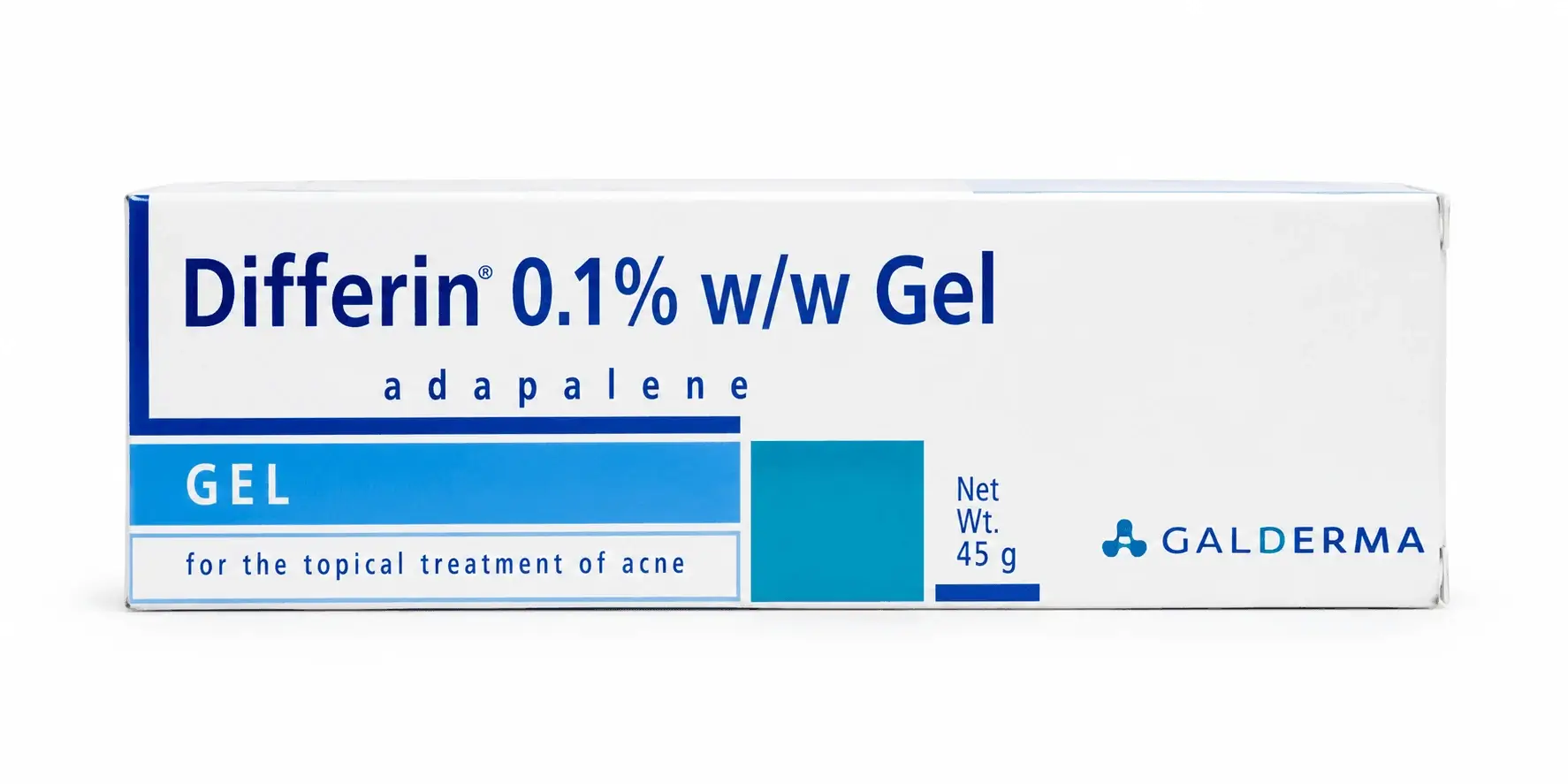
| Differin 0.1% Gel | Retinoid (prescription) | Adapalene | Once a day at bedtime | Good for blackheads and whiteheads, and for maintenance | £29.99 |
| Skinoren Cream | Azelaic acid (prescription) | Azelaic acid 20% | Twice a day | Currently unavailable. A NICE option with an antibiotic tablet for moderate to severe acne | £15.99 |
| Acnecide Gel / Face Wash | Benzoyl peroxide (pharmacy medicine) | Benzoyl peroxide 5% | Gel once or twice a day; wash as directed | Can bleach fabrics and hair | £16.99 |
| Dalacin T Lotion | Antibiotic (prescription) | Clindamycin | Twice a day | Used with benzoyl peroxide or a retinoid, not on its own | £17.99 |
| Zindaclin 1% Gel | Antibiotic (prescription) | Clindamycin, zinc | Once a day | Used with benzoyl peroxide or a retinoid, not on its own | £19.99 |
| Lymecycline 408mg / Tetralysal 300 | Antibiotic tablet (prescription) | Lymecycline | One capsule a day | NICE first-choice tablet, with a cream or gel; 3 months per order | £19.99 / £22.99 |
| Doxycycline for Acne | Antibiotic tablet (prescription) | Doxycycline | Once a day | NICE first-choice tablet, with a cream or gel; can make skin sensitive to sun | £14.99 |
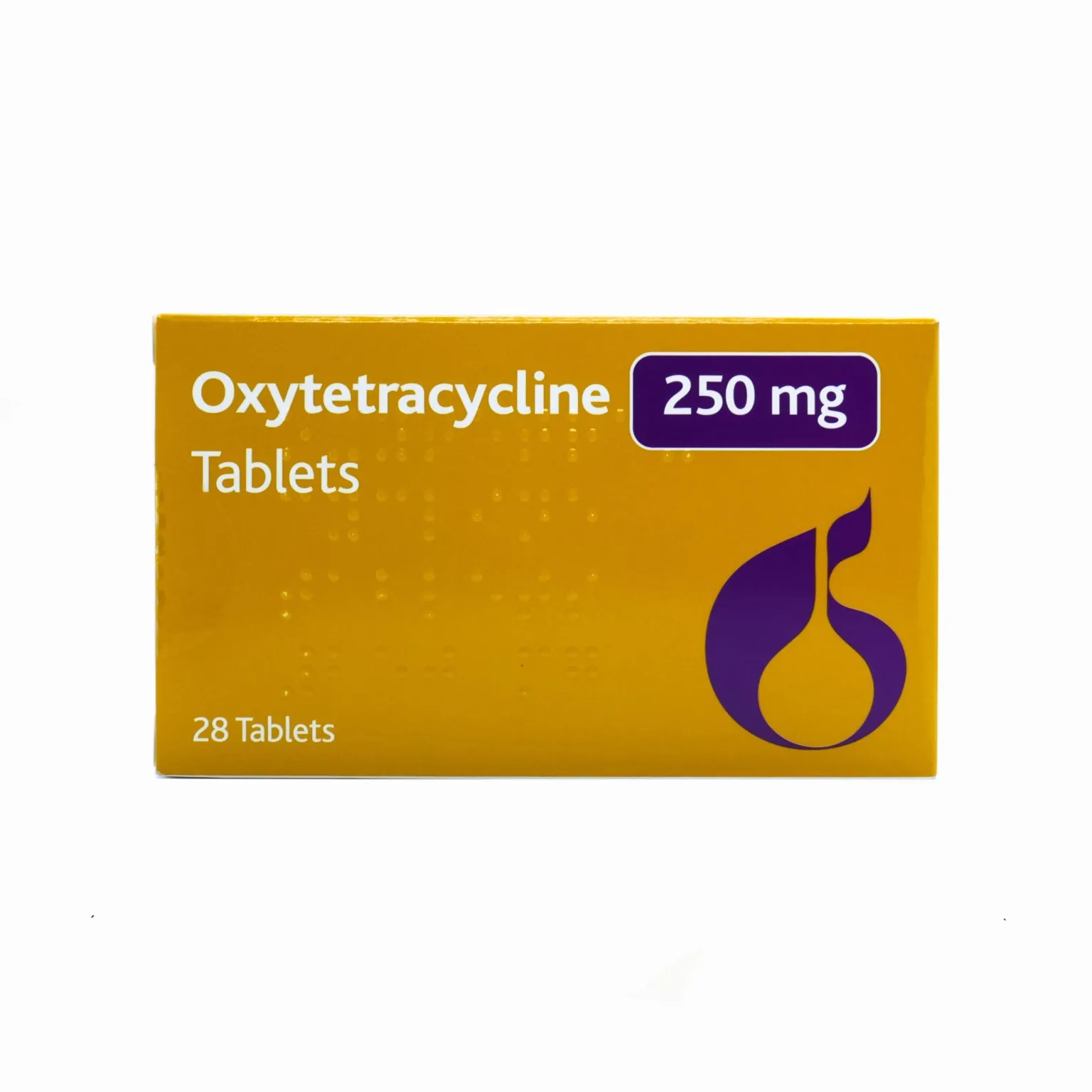
| Oxytetracycline | Antibiotic tablet (prescription) | Oxytetracycline | Twice a day on an empty stomach | An alternative to lymecycline or doxycycline | £59.99 |
| Minocin MR | Antibiotic tablet (prescription) | Minocycline | Once a day | Only when lymecycline and doxycycline aren’t suitable | £39.99 |
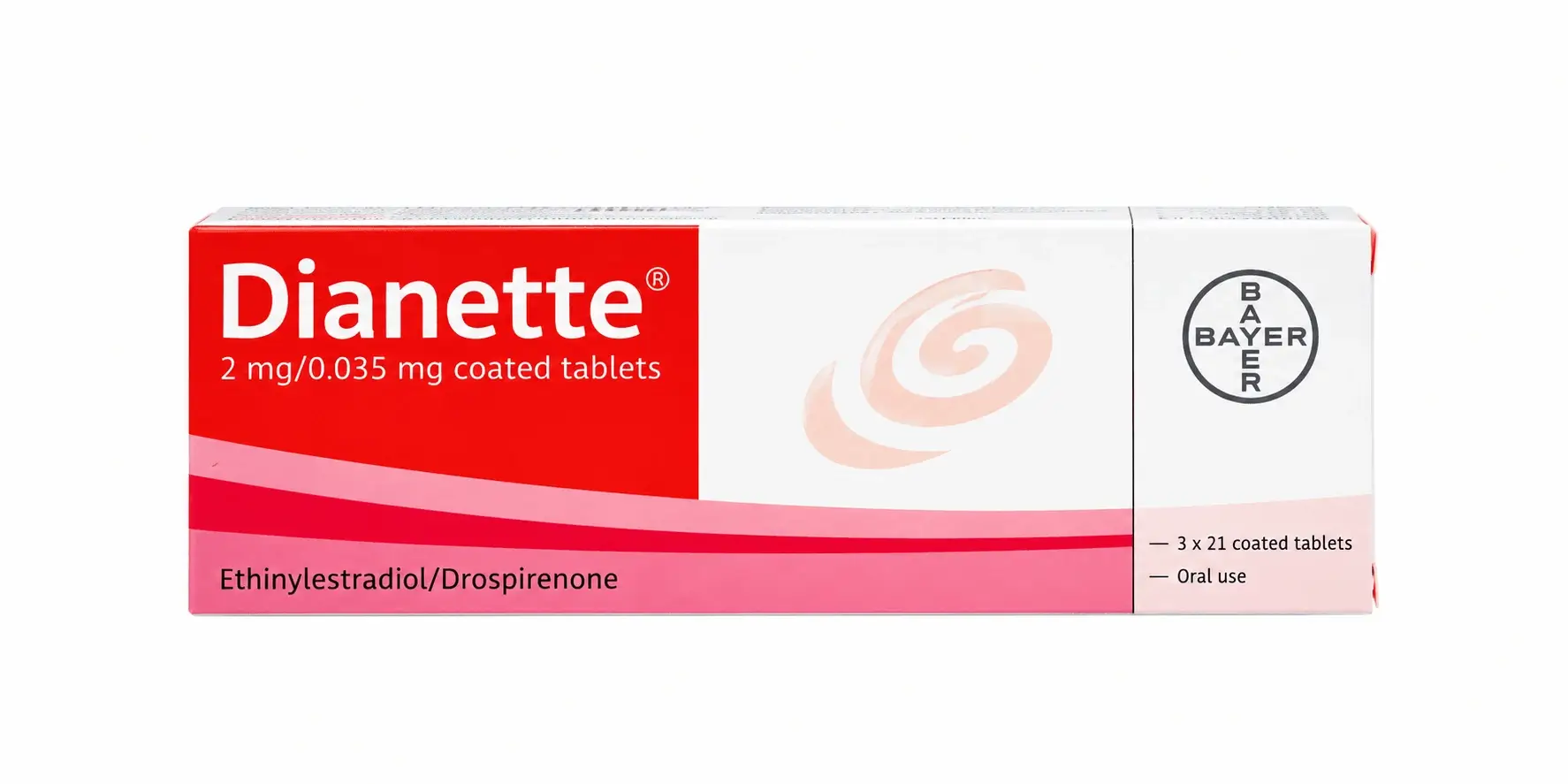
| Dianette | Hormonal tablet (prescription) | Co-cyprindiol | One a day for 21 days, then a 7-day break | Women with moderate to severe acne after other treatments; health check at every order | £21.99 |
Not sure which acne treatment you need?
Based on NICE guidance for adults. Your prescriber chooses with you, taking into account what you’ve tried before.
A retinoid cream or gel, or benzoyl peroxide. Examples: Differin, Epiduo, Acnecide.
A combined gel for 12 weeks. Examples: Epiduo, Treclin or Duac.
A combined gel with an antibiotic tablet, or azelaic acid with an antibiotic tablet. Examples: Epiduo with lymecycline or doxycycline.
A hormonal tablet, with a cream or gel. Examples: Dianette with a retinoid or benzoyl peroxide.
If dark marks persist, see your GP. NICE recommends referral to a dermatologist for acne with persistent pigmentary changes.
Specialist care. We refer you to your GP (isotretinoin is specialist only).
Antibiotic tablets (lymecycline, doxycycline, oxytetracycline and minocycline) help moderate to severe acne, but bacteria can become resistant if they’re used alone or for too long. So, in line with NICE:
they’re always used with a retinoid or benzoyl peroxide cream or gel, never on their own;
they’re never used with an antibiotic cream or gel, such as Duac, Treclin, Dalacin T or Zindaclin;
we supply 3 months at a time, and your prescriber reviews you at 12 weeks;
the course lasts no more than 6 months in total;
once your skin is clear, you carry on with a cream or gel only, to keep it clear.
Lymecycline and doxycycline are the first choice. Minocycline is only used when those aren’t suitable.
Dianette (co-cyprindiol) is a hormonal tablet licensed for women with moderate to severe acne that hasn’t improved with creams, gels or antibiotic tablets. It also works as a contraceptive, but it isn’t licensed for contraception alone, and it shouldn’t be taken with another hormonal contraceptive.
It carries a higher risk of blood clots than some contraceptive pills, so your prescriber checks your blood pressure, weight, smoking, migraines and any history of blood clots before every order, and reviews whether you still need it. It takes at least 3 months to work, and it’s stopped once your acne is under control. You can order up to 6 months at a time.
Please see your GP, rather than order online, if any of these apply:
Most treatments take 6 to 8 weeks to show a difference, and NICE reviews them at 12 weeks.
Retinoids and benzoyl peroxide often cause dryness, redness or peeling in the first few weeks. Start every other night if your skin is sensitive, and use a non-greasy moisturiser.
Retinoids and some antibiotic tablets (especially doxycycline) make skin more sensitive to sunlight. Use sunscreen.
Keep it off coloured towels, pillowcases and clothes.
Some must be taken on an empty stomach, and some shouldn’t be taken with milk, antacids or iron.
Fact: Acne treatments take 6–12 weeks to work. Expecting results in days leads people to give up too early. Consistency over weeks is what clears acne.
Fact: Topical retinoids commonly cause dryness, redness and irritation in the first few weeks. This is expected and usually settles, so it isn’t a reason to stop.
Fact: Treating the whole affected area prevents new lesions forming. Spot-treating only existing blemishes does not control acne.
Fact: Antibiotics are always combined with benzoyl peroxide or a retinoid, used for 3 to 6 months at most, and never as the only treatment, to stop bacteria becoming resistant.
Fact: Harsh or overly strong products irritate the skin and can worsen acne. The right treatment for your acne type, used consistently, matters more than strength.
For informational purposes only and does not constitute medical advice. Access Doctor is the trading name for Pharmadocs UK Ltd, a GPhC-registered online pharmacy (Registration #9011198). All prescriptions are issued by GPhC-registered pharmacist independent prescribers following a clinical assessment. Oral isotretinoin (Roaccutane) is not prescribed online and requires specialist dermatology care. In an emergency, call 999.
Yes, if you’re 18 or over. Complete a short online consultation, and a GPhC-registered pharmacist independent prescriber reviews it and recommends a suitable cream, gel or tablet. We don’t supply acne treatment in pregnancy or while breastfeeding.
It depends on your acne. NICE recommends a 12-week course of a combined gel as the first treatment: adapalene with benzoyl peroxide (Epiduo), tretinoin with clindamycin (Treclin), or benzoyl peroxide with clindamycin (Duac). For moderate to severe acne, an antibiotic tablet such as lymecycline or doxycycline is added to a retinoid or benzoyl peroxide gel. Your prescriber will recommend what suits you.
Most acne treatments take 6 to 8 weeks to make a difference, and NICE reviews treatment at 12 weeks. Retinoids often cause dryness and irritation in the first few weeks, which usually settles. Keep going unless your prescriber advises otherwise.
Using an antibiotic on its own, as a cream or a tablet, can make bacteria resistant to it. Combining it with benzoyl peroxide or a retinoid lowers that risk and works better. That’s why we always supply antibiotic tablets with a retinoid or benzoyl peroxide cream or gel.
No. Isotretinoin (Roaccutane) can only be prescribed and monitored by a consultant dermatologist, because of its side effects and strict pregnancy prevention requirements. If your acne is severe or scarring, see your GP, who can refer you.
Some acne treatments aren’t safe in pregnancy, including retinoids and tetracycline antibiotics such as doxycycline and lymecycline. We don’t supply acne treatment online if you’re pregnant, trying for a baby or breastfeeding, so please speak to your GP or midwife.
Acne is a chronic condition, so it can return when treatment stops, particularly if the underlying drivers (hormones, genetics) are still active. Many people use a maintenance topical treatment long-term to keep acne under control. Your prescriber can advise on a maintenance plan once your acne has cleared.
Often yes — combination treatment is frequently more effective than a single product. However, combining too many active treatments (or applying them incorrectly) can cause excessive irritation. Follow your prescriber's regimen rather than layering multiple products on your own.
Some, yes. Benzoyl peroxide (such as Acnecide) is a pharmacy medicine and doesn’t need a prescription. Combined gels such as Epiduo, Treclin and Duac, and antibiotic tablets, are prescription-only, so you’ll need an online consultation with a pharmacist prescriber or a GP appointment.
For up to 6 months in total. We supply 3 months at a time, and your prescriber reviews you at 12 weeks. Antibiotic tablets are always used with a retinoid or benzoyl peroxide cream or gel, and once your skin is clear you carry on with the cream or gel alone.
Up to 3 months of antibiotic tablets, and up to 3 months of a cream or gel for your first course. After a review, you can order up to 6 months of a cream or gel. Dianette can be ordered for up to 6 months at a time.
No, our online acne service is for adults 18 and over. Teenagers with acne should see a pharmacist or their GP, who can recommend and prescribe treatment.
Yes, if you’re a woman with moderate to severe acne that hasn’t improved with creams, gels or antibiotic tablets. Dianette carries a higher risk of blood clots than some pills, so your prescriber checks your health before every order. It isn’t used for contraception alone, and it’s stopped once your acne is under control.
Helpful reads related to this treatment area.
Complete a short online consultation. A GPhC-registered pharmacist prescriber will check it’s safe to supply, and we’ll dispatch your treatment from our UK pharmacy. GPhC pharmacy #9011198.