

How it spreads
Impetigo is caused by bacteria (usually Staphylococcus aureus or Streptococcus pyogenes) and spreads easily through direct skin contact or shared towels and bedding.
Impetigo at school and how it spreads
Our friendly team is available to help Monday to Friday 9:00am – 5:00pm.
If you need urgent assistance, do not use this service. Call 111, or in an emergency call 999.

Treatment for impetigo and small bacterial skin infections, such as an infected cut, graze or insect bite. Most small infections clear in about a week with the right cream. Answer a few questions and a UK pharmacist prescriber will recommend an antiseptic or antibiotic cream that suits you. For adults aged 18 and over.
A 2-minute consultation about the infection, where it is and how you feel
We check your answers and recommend the right cream, following NICE guidance
Dispatched from our UK pharmacy in plain packaging by Royal Mail Tracked 48, Tracked 24 or Special Delivery
Bacterial skin infections happen when bacteria, usually Staphylococcus aureus or Streptococcus, get into the skin through a cut, graze, bite, hair follicle or patch of broken skin. Small, localised infections can usually be treated with a cream applied to the skin. Infections that are spreading, deep or making you feel unwell need antibiotic tablets from a doctor.
Impetigo is the most common bacterial skin infection. It typically appears as golden, honey-coloured crusted patches (the most common type, “non-bullous” impetigo), or less often as fluid-filled blisters that burst and crust over (“bullous” impetigo). It spreads easily through direct skin contact or shared towels and bedding, so good hygiene is an important part of treatment alongside any cream. Our impetigo guide explains the symptoms and causes in more detail.
Most cases are mild and clear within about a week of treatment. If impetigo or boils keep coming back, it can be linked to carrying Staph aureus in the nose: our nasal infections treatment page covers nasal decolonisation.
Often around the nose and mouth, but can appear anywhere on the body.
Sores that burst and develop a golden-yellow, honey-coloured crust.
Is it impetigo?Itching or soreness at the affected site.
In bullous impetigo, larger, fluid-filled blisters that are more fragile and burst more easily.
Increasing redness, swelling, warmth and pain around the wound after the first day or two, sometimes with yellow pus or crusting.
Small red or white-headed spots around hairs, which can be itchy or sore.
A red, swollen and tender nail fold, often after a hangnail, nail biting or a manicure.
Impetigo is caused by bacteria (usually Staphylococcus aureus or Streptococcus pyogenes) and spreads easily through direct skin contact or shared towels and bedding.
Impetigo at school and how it spreadsRecurrent impetigo can sometimes be linked to ongoing Staph aureus carriage in the nose. If this applies to you, our Nasal Infections treatment page covers decolonisation treatment.
Nasal infections treatmentCuts, grazes, scratched insect bites, shaving and dry or cracked skin let bacteria in. Eczema makes skin infections more likely.
Infected insect bitesEczema that becomes weepy, crusted or suddenly worse may be infected. It’s treated with a steroid and antibiotic cream such as Fucidin H.
Creams for infected eczemaOur prescribers can treat small, localised bacterial skin infections in adults who otherwise feel well.
Not treated online: spreading redness or red streaks, boils or abscesses, animal or human bites, burns, wounds from a recent operation, infected wounds on the feet with diabetes, and any infection with a fever. See your GP, or NHS 111 the same day.
Golden crusted patches or small blisters, often around the nose and mouth. Hydrogen peroxide cream first, then an antibiotic cream.
Impetigo treatments comparedA small wound that’s become red, sore, warm or weepy. Treated with an antibiotic cream such as fusidic acid or mupirocin.
Fucidin CreamA bite that’s scratched open and become crusted or weepy. Most bite swelling is a reaction, not infection. Bites that may need antibiotic tablets are assessed on our insect bites page.
Insect bite treatmentA few infected hair follicles on the body.
Mild redness and swelling of the nail fold, without a collection of pus.
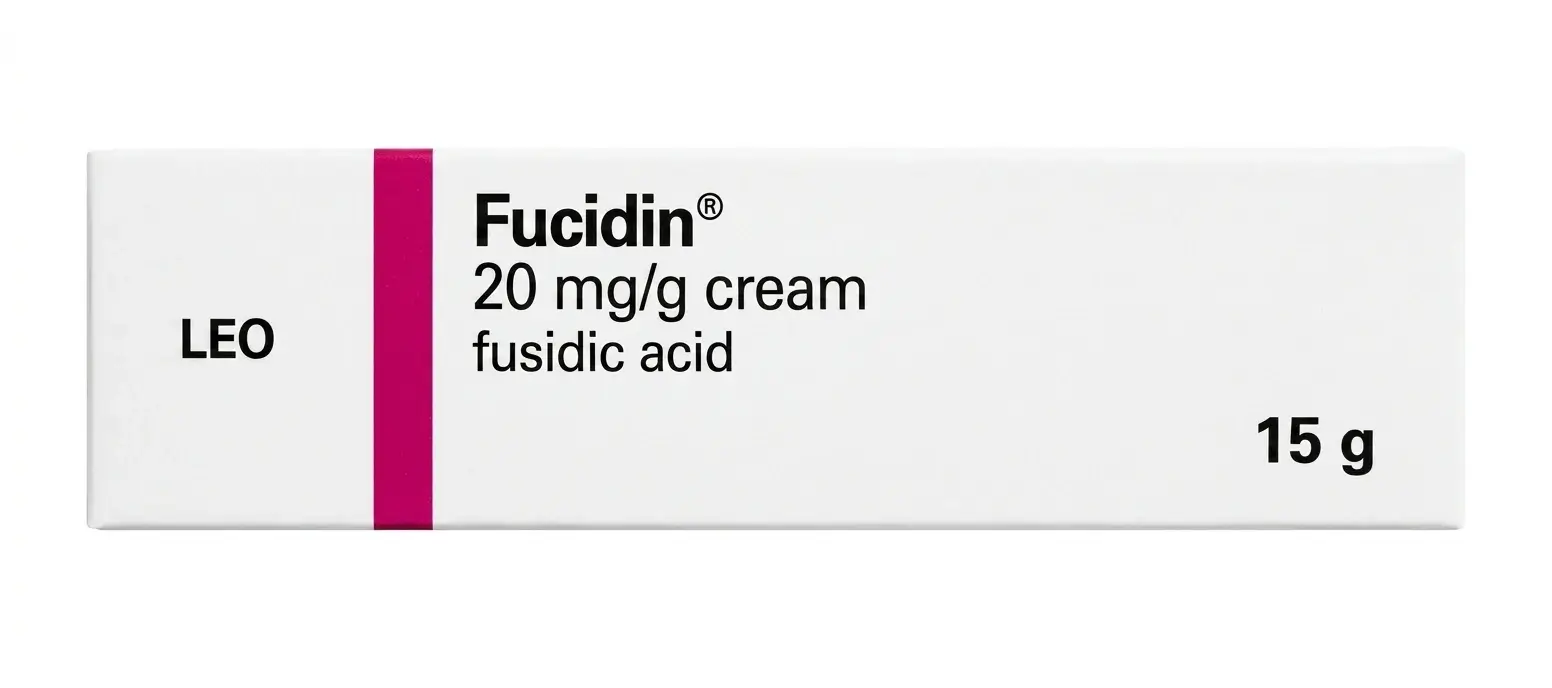
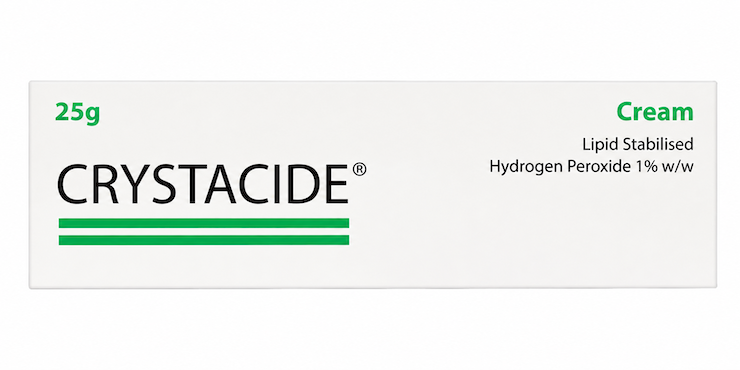
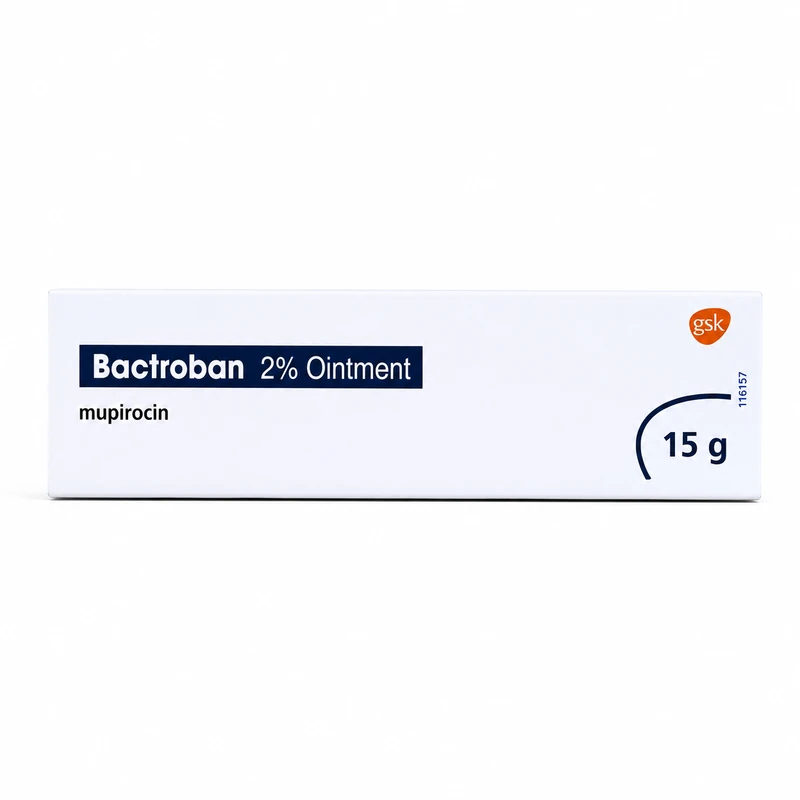
We follow NICE guidance. For impetigo, Crystacide (hydrogen peroxide 1% cream) comes first, then an antibiotic cream if it isn’t suitable or hasn’t worked. For infected cuts, grazes and bites, an antibiotic cream is used for 5 to 7 days. A GPhC-registered prescriber confirms the right option for you.

| Treatment | Best for | How it works | Notes |
|---|---|---|---|
| Crystacide (hydrogen peroxide 1% cream) | First choice for a few small patches of non-bullous impetigo, if you’re otherwise well | Antiseptic cream (not an antibiotic) | 2 to 3 times a day for 5 days. Not near the eyes |
| Fusidic acid 2% cream (Fucidin) | Impetigo when Crystacide isn’t suitable or hasn’t worked; infected cuts, grazes, bites and hair follicles | Antibiotic cream | 3 times a day for 5 to 7 days |
| Mupirocin 2% ointment (Bactroban) | Impetigo when fusidic acid resistance or MRSA is suspected | Antibiotic ointment | 3 times a day for 5 days |
| Mupirocin 2% cream (Bactroban) | Infected cuts, grazes and small wounds, including MRSA | Antibiotic cream | 3 times a day, usually 5 to 7 days (no more than 10) |
| Steroid and antibiotic cream (Fucidin H, Fucibet) | Infected eczema | Antibiotic plus steroid | On our eczema page |
| Oral flucloxacillin | Spreading infection (cellulitis), widespread or bullous impetigo, or feeling unwell | Antibiotic tablets | Not supplied online: see your GP |
| Oral clarithromycin | As above, with a penicillin allergy | Antibiotic tablets | Not supplied online: see your GP |
Not sure which option is right for you?
Seek urgent medical care instead of using this service if you notice any of the following:
Related reading on skin and nasal infections.
What impetigo looks like, how it spreads and how it’s treated.
Read guideHydrogen peroxide cream, fusidic acid and mupirocin: which is best?
Read guideHow to tell impetigo from cold sores, eczema and other rashes.
Read guideHow long it’s contagious and when to go back.
Read guideWhen an insect bite is infected and needs treatment.
Read guideIf impetigo keeps coming back, ongoing Staph aureus carriage in the nose may be a factor — see our Nasal Infections page for decolonisation treatment.
Read guideAnswers to common questions about impetigo, infected cuts and bites, and antibiotic creams.
Yes, if you’re 18 or over with impetigo or a small infected cut, graze, bite or patch of skin, and you otherwise feel well. Answer a short consultation and a GPhC-registered prescriber recommends the right cream, posted from our UK pharmacy. Spreading infection, boils, animal bites or feeling unwell need a GP.
UK guidance (NICE) recommends hydrogen peroxide 1% cream (Crystacide) first for small patches of non-bullous impetigo. If it isn’t suitable, for example near the eyes, or hasn’t worked, fusidic acid cream is used, and mupirocin if resistance is suspected.
For a small infected cut, graze or bite, fusidic acid 2% (Fucidin) and mupirocin 2% (Bactroban) both work against the bacteria that usually cause skin infections. Mupirocin is kept for infections that may be resistant to fusidic acid, including MRSA. A prescriber chooses based on the infection and what you’ve used before.
Antibiotic creams, no. Antibiotic creams such as fusidic acid and mupirocin are prescription-only. Crystacide hydrogen peroxide 1% cream for impetigo is a pharmacy medicine, so a pharmacist can supply it without a prescription. Our online consultation means a prescriber can review you without a GP appointment.
Signs of infection are increasing redness, swelling, warmth and pain after the first day or two, pus or yellow crusting, and the area getting worse rather than better. Redness spreading out from the wound, red streaks or a fever need a doctor the same day.
For small patches of impetigo, NICE recommends hydrogen peroxide 1% cream first because it can work as well as an antibiotic cream without adding to antibiotic resistance. Antibiotic creams are kept for when it isn’t suitable or hasn’t worked.
Most small infections start to improve within 2 to 3 days and clear within about a week. Use the cream for the full course. If it isn’t improving after 5 days, or is getting worse, you need a review.
Until the patches have dried, crusted and healed, or until 48 hours after starting antibiotic treatment. Keep patches covered, don’t share towels and wash your hands after touching the skin.
UK guidance is to stay off school, nursery or work until the patches have crusted over and healed, or for 48 hours after starting antibiotic treatment. Jobs involving food or close contact may have stricter rules.
Not for impetigo. Antibiotic tablets are needed for spreading infections such as cellulitis, widespread or blistering impetigo, animal bites, or if you feel unwell, and these need a GP assessment. This service supplies creams for small, localised infections. An infected insect bite that may need tablets is assessed through our insect bites service.
No. A boil or abscess often needs to be drained, and may need antibiotic tablets, so see your GP. A warm compress can help a small boil come to a head. Don’t squeeze it.
Our online service is for adults aged 18 and over. Children with impetigo can usually be treated by a pharmacist (in England through Pharmacy First, for ages 1 and over) or their GP.
Repeated impetigo or boils can be linked to carrying Staph aureus bacteria in the nose, which reinfects the skin. A GP may suggest a swab and nasal decolonisation treatment. We don’t supply a repeat course within 3 months without a GP review.
Don’t scratch or pick crusts, keep the area clean and covered, wash your hands often, and don’t share towels, flannels, razors or bedding. Wash towels and bedding at a high temperature.
No. Impetigo is a skin infection. But the same bacteria (Staph aureus) can live in the nose without causing symptoms, and that can lead to impetigo coming back. If that’s suspected, nasal decolonisation treatment may help.
With your consent, yes. We can tell your GP surgery about your consultation and any treatment supplied.
Helpful reads related to this treatment area.
Answer a few questions about your skin and a GPhC-registered prescriber will recommend the right cream for you. Approved before 3pm, Monday to Friday? Dispatched the same day by Royal Mail Tracked 48, Tracked 24 or Special Delivery guaranteed by 1pm next working day.