

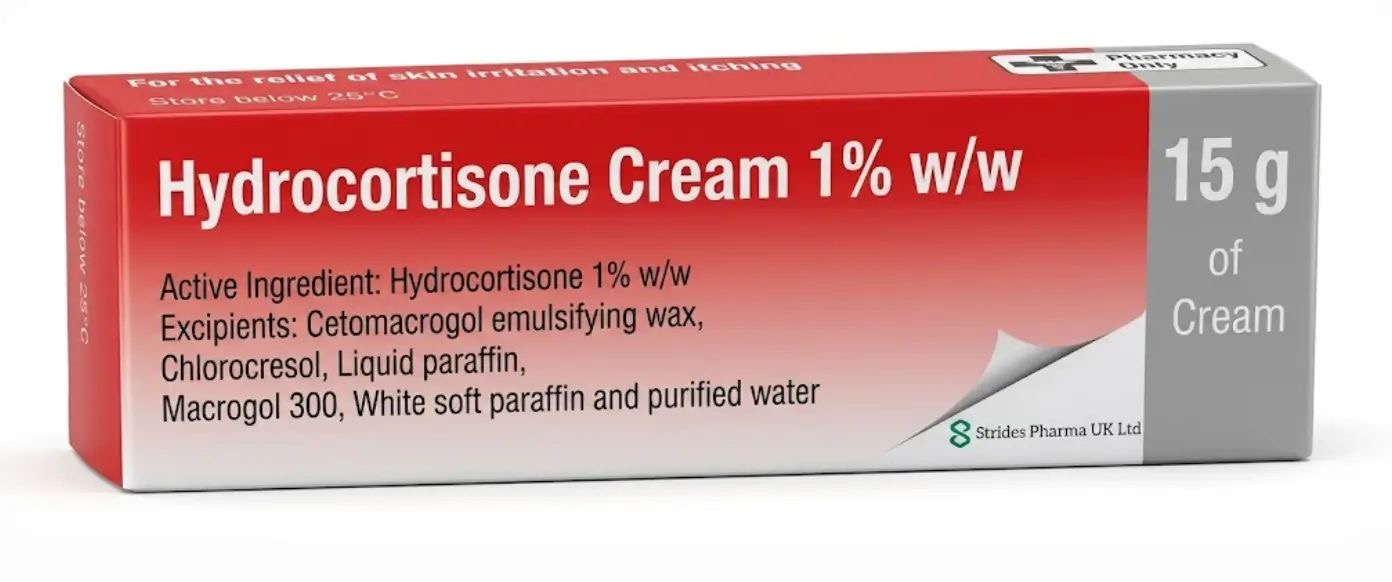
Hydrocortisone 1% Cream & Ointment
From £6.99

Our friendly team is available to help Monday to Friday 9:00am – 5:00pm.
If you need urgent assistance, do not use this service. Call 111, or in an emergency call 999.

Get insect bite and sting treatment prescribed online without a GP appointment. Antihistamines, hydrocortisone and steroid creams, antibiotic creams such as Fucidin, and oral antibiotics such as Flucloxacillin prescribed by UK clinicians. Complete a 2–minute online consultation — if suitable, your treatment is dispatched the same day in plain packaging.
| Treatment type | How it works | Best for | Price from |
|---|---|---|---|
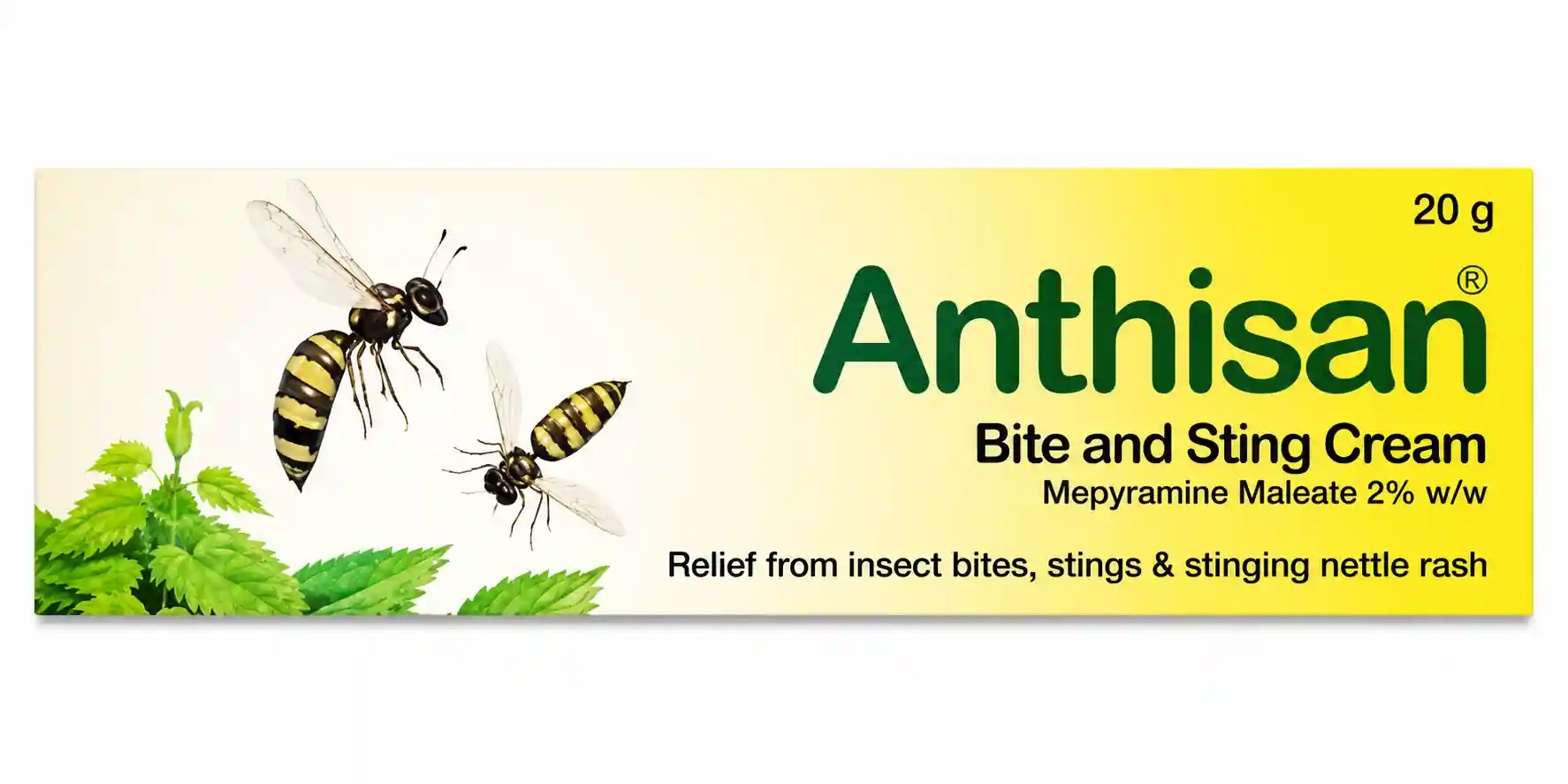
| Antihistamine (tablets / cream) | Reduces itching, swelling and allergic reaction | Itchy bites and stings, multiple bites | £7.99 (Recommended) |
| Hydrocortisone cream (mild steroid) | Calms inflammation and itching | Mild localised reactions, small areas | £8.99 |
| Potent steroid cream (e.g. Betnovate) | Stronger anti-inflammatory effect | Larger or more inflamed reactions | £14.99 |
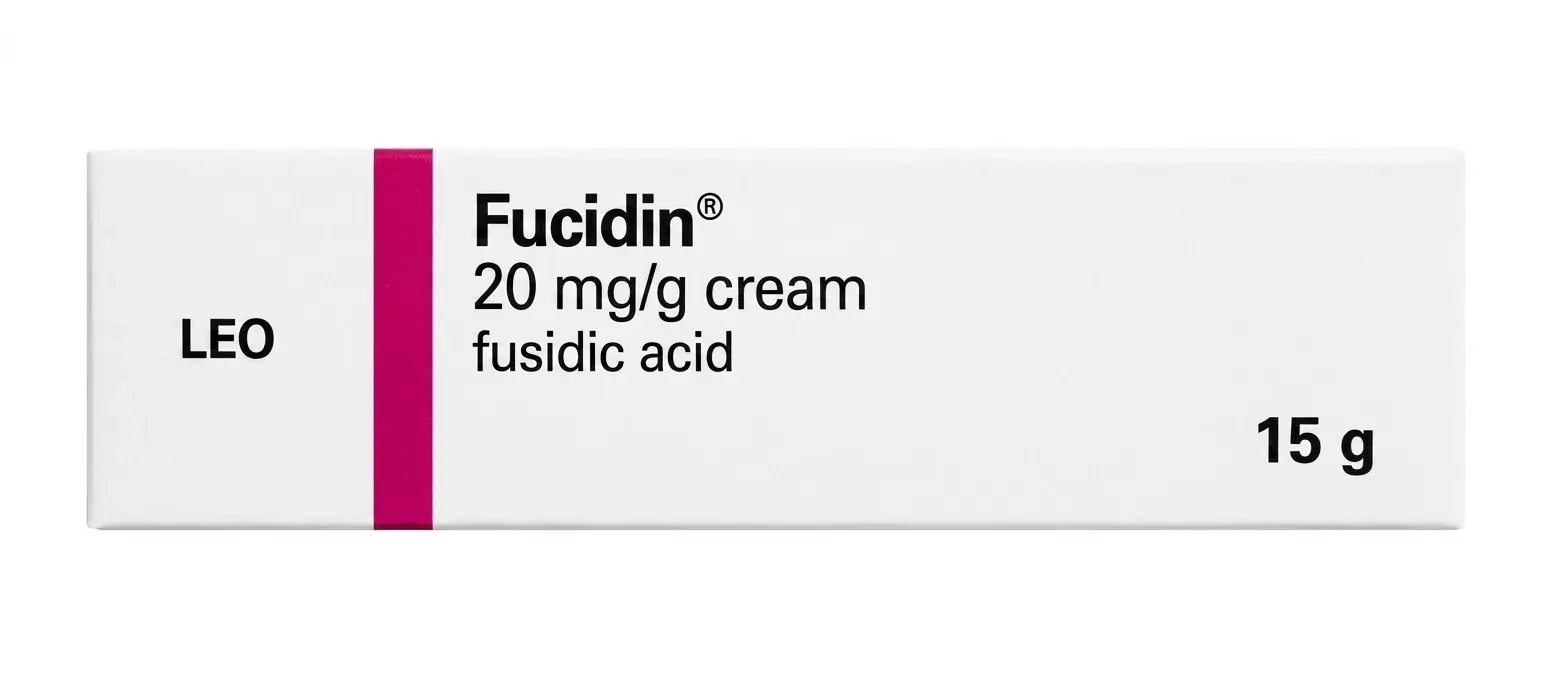
| Topical antibiotic cream (e.g. Fucidin) | Treats bacterial infection from scratching | Infected bites (weeping / crusting) | £12.99 |
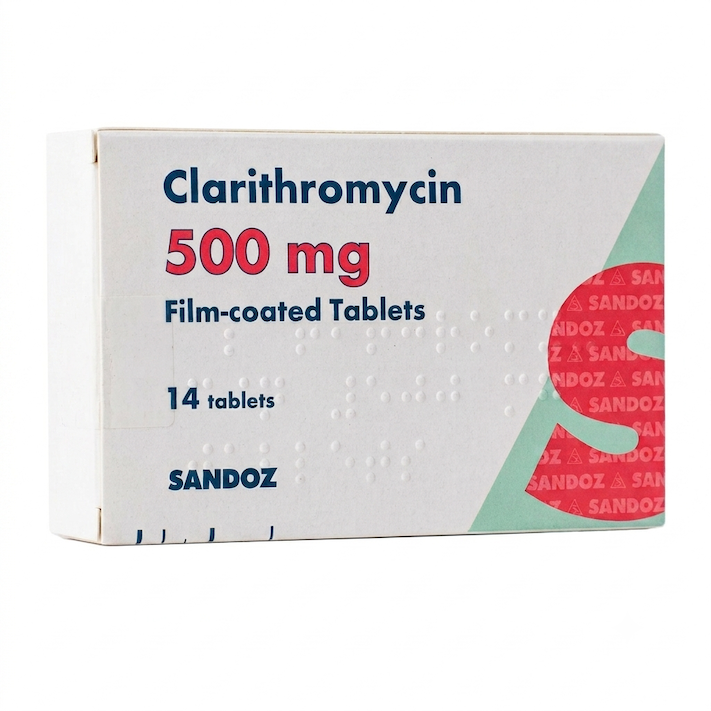
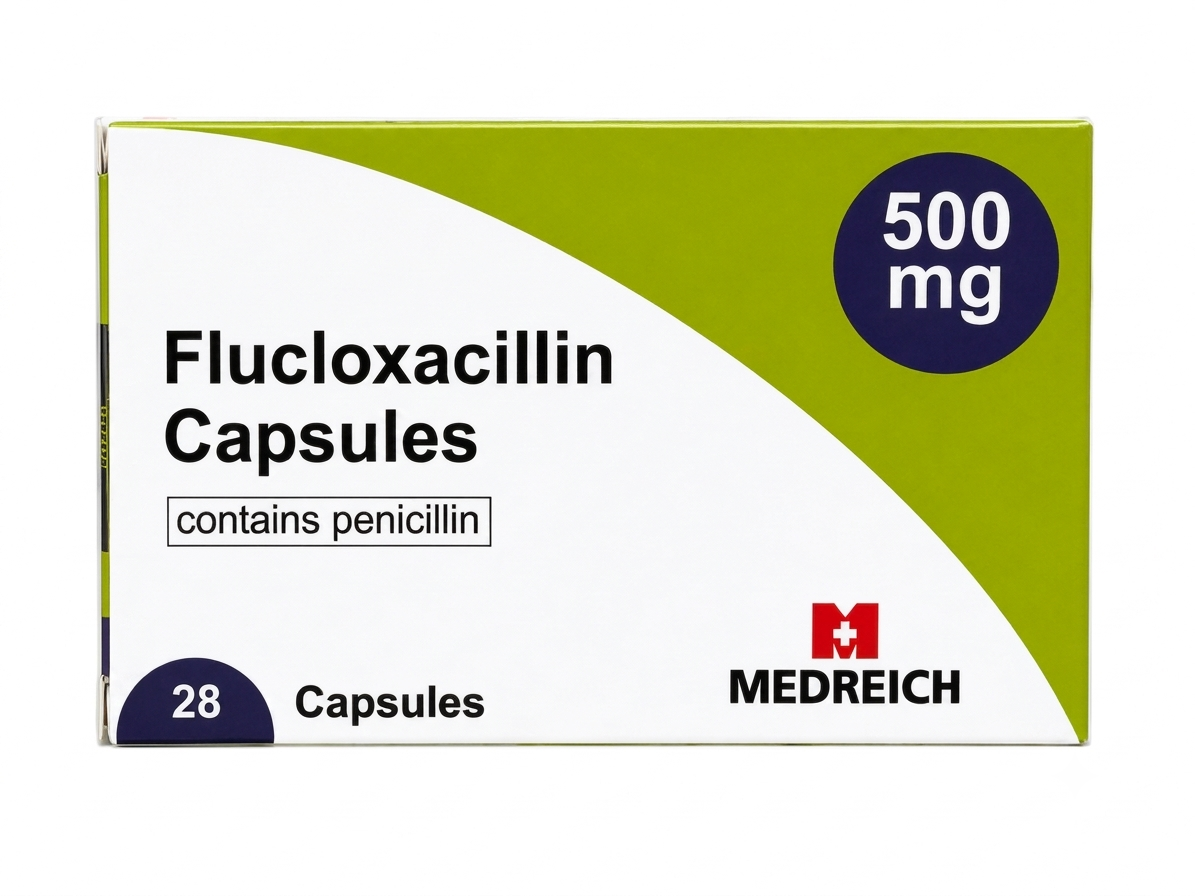
| Oral antibiotic (e.g. Flucloxacillin) | Treats infection that has spread below the skin | Infected bites with cellulitis or spreading redness | £24.99 |
Not sure which insect bite treatment is right for you? A UK clinician will recommend the right option
Complete a short consultation describing your bite or sting, where it is, and how it's affecting you.
A UK prescriber checks whether treatment is clinically safe and appropriate for you.
If approved, your treatment is dispensed and delivered in plain packaging.
Myths about insect bites can lead to ineffective home remedies, unnecessary worry, and delays in treating an infected bite. Here are some common misunderstandings.
Antiseptics help keep a bite clean, but they don't relieve itching or treat an established infection. Antihistamines ease itching and swelling, while a topical antibiotic such as Fucidin is used if the bite becomes infected.
Used correctly — the right strength, on the right area, for a short course — hydrocortisone and stronger steroid creams are safe and effective at calming the reaction. Your prescriber will specify the correct option and how long to use it.
Most insect bites are not infected and settle on their own. Infection is more likely if you scratch and break the skin. See a clinician if a bite becomes increasingly red, swollen, painful, or starts weeping.
Prescription treatments calm the reaction and treat infection. A few simple steps help most insect bites settle and prevent them getting worse.
Avoid scratching. Scratching damages the skin, makes itching worse, and can let in infection. Keep fingernails short and clean.
Relieve the itch. An antihistamine and/or a hydrocortisone or steroid cream can ease itching and swelling — follow the directions provided with your treatment.
Watch for infection. If the bite becomes increasingly red, swollen, painful, or starts weeping, a topical antibiotic such as Fucidin may be needed. If the infection spreads or you feel unwell, a clinician may prescribe an oral antibiotic such as Flucloxacillin — speak to a clinician.
During your consultation, a clinician will match the right treatment to your symptoms — an antihistamine for itching, a steroid cream to calm inflammation, an antibiotic cream such as Fucidin for a surface infection, or an oral antibiotic such as Flucloxacillin if the infection has spread. Start your free consultation and we'll recommend the right option for you.
If an insect bite becomes infected and the infection spreads beyond the skin surface, a topical antibiotic cream may not be enough. In these cases, a clinician may prescribe a course of oral antibiotics. The right choice depends on your symptoms, medical history, and any allergies.
Flucloxacillin. This is the antibiotic most commonly prescribed for an infected insect bite, as it targets the Staphylococcus and Streptococcus bacteria that usually cause skin infections (cellulitis). It is typically taken four times a day for five to seven days. It is not suitable for people with a penicillin allergy.
Clarithromycin or Erythromycin. These macrolide antibiotics are usually offered as an alternative when you are allergic to penicillin. They cover similar skin bacteria and are a common second choice for treating an infected bite.
Always complete the full course as prescribed, even if the bite starts to improve, and tell the clinician about any allergies or other medicines you take. Seek urgent medical help if you develop a rapidly spreading rash, fever, feel very unwell, or notice a red streak spreading from the bite, as these can be signs of a serious infection.
Antibiotics are not always the answer. They only work against bacterial infections, so they will not help an insect bite that is simply itchy, red, or swollen without infection — these usually settle with antihistamines or steroid creams instead. Taking antibiotics when they are not needed can cause side effects and contributes to antibiotic resistance, where bacteria stop responding to treatment and infections become harder to treat for everyone. To support responsible use, our clinicians only prescribe antibiotics when there are clear signs of infection.
Common questions about insect bite and sting treatment answered
Antihistamines (tablets or cream) and a mild steroid cream such as hydrocortisone are the most effective ways to relieve itching from an insect bite. A cold compress also helps. Avoid scratching, as this can damage the skin and lead to infection. If itching is severe or not settling, a clinician can recommend a stronger treatment.
Yes. Mild steroid creams like hydrocortisone and stronger options can be prescribed online through Access Doctor after a short consultation. A UK clinician reviews your answers and, if appropriate, issues a prescription that is dispatched the same day.
If a bite becomes infected — increasingly red, swollen, painful, or weeping — a topical antibiotic cream such as Fucidin (fusidic acid) may be needed. Infection should be assessed by a clinician, who can confirm whether an antibiotic cream is appropriate or whether oral antibiotics are required.
Antihistamines can help reduce the itching, swelling and allergic-type reaction caused by insect bites and stings. They are particularly useful for multiple bites or a strong itchy reaction. Both tablets and creams are available; a clinician can advise which is most suitable for you.
Signs of an infected bite include spreading redness, increasing pain or swelling, warmth, pus or weeping, and sometimes a fever or feeling unwell. If you notice these signs, speak to a clinician promptly, as a topical or oral antibiotic may be needed.
Seek urgent help (call 999) for signs of a severe allergic reaction such as difficulty breathing or swelling of the face or throat. See a clinician if a bite becomes infected, a rash spreads, you develop a fever, or symptoms are not improving after a few days.
If your consultation is approved before 3pm on a working day, your treatment is typically dispatched the same day with next-day delivery. Everything arrives in plain, discreet packaging.
Helpful reads related to this treatment area.
Start a short online consultation and our clinical team will review whether treatment is suitable for you.