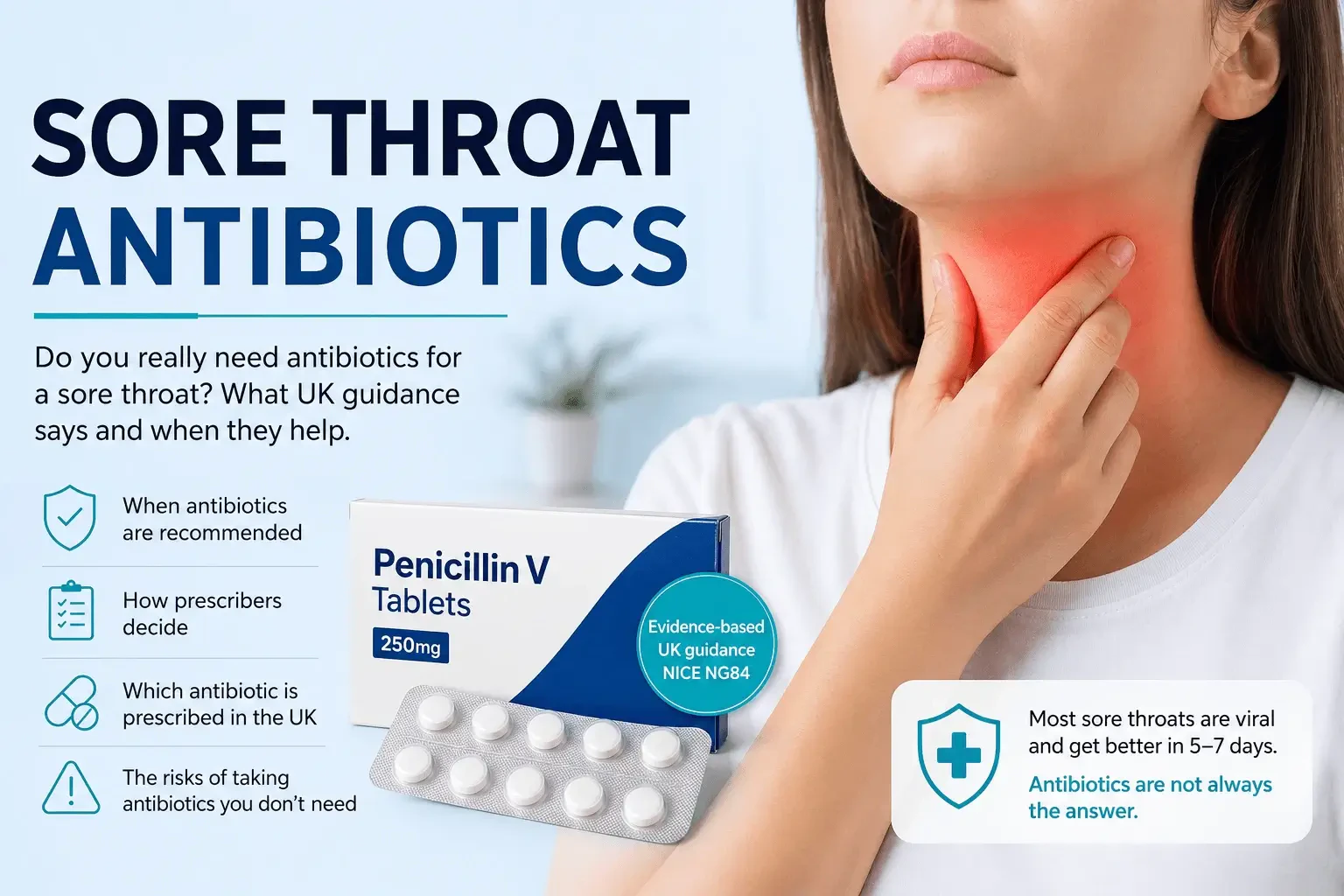

Viral infections (most common)
Colds, flu and other viruses cause most sore throats. These don't respond to antibiotics and usually clear within a week with self-care and OTC relief.

Our friendly team is available to help Monday to Friday 9:00am – 5:00pm.
If you need urgent assistance, do not use this service. Call 111, or in an emergency call 999.

Buy sore throat treatment online and get fast, effective relief delivered discreetly across the UK — from soothing lozenges and sprays to prescription antibiotics for infected sore throats. Complete a short online consultation — no GP appointment or surgery visit needed — and a GPhC-registered pharmacist prescriber will recommend a suitable option where appropriate.
A sore throat (pharyngitis) is pain, scratchiness or irritation of the throat that often feels worse when you swallow. It is one of the most common reasons people visit a pharmacy, and the vast majority of cases are caused by viruses and clear up on their own within a week.
Most sore throats follow a cold or flu and settle with simple self-care and over-the-counter relief such as lozenges, anaesthetic sprays and pain relief. A smaller number are caused by a bacterial infection — most commonly streptococcal bacteria ("strep throat") — which can cause a more severe, infected sore throat with swollen tonsils, white patches, fever and swollen glands. These cases may benefit from a prescription antibiotic.
Most sore throats are caused by viruses, but knowing the likely cause helps determine whether you need simple relief or a prescription treatment for an infected sore throat.
Colds, flu and other viruses cause most sore throats. These don't respond to antibiotics and usually clear within a week with self-care and OTC relief.
Strep throat and tonsillitis are caused by bacteria and may bring fever, white patches on the tonsils and swollen glands. A prescriber may recommend an antibiotic.
Smoking, dry air, allergies, acid reflux and shouting or singing can all irritate the throat and cause soreness without an infection being present.
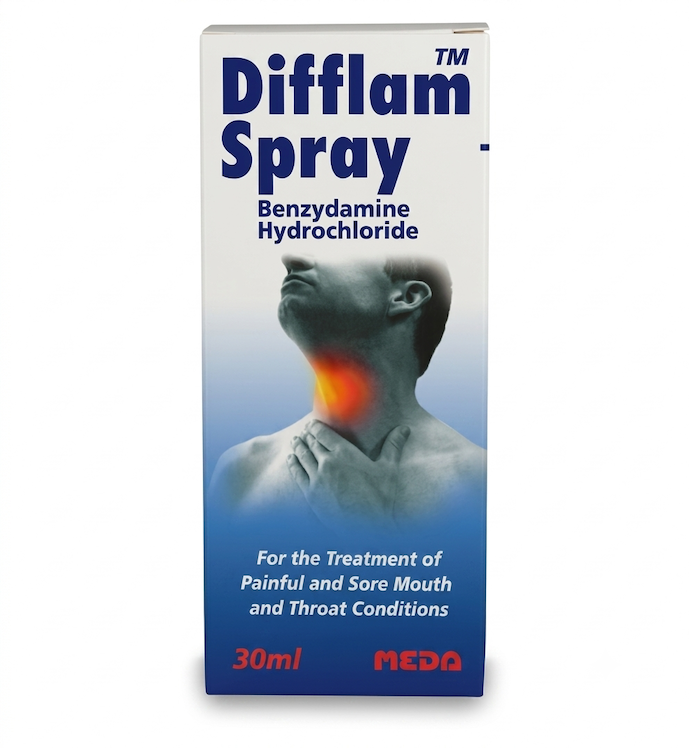
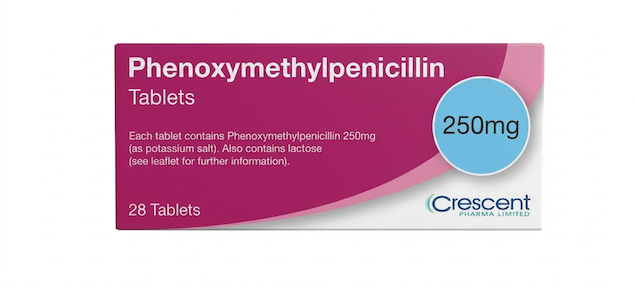
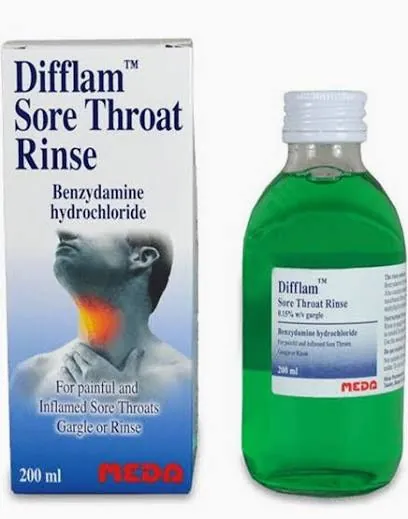
The right treatment depends on the cause and severity of your sore throat. Many people improve with simple over-the-counter relief such as lozenges, sprays and pain relief, while a pharmacy-only (P) anaesthetic spray can ease more troublesome pain. For a confirmed or suspected bacterial (infected) sore throat, a prescriber may recommend a prescription-only (POM) antibiotic. Prices below start with the most affordable, recommended first-line choice.
| Treatment | Type | Best for | From price |
|---|---|---|---|
| Paracetamol / Ibuprofen | OTC | First-line pain and fever relief | from £4.99 · Recommended |
| Anaesthetic throat spray | P (Pharmacy) | Numbing more painful sore throats | from £7.99 |
| Phenoxymethylpenicillin | POM | Confirmed or suspected strep throat | from £12.99 |
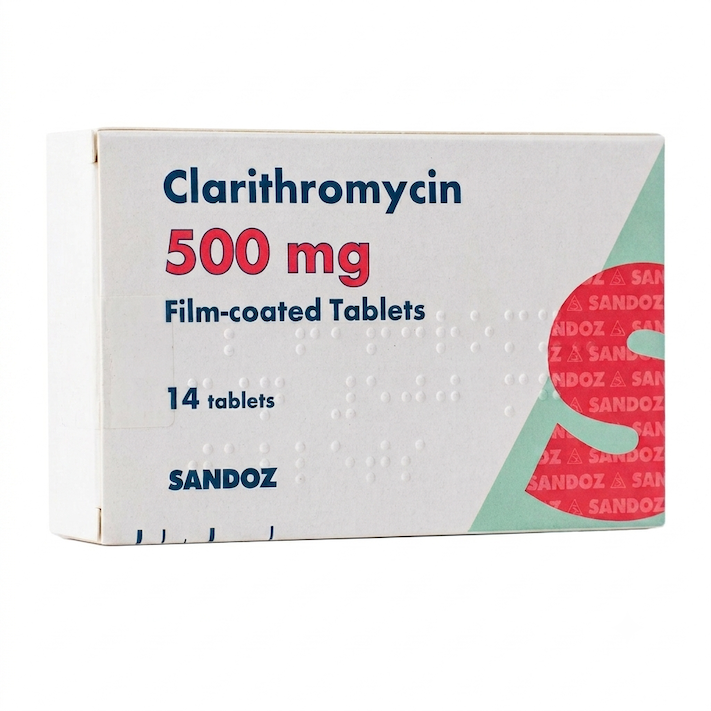
| Clarithromycin | POM | Infected sore throat (penicillin allergy) | from £12.99 |
Not sure which treatment is right for you?
Most sore throats are mild and settle on their own. However, you should seek urgent medical help — call 999 or go to A&E — if you or someone else experiences any of the following:
There are plenty of misconceptions about sore throats. Here are the facts behind some of the most common myths.
Fact: Most sore throats are viral and won't respond to antibiotics. They're only helpful for bacterial infections like strep throat, which is why a prescriber assesses your symptoms first.
Fact: Strep is just one cause. Without fever, swollen glands and white patches, a sore throat is far more likely to be viral and to clear up on its own.
Fact: While most sore throats are self-limiting, simple measures and OTC remedies like lozenges, sprays and pain relief can ease symptoms and help you feel more comfortable while you recover.
While your sore throat settles, these simple steps can help ease discomfort and support your recovery:
Drink plenty of cool or warm fluids and get enough rest. Avoid anything too hot, which can irritate the throat further.
Suck on lozenges, ice cubes or hard sweets, and try gargling with warm, salty water to ease soreness.
Paracetamol or ibuprofen can ease pain and reduce fever. A pharmacist can recommend medicated lozenges or an anaesthetic spray if needed.
Stay away from smoke and smoky places, and consider a humidifier or bowl of water to keep the air from becoming too dry.
Explore our in-depth guides for more on understanding sore throats, easing symptoms at home, and knowing when antibiotics are needed.
Answers to the questions people most often ask about sore throats, infected sore throats and treatment options.
It can be hard to tell, but a bacterial (infected) sore throat is more likely if you have a sudden, severe sore throat with fever, swollen neck glands and white patches or pus on the tonsils — and no cough or runny nose. Viral sore throats usually come with cold or flu symptoms. A pharmacist prescriber reviews your symptoms during a short online consultation to help work out the likely cause and whether antibiotics are appropriate.
Antibiotics are prescription-only medicines, so they can't simply be bought over the counter. You can, however, request treatment online: complete a short consultation and a GPhC-registered pharmacist prescriber will review your symptoms. If a bacterial infection is likely and an antibiotic is appropriate, it can be prescribed and dispensed for discreet UK delivery. Many sore throats won't need antibiotics at all.
Most sore throats improve within three to seven days and clear up on their own without antibiotics. If your sore throat lasts longer than a week, keeps returning, or is severe and getting worse, it's worth seeking advice from a pharmacist or GP.
For most sore throats, simple over-the-counter relief works well: paracetamol or ibuprofen for pain and fever, plus soothing lozenges or an anaesthetic spray. A pharmacy-only (P) spray can help with more painful symptoms. Antibiotics are only the best choice for the smaller number of confirmed or suspected bacterial infections. The right option depends on your symptoms, which a prescriber will assess.
See a doctor if your sore throat lasts more than a week, keeps coming back, or comes with a very high temperature, swollen glands or difficulty swallowing. Get urgent help (call 999 or go to A&E) if you have trouble breathing or swallowing, are drooling, or make a high-pitched sound when breathing.
A sore throat can be a symptom of tonsillitis (inflamed tonsils) or strep throat (a bacterial infection), but it's far more often part of a simple viral cold. Tonsillitis and strep are more likely when you also have fever, swollen glands and white patches on the tonsils. A short consultation helps a prescriber decide whether treatment is needed.
Helpful reads related to this treatment area.
Complete a short, free online consultation and a GPhC-registered pharmacist prescriber will recommend a suitable sore throat treatment where appropriate — delivered discreetly across the UK. No GP appointment needed.