

First 10 days: self-care
Most sinusitis is viral and settles on its own. Use saline rinses and paracetamol or ibuprofen, and rest. A decongestant spray can help for up to 5 days. Antibiotics won’t help at this stage.
How to relieve sinus pressure
Our friendly team is available to help Monday to Friday 9:00am – 5:00pm.
If you need urgent assistance, do not use this service. Call 111, or in an emergency call 999.

Get sinusitis treatment online from a UK pharmacy without a GP appointment. A GPhC-registered pharmacist independent prescriber will assess your symptoms and advise whether a steroid nasal spray, antibiotics or self-care may be appropriate.
Sinusitis is inflammation of the sinuses, usually after a cold. Symptoms include a blocked nose, facial pain or pressure and reduced sense of smell. Most cases are viral and clear within two to three weeks.
Treatment depends on symptom duration. Self-care is usually recommended for the first 10 days. If symptoms last around 10 days or more without improvement, a steroid nasal spray may be considered. Antibiotics are reserved for cases where a bacterial infection is suspected. Read our sinusitis guide for more on symptoms and causes.
Sinusitis often follows a cold, causing a blocked nose, facial pain or pressure, and reduced smell. Read our sinusitis guide for symptoms and learn how to tell if a sinus infection is bacterial or viral.
Congestion or thick, discoloured mucus. Colour alone doesn’t mean you need antibiotics.
Bacterial or viral?Facial pain or tenderness around the cheeks, eyes or forehead, often worse when bending forward.
Sinus headache or migraine?Reduced sense of smell or taste, headache, toothache or a cough from postnasal mucus.
Post-nasal dripUK guidance (NICE NG79) matches treatment to how long symptoms have lasted and how unwell you are. This is how our prescribers decide.
Most sinusitis is viral and settles on its own. Use saline rinses and paracetamol or ibuprofen, and rest. A decongestant spray can help for up to 5 days. Antibiotics won’t help at this stage.
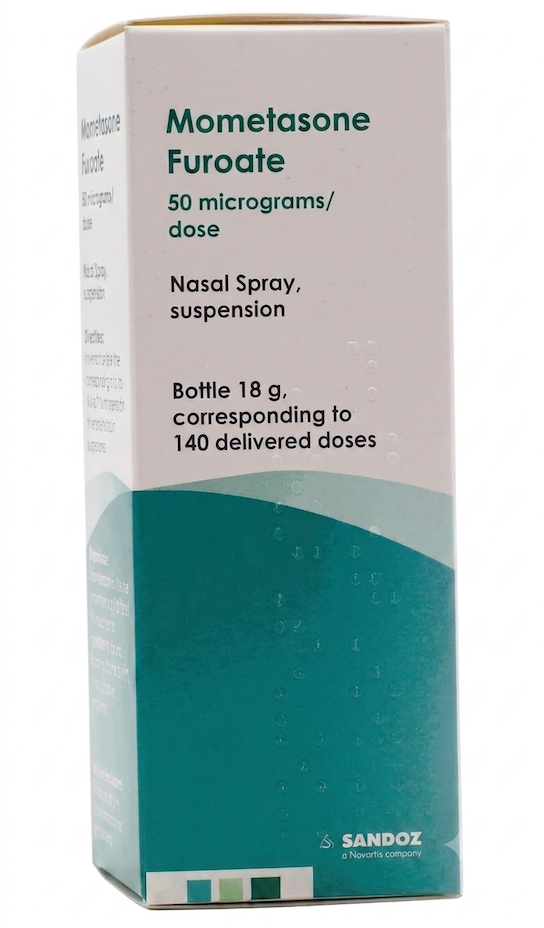
How to relieve sinus pressureA 14-day course of a high-dose steroid spray reduces the swelling that stops the sinuses draining. NICE names mometasone, used as 2 sprays in each nostril twice a day. This is an off-label use, which your prescriber will explain.
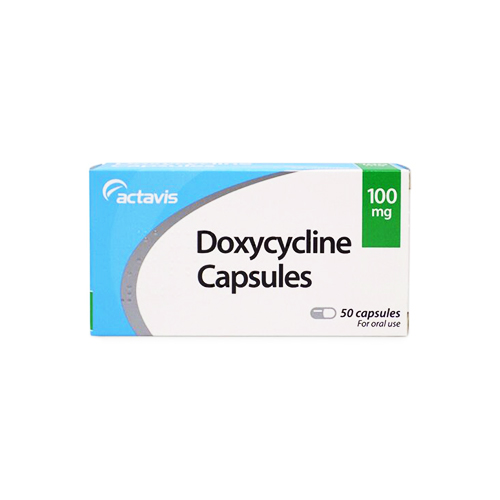
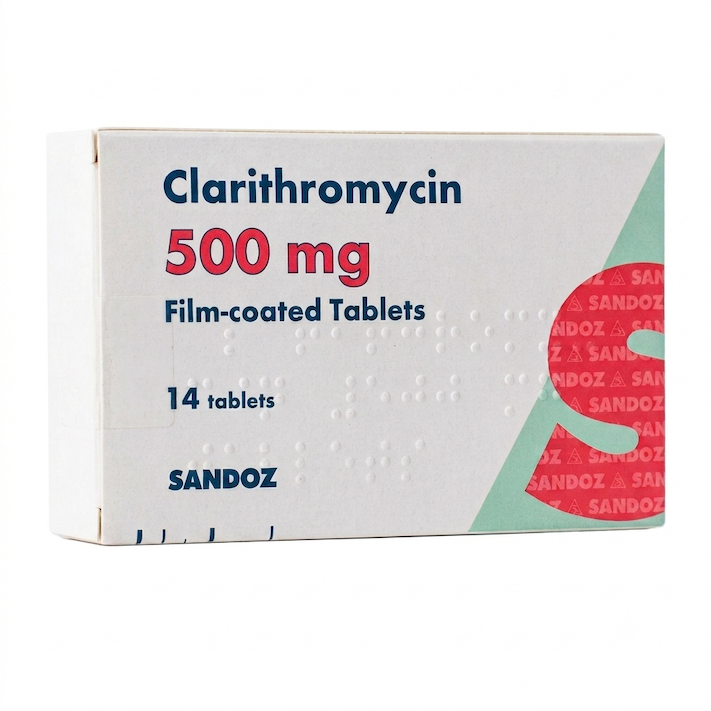
Best nasal spray for sinusitisUsed if you are very unwell, at high risk of complications, or getting worse after 10 days. Phenoxymethylpenicillin is the first choice. Doxycycline or clarithromycin are used if you are allergic to penicillin. All are 5-day courses.
Penicillin for a sinus infectionLong-lasting or repeated sinusitis needs a GP assessment, and sometimes a referral to an ear, nose and throat specialist.
Sinusitis that won’t go awayGet sinusitis treatment online, with advice on whether steroid nasal sprays or antibiotics may be appropriate. A GPhC-registered pharmacist independent prescriber assesses your symptoms and advises on treatment or self-care. Prices include the consultation. Read our guides to the best nasal spray for sinusitis and fluticasone vs mometasone.
| Treatment | Type | Best for | From (price) |
|---|---|---|---|
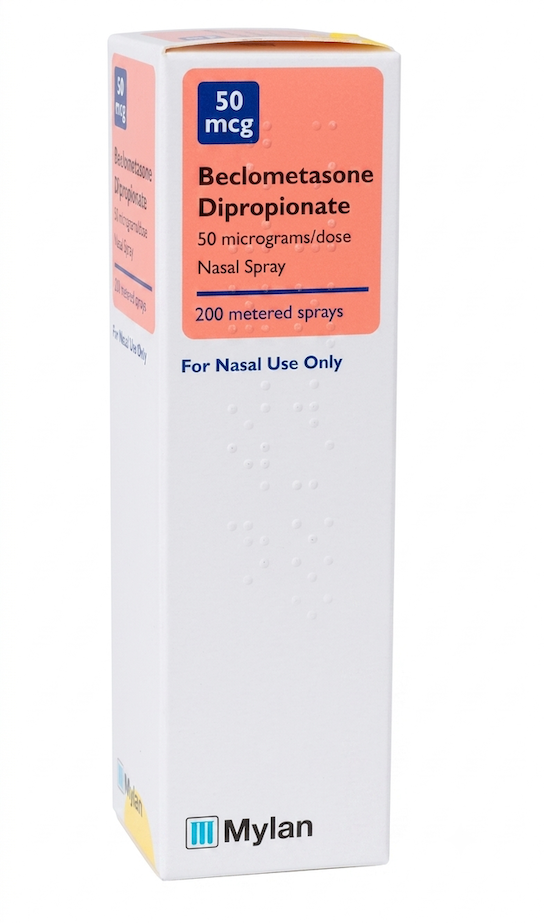
| Steroid nasal spray (mometasone, beclometasone) | Anti-inflammatory (corticosteroid) | Symptoms lasting 10 days or more without improving | From £12.99 |
| Doxycycline or clarithromycin | Antibiotic | Likely bacterial infection, if you are allergic to penicillin | From £13.99 |
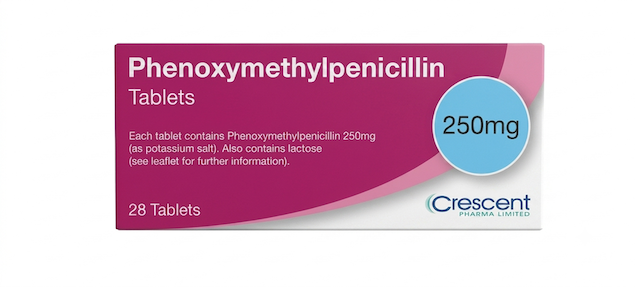
| Phenoxymethylpenicillin (penicillin V) | Antibiotic | Likely bacterial infection, if you can take penicillin | From £23.99 |
Not sure which treatment is right for you?
Online treatment isn’t suitable if you have any of the following. Get help straight away.
Our doctor-reviewed guides help you choose the right treatment and know what to expect.
Our full guide, from the 10-day rule to warning signs.
Read guideWhen antibiotics help, and why most people don’t need them.
Read guideWhich treatment fits which situation.
Read guideSteroid, saline and decongestant sprays compared.
Read guideWhich steroid nasal spray to choose.
Read guideWhen phenoxymethylpenicillin is used, and the dose.
Read guideWhat helps facial pain, blocked ears and sinus headaches.
Read guideWhen it’s chronic, and when to see a GP.
Read guideOur service is for adults aged 18 and over with sinus symptoms that haven’t settled, and isn’t suitable during pregnancy. It’s not for emergencies.
Online treatment can be a good fit if you have had symptoms for around 10 days or more without improvement, or if you are unwell enough that a prescriber may consider an antibiotic. You will be asked about your symptoms, how long you’ve had them, your medical history, allergies and every medicine you take. Some medicines, such as simvastatin with clarithromycin, can’t be taken together, so this matters. If online treatment isn’t right for you, the prescriber will tell you where to get the right care, and you won’t be charged for a treatment you don’t receive.
In England, people aged 12 and over can often get sinusitis advice and treatment free from a community pharmacy through the NHS Pharmacy First service, or from their GP. Choosing a private online consultation means no appointment, and treatment sent to your door. Our guide to private vs NHS prescriptions for sinusitis compares the two honestly.
Steroid nasal sprays and phenoxymethylpenicillin are used for sinusitis off-label, following NICE guidance, and your prescriber will explain this. Doxycycline and clarithromycin are licensed for sinusitis, but the 5-day clarithromycin course NICE recommends is shorter than the course in its licence, so the course length is off-label. Every order is dispensed by our GPhC-registered pharmacy. If you get a side effect, you can report it through the MHRA Yellow Card scheme.
You can’t buy antibiotics or prescription nasal sprays over the counter in the UK, but you can get them after an online consultation, without a GP appointment.
Our pharmacist prescribers follow NICE guidance (NG79). If your symptoms have lasted around 10 days or more without improving, the usual next step is a 14-day course of a steroid nasal spray such as mometasone or beclometasone. If a bacterial sinus infection is likely, we supply phenoxymethylpenicillin first, or doxycycline or clarithromycin if you are allergic to penicillin.
Most sinus infections don’t need an antibiotic, and the prescriber will tell you if yours doesn’t. Our guides explain whether you need antibiotics for a sinus infection and steroid spray vs antibiotics. If you want to check a website is legal before ordering, see is it legal to buy sinusitis medicine online?
It takes a few minutes. We ask about your symptoms, your health and your other medicines, because not every treatment suits everyone.
How long you’ve had symptoms, whether they’re getting better or worse, your temperature, any allergies and every medicine you take. Some medicines, such as simvastatin, can’t be taken with clarithromycin.
A GPhC-registered pharmacist independent prescriber checks your answers against NICE guidance. If you don’t need treatment, or need to be seen in person, they’ll tell you.
If approved before 3pm, Monday to Friday, it’s dispatched the same day in plain packaging. You choose Royal Mail Tracked 48, Tracked 24 or Special Delivery guaranteed by 1pm next working day. Delivery is free on orders over £40.
If you’re not improving after finishing a steroid spray or antibiotic course, or you feel worse at any point, contact us or your GP.
Answers to common questions about getting sinusitis treatment online.
Yes. Complete a short online consultation and a GPhC-registered pharmacist independent prescriber reviews your answers. If treatment is appropriate, it is dispensed by our UK pharmacy and sent in plain packaging. There’s no need for a GP appointment, and completing a consultation doesn’t guarantee a prescription.
No. Most sinusitis is caused by a virus and clears within two to three weeks, and antibiotics don’t help viral infections. Your prescriber checks how long you’ve had symptoms and how unwell you are. If symptoms have lasted 10 days or more without improving, a steroid nasal spray is often more useful. An antibiotic is only prescribed if you’re very unwell, at high risk of complications or getting worse. Our guide to whether you need antibiotics for a sinus infection explains more.
We supply mometasone and beclometasone steroid nasal sprays, usually as a 14-day course, and three antibiotics as 5-day courses: phenoxymethylpenicillin first, or doxycycline or clarithromycin if you are allergic to penicillin. Steroid sprays and phenoxymethylpenicillin are used for sinusitis off-label, following NICE guidance, and so is the 5-day clarithromycin course. Your prescriber will explain this. If symptoms last 12 weeks or more, or keep coming back, see a GP.
Steroid nasal sprays and antibiotics start from £12.99, and the price includes your online consultation. You see the price of each treatment before you pay, and you are only charged if a treatment is prescribed.
Orders approved by a prescriber before 3pm, Monday to Friday, are dispatched the same day by Royal Mail Tracked 24, 48 or Special Delivery (Guaranteed by 1pm Next Day) depending on your choice, it is posted in plain packaging. Tracked 24 and 48 are not guaranteed timeline delivery option.”) Orders approved before 3pm, Monday to Friday, are dispatched the same day in plain packaging, and you choose the delivery speed at checkout. Royal Mail Tracked 48 and Tracked 24 aim to arrive within two or one working days, and Special Delivery is guaranteed by 1pm the next working day.
Often, yes. In England, people aged 12 and over can get sinusitis advice and treatment from a community pharmacy through the NHS Pharmacy First service, or from their GP. Our online service is an alternative if you’d rather not wait for an appointment.
It is if you use a UK-registered pharmacy that assesses you before prescribing. Access Doctor is a GPhC-registered pharmacy (number 9011198), and every prescription is issued by a GPhC-registered pharmacist independent prescriber. Avoid any website that sells prescription medicines without a consultation.
Our online sinusitis service isn’t suitable during pregnancy. If you’re pregnant, please speak to your midwife, GP or a pharmacist. If you’re breastfeeding, tell us during your consultation and your prescriber will decide whether online treatment is suitable or whether you should be seen in person.
Helpful reads related to this treatment area.
Complete a short online consultation and a GPhC-registered pharmacist prescriber will review your answers. Where appropriate, treatment is dispensed from our UK pharmacy in plain packaging, with Royal Mail Tracked or Special Delivery. New, severe or persistent symptoms should always be assessed by a GP in person.