

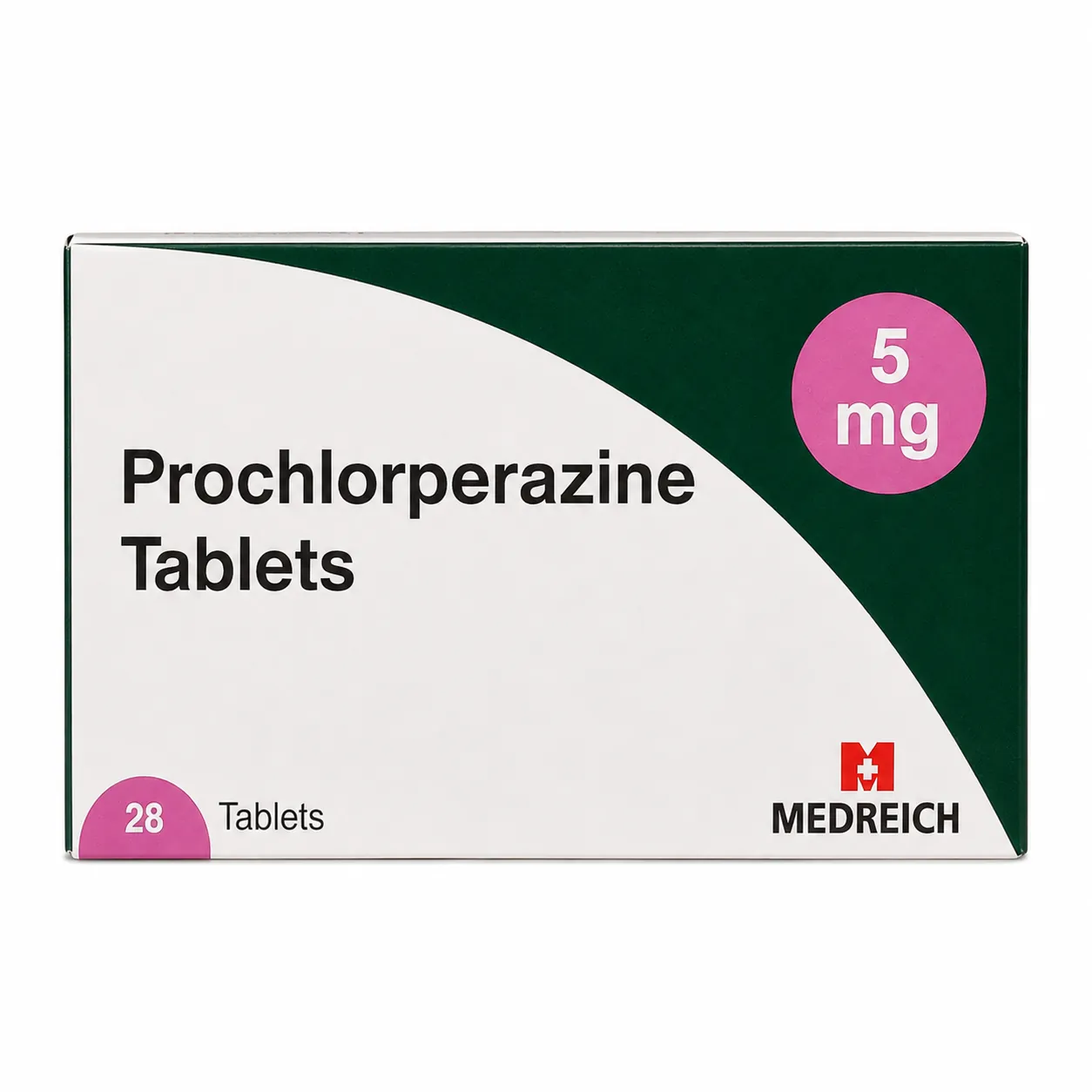
Prochlorperazine Tablets for Nausea and Vomiting
From £17.99

Our friendly team is available to help Monday to Friday 9:00am – 5:00pm.
If you need urgent assistance, do not use this service. Call 111, or in an emergency call 999.

Nausea is an unsettling sensation of wanting to vomit, often accompanied by stomach discomfort, sweating, and loss of appetite. Vomiting is the forceful expulsion of stomach contents. Both can result from a wide range of causes — from infections and motion sickness to pregnancy and medication side effects — and most cases resolve with appropriate treatment.
The choice of antiemetics depends on the underlying cause of your nausea. Cyclizine works best for motion sickness, inner ear disorders (labyrinthitis), and general nausea from viruses. Domperidone is more effective when nausea is caused by gastroparesis (delayed stomach emptying), acid reflux, or medication side effects like those from Parkinson's treatments.
Prochlorperazine is a further option when domperidone and cyclizine aren't suitable, particularly for nausea linked to a diagnosed vertigo condition (such as Ménière's disease or labyrinthitis) or migraine. The table below summarises the key differences. Always read the patient information leaflet. Neither medication should be taken without a clinical assessment.
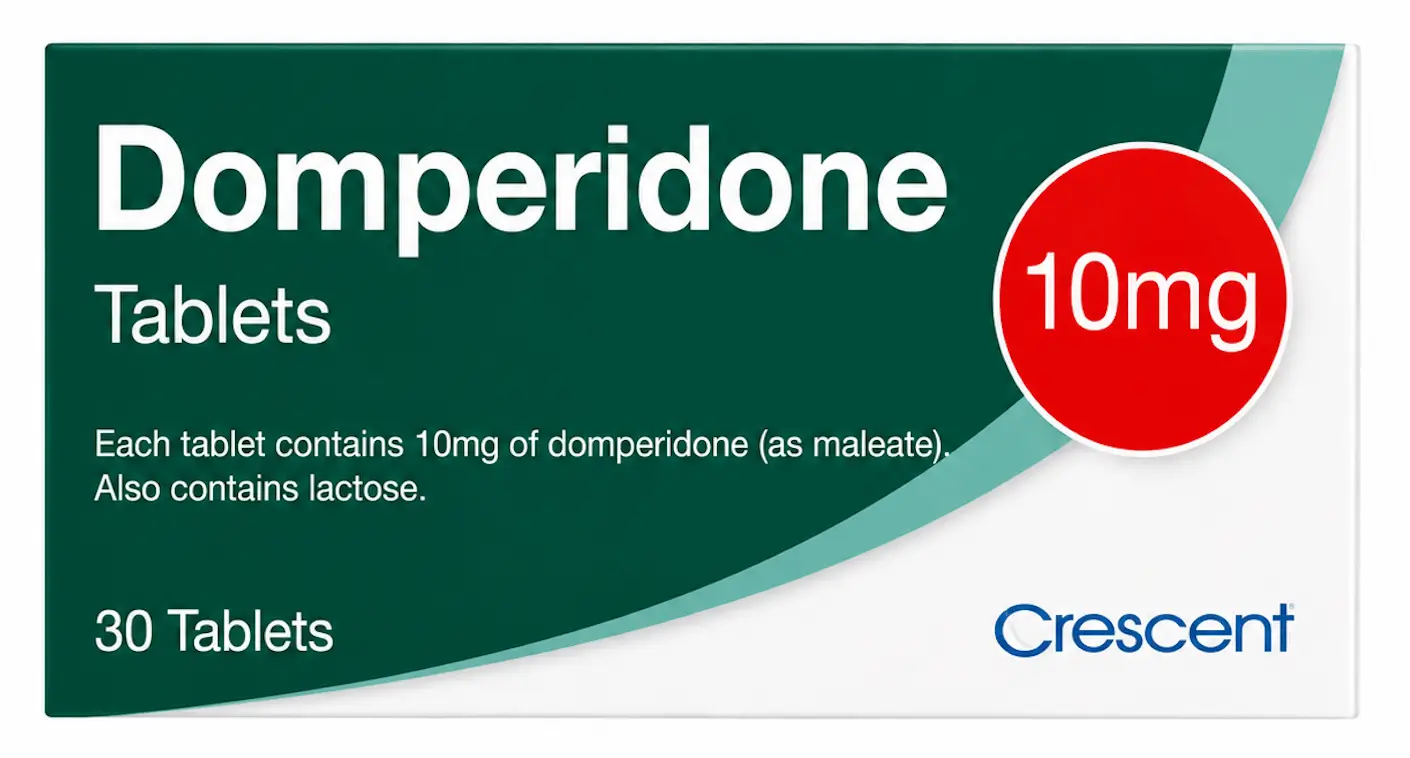
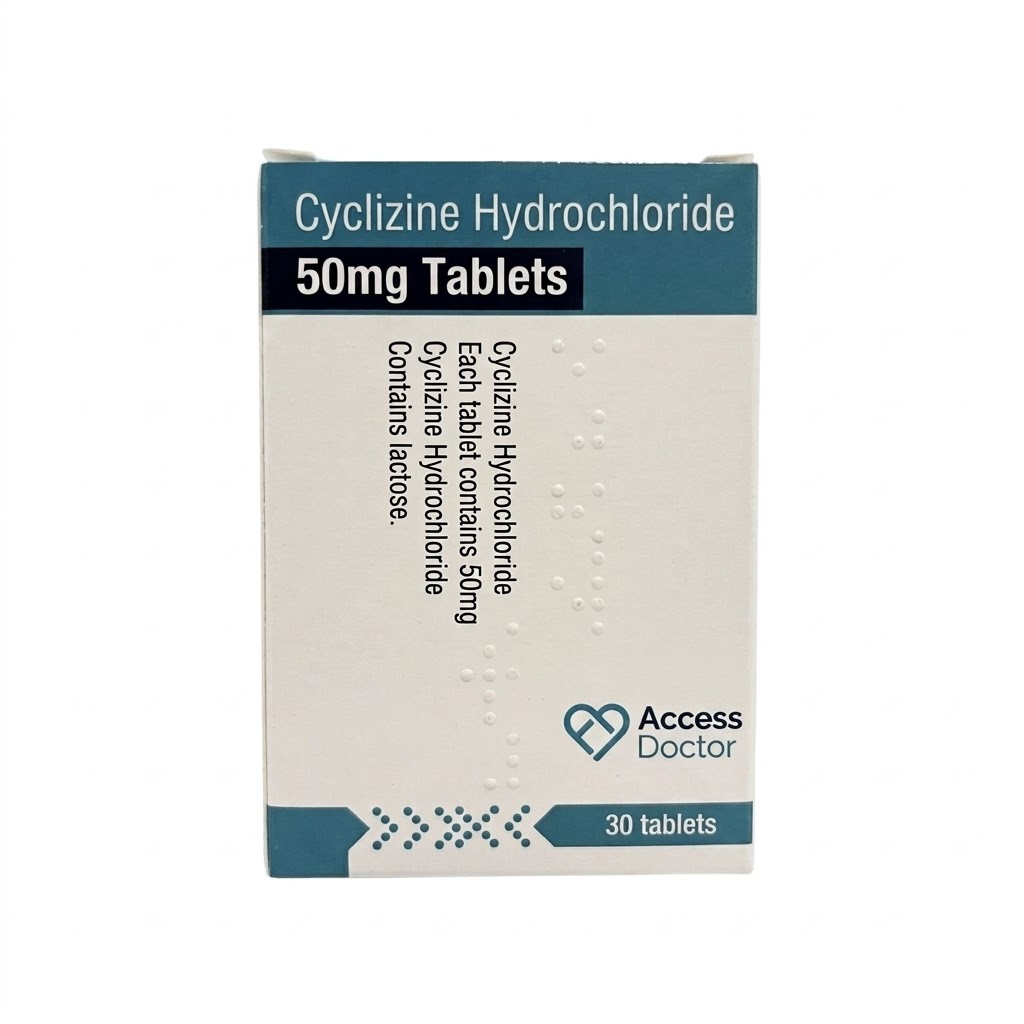
| Feature | Cyclizine | Domperidone | Prochlorperazine |
|---|---|---|---|
| Best For | Motion sickness, labyrinthitis, viral nausea | Gastroparesis, reflux-related nausea, drug-induced nausea | Vertigo-related nausea (Ménière's, labyrinthitis) or migraine nausea, when domperidone/cyclizine aren't suitable |
| How it works | Blocks histamine receptors in the brain's vomiting centre | Improves stomach emptying and blocks dopamine receptors | Blocks dopamine receptors in the brain's vomiting centre (similar action to domperidone, but crosses into the brain more) |
| Common dosage | 50 mg, up to 3 times daily | 10 mg, up to 3 times daily before food | 5 mg oral tablets 2-3x daily, or 3 mg buccal tablets twice daily; short-term use only |
| Key contraindications | Porphyria, prostate enlargement (caution) | Heart rhythm problems (QT prolongation), liver disease | Parkinson's disease, phaeochromocytoma, heart rhythm problems, blood disorders, or taking another antiemetic/antipsychotic |
| Pregnancy safety | Considered safe — first-line in NICE guidance | Not recommended — limited safety data | Not assessed for pregnancy or breastfeeding via this service |
Ready to get help with nausea & vomiting?
Take the first dose at the earliest sign of nausea — before vomiting starts if possible. Oral tablets work best when taken on an empty stomach (30 minutes before food) unless they cause irritation. For motion sickness, take cyclizine 1–2 hours before travel, not after symptoms begin.
Follow these steps for optimal results and minimal side effects:
Do not wait until you are already vomiting. The medication may not be absorbed if vomited back up.
Domperidone and cyclizine are best absorbed on an empty stomach (30–60 minutes before meals).
Take as prescribed; do not double up if one dose fails.
Anti-sickness tablets do not treat dehydration. Sip oral rehydration solutions alongside medication.
Both cyclizine and domperidone can cause drowsiness in some people. Do not operate machinery for the first 24 hours after starting.
Persistent vomiting despite medication requires reassessment (possible alternative diagnosis or need for a different antiemetic class).
If home remedies and over-the-counter options haven't worked, prescription antiemetics may be appropriate. AccessDoctor offers online consultations with GPhC-registered prescribers — no GP referral needed.
Select your treatment (Domperidone, Cyclizine, or Prochlorperazine)
Complete a brief medical questionnaire (5–10 minutes)
A UK prescriber reviews your answers within 24 hours
If suitable, medication is shipped by tracked delivery
Is this treatment right for you?
Prescription antiemetics are suitable for adults with mild-to-moderate nausea from clear causes (motion sickness, viral illness). They are not suitable for children, patients with certain heart or liver conditions, or anyone with red flag symptoms (see above). The prescriber will assess suitability based on your full medical history.
AccessDoctor is registered with the General Pharmaceutical Council (#9011198). Private prescription — not an NHS service.
Seek urgent medical attention if any of the following apply:
Still unsure about Nausea & vomiting treatment?
Cyclizine works well for motion sickness and general nausea. Metoclopramide and domperidone help when nausea is related to gastroparesis or acid reflux. A prescriber can advise on the most appropriate option.
Cyclizine and domperidone are both effective but work differently. Cyclizine blocks histamine receptors in the vomiting centre of the brain — making it ideal for motion sickness and inner ear causes. Domperidone improves stomach emptying and is better when nausea is linked to acid reflux or gastroparesis. Neither is 'stronger' — the right choice depends on your specific cause.
Seek urgent medical help if any of the following occurs with your vomiting; if it lasts more than 48 hours, you cannot keep any fluids down, there is blood in the vomit, you have severe abdominal pain, or you show signs of dehydration such as dark urine, dizziness, or extreme thirst. Persistent vomiting in pregnancy (known as hyperemesis gravidarum) also requires medical attention.
Persistent nausea without vomiting can be caused common conditions/scenarios such as acid reflux, IBS, anxiety, medication side effects, pregnancy, labyrinthitis (inner ear problem), or chronic conditions such as gastroparesis. If nausea lasts more than a week without an obvious cause, a medical review is advisable to identify any underlying condition.
Some anti-sickness medications are considered safe in pregnancy, including cyclizine and promethazine. Others, such as metoclopramide and prochlorperazine, are used cautiously. It is important to consult your own GP before taking any anti-sickness medication during pregnancy, as the choice depends on gestational age and severity.
Nausea is an unpleasant sensation of wanting to vomit — an uncomfortable feeling in the stomach often accompanied by sweating, dizziness, and loss of appetite.
Vomiting is the forceful expulsion of stomach contents through the mouth. Nausea often precedes vomiting but can occur independently and be persist for long periods.
Yes. Anxiety activates the sympathetic nervous system, which can cause nausea, stomach cramps, and vague or general digestive upset. This is particularly common in people with generalised anxiety disorder or panic disorder. If this is the cause, treating the underlying anxiety — alongside anti-nausea medication if needed — is the most effective approach. This requires careful assessment from your own GP.
Ginger (in tea, biscuits, or capsules) has good evidence for reducing nausea, particularly in pregnancy and motion sickness. Peppermint tea, fresh air, cold water sips, and small bland meals can also help. Avoiding strong smells, greasy food, and alcohol is advisable. Acupressure wristbands (P6 point) have modest evidence for some types of nausea.
Take small sips of clear fluids every 5–10 minutes rather than large amounts at once. Oral rehydration solutions (e.g. Dioralyte) replace lost electrolytes more effectively than water alone. Avoid fizzy drinks, dairy, and solid food until vomiting has stopped for several hours. If you cannot keep any fluids down for more than 12 hours, seek medical advice.
Yes. UK online pharmacy services like AccessDoctor allow you to access prescription antiemetics without a GP appointment. You complete an online consultation that a GPhC-registered prescriber reviews. If appropriate, they issue a private prescription and medication is shipped to you. This is not an NHS service.
No. Antiemetics have contraindications. Domperidone should not be taken by anyone with a known heart condition (QT prolongation), significant liver disease, or a prolactinoma (pituitary tumour). Cyclizine should be used with caution in men with prostate enlargement. A prescriber will check your medical history before issuing any prescription.
Some antiemetics are considered safe in pregnancy, particularly cyclizine and promethazine, which are first-line options recommended by NICE (NG201). Domperidone is not routinely recommended in pregnancy due to limited safety data. Do not take any medication during pregnancy without a medical review.
Cyclizine and domperidone typically start working within 30–60 minutes of taking an oral dose, provided you are not actively vomiting. For motion sickness, take cyclizine 1–2 hours before travel for full effect. If vomiting has already started, you may need a dissolvable or injectable antiemetic — speak to a GP.
No. Most antiemetics are taken on an as-needed basis. For motion sickness, take only when travelling. For viral nausea, take only during acute symptoms (usually 1–3 days). For chronic conditions like gastroparesis, daily dosing may be required. Do not exceed 7 days of continuous use without medical review, as longer courses carry higher risks of side effects.
Helpful reads related to this treatment area.
Start a short online consultation and our clinical team will review whether treatment is suitable for you.