
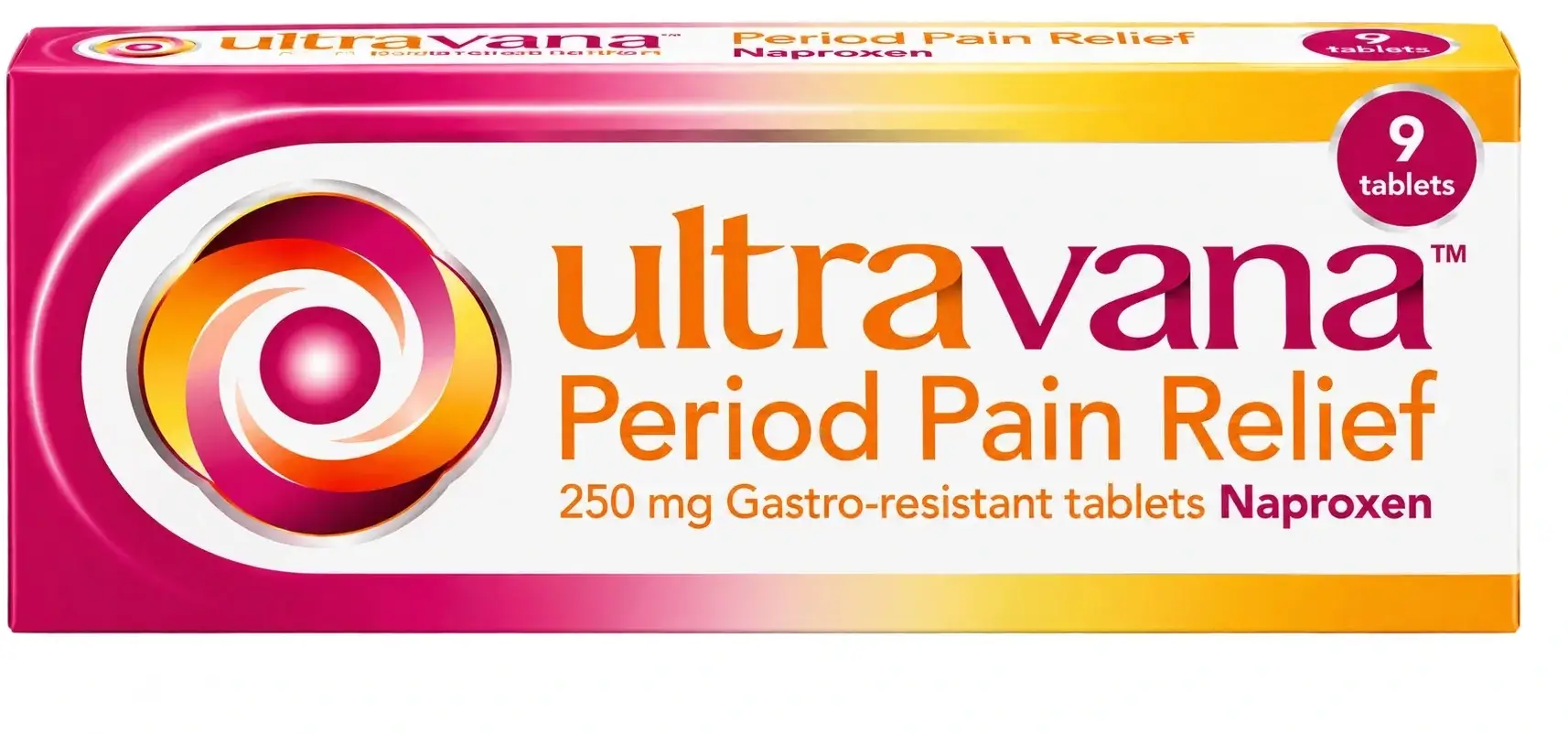
Ultravana Period Pain Relief Tablets
From £6.99

Our friendly team is available to help Monday to Friday 9:00am – 5:00pm.
If you need urgent assistance, do not use this service. Call 111, or in an emergency call 999.

No GP appointment needed — complete a free online consultation reviewed by a UK prescriber, with discreet next-day delivery to your door.
Period pain, known clinically as dysmenorrhoea, is cramping pain in the lower tummy that comes on shortly before or during a period. It happens because the womb lining tightens as it sheds, and for most people it's a normal part of the menstrual cycle rather than a sign of a medical problem.
Pain is usually strongest in the first day or two of your period and can spread to your lower back and thighs. Some people also feel sick, tired, or notice looser stools or headaches alongside the cramping.
Occasionally, painful periods are linked to an underlying condition such as endometriosis, fibroids, or a pelvic infection — especially if the pain starts after years of pain-free periods, or doesn't settle with usual painkillers. Our prescribers can help work out when further investigation might be needed.
Available after a free online consultation with one of our UK prescribers. Prices shown are per pack.
| Treatment | Active ingredient | Best for | Price |
|---|---|---|---|
| Panadol Period Pain Tablets | Paracetamol 500mg + caffeine 65mg | Mild-to-moderate cramps; a non-NSAID option | From £3.99 |
| Ultravana Period Pain Relief Tablets | Naproxen 250mg (NSAID) | Moderate-to-severe cramps needing longer-lasting relief | £6.49 |
| Evana Heavy Period Relief 500mg Tablets | Tranexamic acid 500mg | Heavy menstrual bleeding alongside painful periods | £13.99 |
Not sure which option suits you?
Most period pain can be safely managed at home, but sometimes it's a sign that you should speak to a healthcare professional.
Fact: Severe period pain isn't something to simply endure. Effective painkillers, hormonal options and simple self-care can make a real difference, and ongoing severe pain is worth discussing with a healthcare professional.
Fact: NSAIDs such as ibuprofen or naproxen work by reducing the prostaglandins that cause womb contractions, and are usually effective when taken regularly from the first sign of pain.
Fact: Gentle activity such as walking, swimming or yoga can actually help ease cramps for many people, rather than make them worse.
Fact: While many painful periods are primary dysmenorrhoea with no underlying cause, pain that changes pattern or doesn't improve with usual treatment can sometimes point to conditions like endometriosis or fibroids, and is worth discussing with a prescriber.
Apply a heat pad or hot water bottle, wrapped in a towel, to your lower tummy or back.
Try gentle exercise such as walking, swimming, cycling or yoga.
Warmth can help relax tense muscles and ease cramping.
Paracetamol or ibuprofen, taken as directed on the packet, can help relieve period pain.
Both can make period pain worse for some people.
Gently massaging your lower tummy and back may also help relieve cramping.
A closer look at what causes painful periods and when it's worth seeking advice.
Read guideHow ibuprofen works for menstrual cramps and how to take it safely.
Read guideWhat naproxen is, how it works, and what to know before taking it.
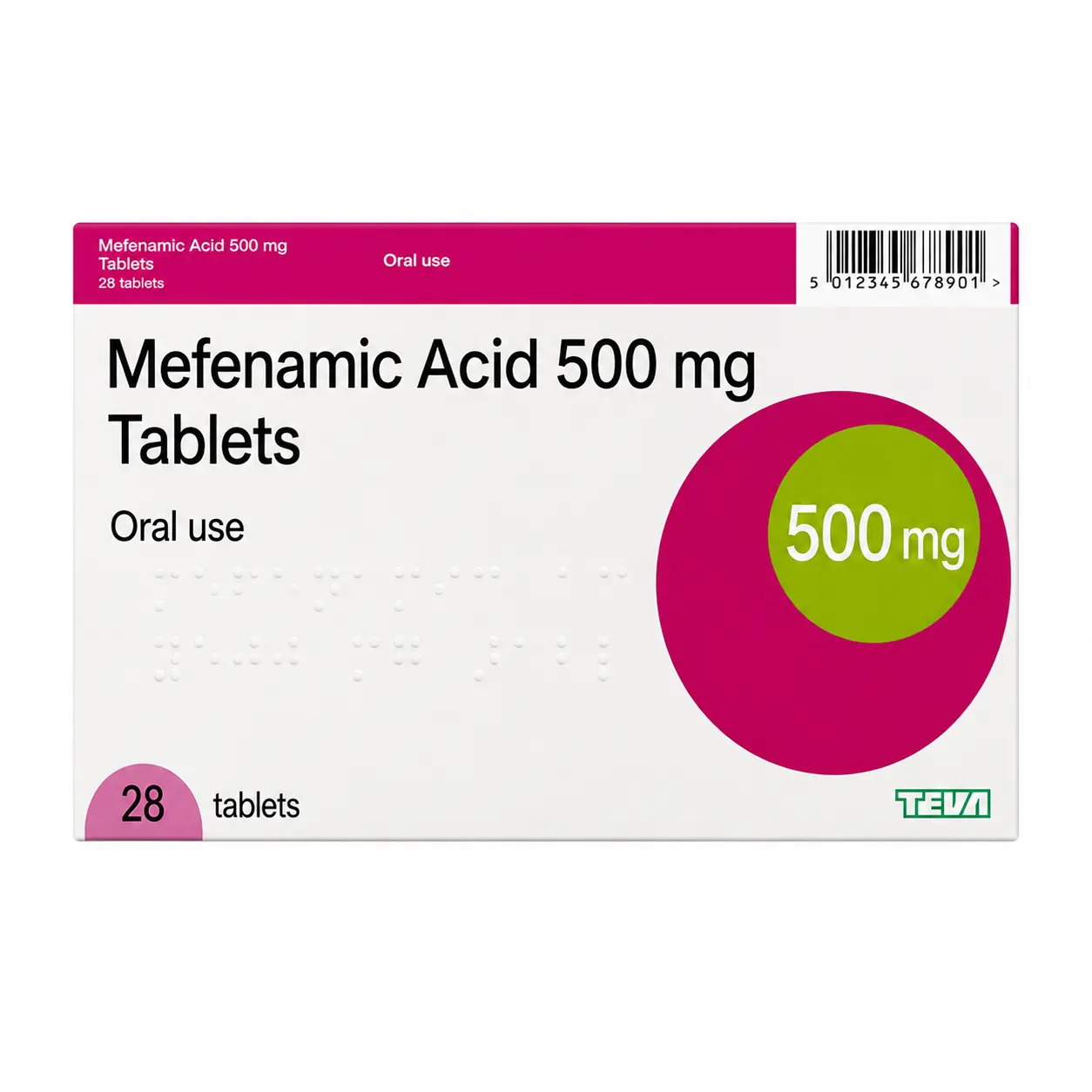
Read guideAn overview of mefenamic acid as an option for menstrual pain relief.
Read guideHow endometriosis can cause period pain, and when it's worth getting checked.
Read guideAnswers to some of the most common questions we're asked about period pain and treatment.
Period pain, or dysmenorrhoea, happens when the muscles of the womb tighten as its lining sheds during your period. It's usually strongest in the first day or two and can spread to your lower back and thighs.
After a free online consultation, our UK prescribers can offer options such as paracetamol with caffeine, the anti-inflammatory naproxen, or tranexamic acid for heavy bleeding alongside pain, depending on which is most suitable for you.
No. You can complete a free online consultation, which is reviewed by one of our UK-based prescribers who will confirm a suitable treatment without needing a GP appointment.
Anti-inflammatory painkillers such as naproxen work by reducing the prostaglandins that cause the womb to contract, and tend to work best when taken regularly from the first sign of pain.
You should get medical advice if your pain is severe or doesn't respond to usual painkillers, your periods become heavier, more painful or more irregular than usual, or you have pain during sex, between periods, or when peeing or pooing.
Yes. Every order is dispatched in plain, discreet packaging, with next-day delivery available.