

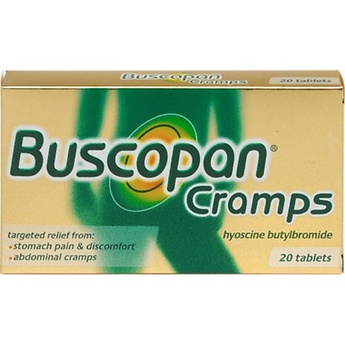
Buscopan Cramps Tablets
From £6.99

Our friendly team is available to help Monday to Friday 9:00am – 5:00pm.
If you need urgent assistance, do not use this service. Call 111, or in an emergency call 999.

Cramps, bloating, diarrhoea or constipation that keep coming back are treatable. Complete a short online consultation, have it reviewed by a UK-registered clinician, and get your treatment delivered discreetly to your door.
Irritable bowel syndrome is a long-term problem with the way the gut works. Nothing is damaged or inflamed, which is why tests usually come back normal, but the gut is more sensitive than it should be and the muscle in the bowel wall squeezes at the wrong moments. That is what produces the pain and the unpredictable bowel habit.
The usual symptoms are stomach pain or cramps that are worse after eating and ease after you open your bowels, bloating, and diarrhoea, constipation, or a swing between the two. Wind, mucus in your stools, tiredness, nausea and backache often come with it. Most people find symptoms arrive in flare-ups rather than sitting at the same level all the time.
Common triggers are alcohol, caffeine, spicy or fatty food, stress and anxiety, and courses of antibiotics. IBS is not dangerous and it does not turn into anything more serious, but it is persistent, and it responds far better to treatment and a few changes to what you eat together than to either on its own. If you have had symptoms for more than four weeks, it is worth having them looked at properly rather than managing alone.
Compare the IBS treatments our clinicians can supply. The right one depends on which symptom troubles you most, so a short consultation comes first and a UK-registered clinician will confirm what suits you. Select a treatment to start your free consultation.


Not sure which treatment is right for you?
IBS treatments are matched to the symptom that bothers you most, not to IBS as a whole. Cramping needs something different from diarrhoea, and constipation different again. Your clinician will confirm the right one during your consultation.
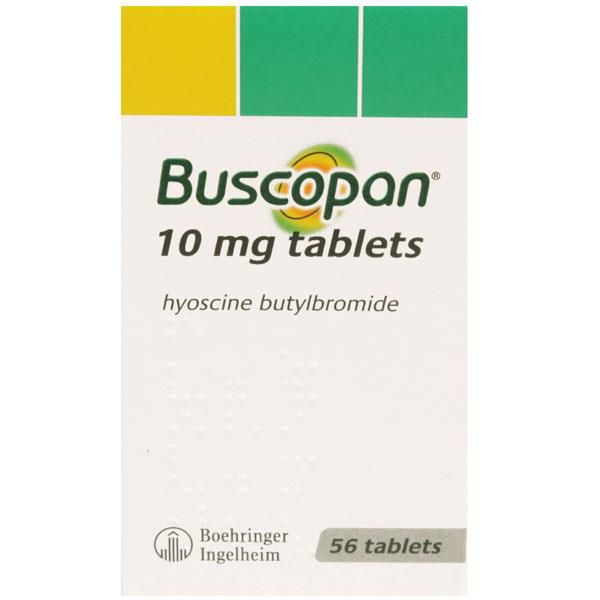
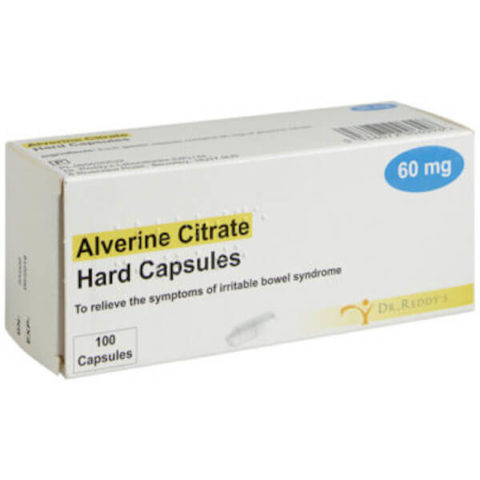
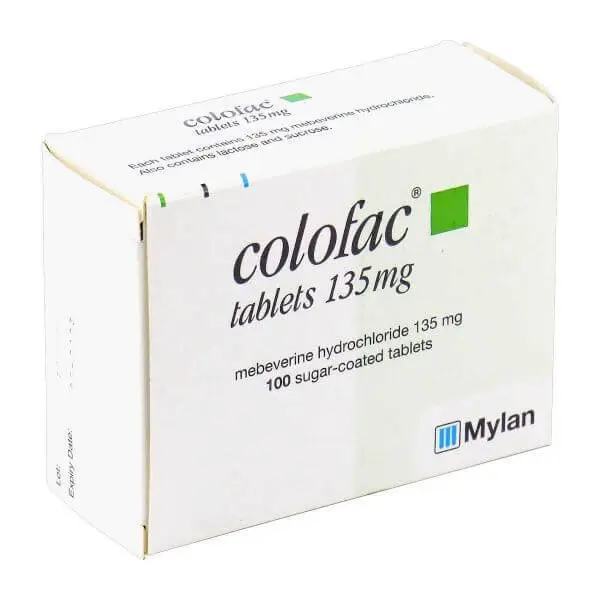
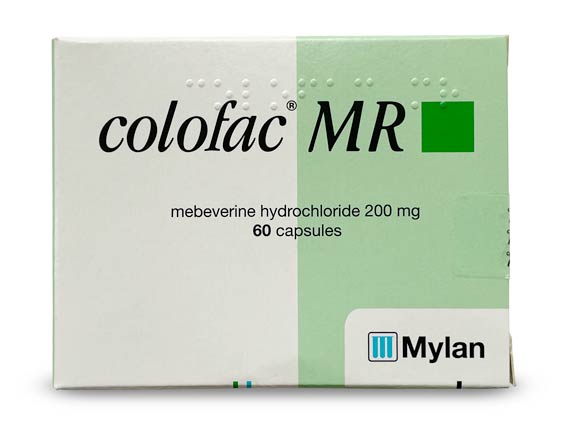
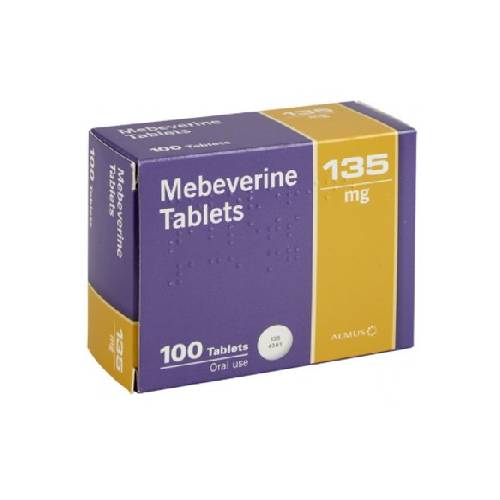
Mebeverine and alverine relax the muscle in the bowel wall, which is what eases the griping, cramping pain. Mebeverine is taken three times a day, about 20 minutes before meals. Best for: pain and cramping as the main problem. For adults.
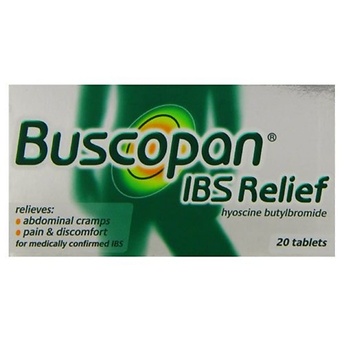
Start your free consultationRelieves spasm in the gut where IBS has already been confirmed. Usually one tablet three times a day, increased if needed. Best for: cramping that comes in waves. Not suitable if you have glaucoma or myasthenia gravis, and not meant for continuous long-term use without the cause of the pain being looked into.
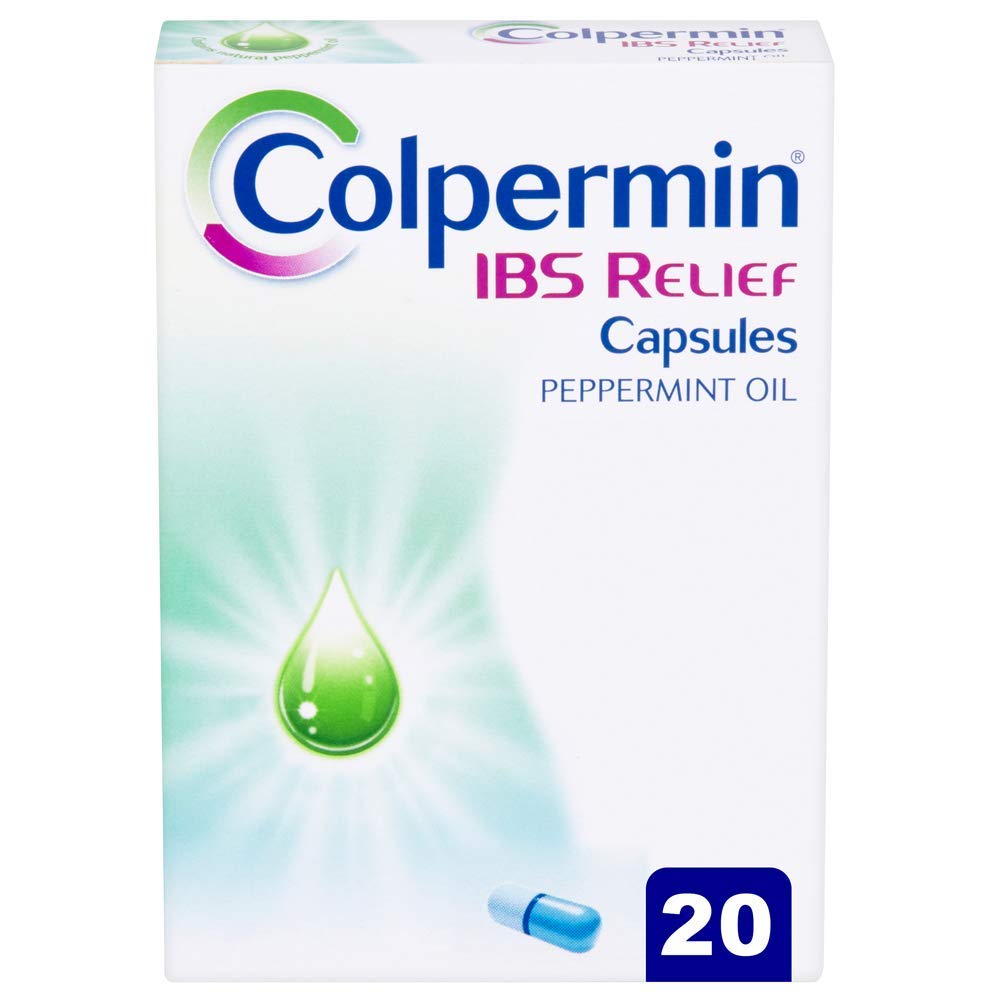
Start your free consultationA gentler option that relaxes the gut muscle. One capsule three times a day, swallowed whole and never chewed or broken, because the coating is what gets it past the stomach. Best for: bloating and wind alongside cramping. Usually taken for one to two weeks, and can continue for two to three months if it helps.
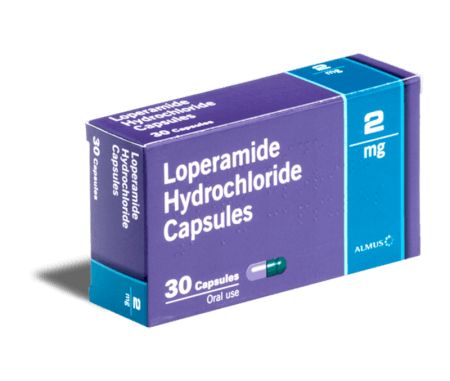
Start your free consultationSlows the gut down and firms up stools. Taken when you need it rather than every day. Best for: diarrhoea-predominant IBS, and for getting through days when you need to be out and about.
Start your free consultationIspaghula husk draws water into the stool and makes it easier to pass. Some products combine it with an antispasmodic so one sachet covers constipation and cramping together. Best for: constipation-predominant IBS. Increase your fluid intake alongside it.
Start your free consultationIBS can be managed online, but some symptoms are not IBS and need looking at properly.
Fact: The gut and the brain are closely wired together, so stress genuinely makes symptoms worse. That does not mean the symptoms are imagined. The pain, the bloating and the urgency are real and physical. Stress is a trigger, not the cause.
Fact: It does not. IBS does not damage the bowel and it does not raise your risk of cancer. That is exactly why the warning signs matter: bleeding, unexplained weight loss or a lump are not IBS, and need looking at separately.
Fact: For some people it helps. For plenty of others it makes no difference and leaves them on a needlessly narrow diet. A food and symptom diary for a few weeks tells you far more than guessing, and if a structured elimination diet is needed it works best with a dietitian rather than alone.
Fact: It depends which fibre and which symptom. Soluble fibre such as oats and linseeds usually helps constipation. Insoluble fibre from wholegrains, nuts and seeds often makes diarrhoea and bloating worse.
A few weeks of notes usually shows a pattern that guesswork never will. Write down what you ate, when, and what happened afterwards.
Do not skip or delay meals, and take your time over them. Eating in a rush means swallowing air, which sets off bloating.
Alcohol, fizzy drinks, more than three caffeinated drinks a day, fatty, spicy and processed food, and the sweetener sorbitol all commonly trigger symptoms. So can cabbage, broccoli, cauliflower, sprouts, beans and onions if bloating is your main problem.
For constipation, eat more soluble fibre such as oats, pulses, carrots, peeled potatoes and linseeds, and drink plenty of water. For diarrhoea, cut back on wholegrains, nuts and seeds.
Aim for around 8 to 10 drinks a day, roughly 1.5 litres, and get regular exercise. Both help the gut settle into a more predictable rhythm.
If you try them, stick with one product for a month before deciding. Changing every week tells you nothing.
The treatment page continues to use the existing FAQ entries already stored for this category.
IBS is diagnosed on the pattern of your symptoms, once other causes have been ruled out. The typical picture is stomach pain that eases after you open your bowels, bloating, and a change in how often or how loosely you go, lasting more than a few weeks. If you have never been assessed, or you have bleeding, weight loss or a lump, see your GP first, because those are not IBS.
There is no single best treatment, because IBS is not one symptom. Antispasmodics such as mebeverine help cramping pain, peppermint oil helps bloating and wind, loperamide settles diarrhoea, and bulk-forming fibre helps constipation. Most people also need a few changes to what they eat. Your clinician will match the treatment to whichever symptom troubles you most.
Yes, if your IBS has already been diagnosed or your symptoms fit the usual pattern. You complete a short consultation and a UK-registered clinician reviews it before anything is supplied. If your answers point to something other than IBS, they will tell you to be seen in person instead.
Antispasmodics and loperamide work within hours. Peppermint oil is usually judged over one to two weeks. Fibre and diet changes take longer, often three to four weeks, so give them a fair run before deciding they have not helped.
Stress does not cause IBS, but it is one of the most common triggers for a flare-up, because the gut and the brain are closely connected. Many people find their symptoms track their workload or their sleep. Managing stress will not cure IBS, but it usually makes flare-ups less frequent.
IBS is long-term and tends to come and go, but it does not damage your bowel and it does not get more serious over time. Most people find that once they know their triggers and have a treatment that suits their main symptom, it settles into something manageable rather than something that runs their day.
Helpful reads related to this treatment area.
Start a short online consultation and our clinical team will review whether treatment is suitable for you.