


Cetirizine 10mg Tablets & Oral Solution
From £1.99

Our friendly team is available to help Monday to Friday 9:00am – 5:00pm.
If you need urgent assistance, do not use this service. Call 111, or in an emergency call 999.

Hay fever (allergic rhinitis) causes sneezing, a runny or blocked nose and itchy, watery eyes. Get non-drowsy antihistamine tablets, steroid nasal sprays and allergy eye drops online, including prescription-strength options after a short consultation with a UK prescriber.
A short online consultation reviewed by a UK clinician
We assess whether treatment is safe and suitable for you
Dispatched the same day if approved before 3pm, Monday to Friday, in plain packaging
Hay fever is an allergic reaction to pollen from trees (spring), grasses (early summer) and weeds (late summer). Allergies to house dust mites, pets or mould cause the same symptoms all year round, known as perennial allergic rhinitis. Typical symptoms are sneezing, a runny, itchy or blocked nose, itchy, red or watery eyes, and an itchy throat. See our UK pollen calendar for when each pollen peaks, and our guide to hay fever symptoms and causes for more detail. Not sure if it’s hay fever or a cold? See hay fever vs cold, flu and COVID.
Most people get good control by matching the treatment to their symptoms: tablets for sneezing and itching, a steroid nasal spray for a blocked nose, and eye drops for itchy eyes. Our guide to hay fever antihistamines compared explains the tablet options.
Our clinicians may recommend one of the treatment options below, depending on your symptoms, medical history, and whether the treatment is appropriate for you.


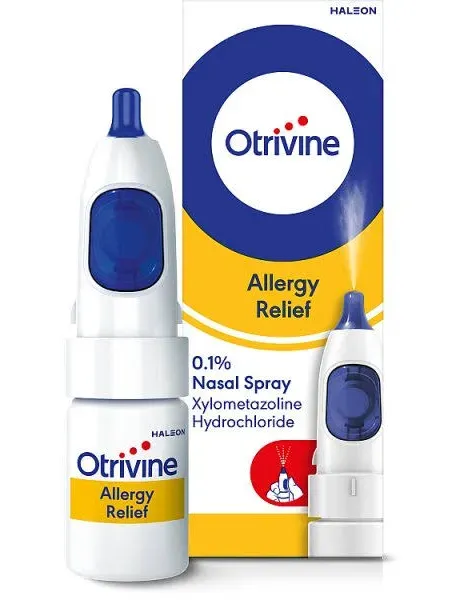
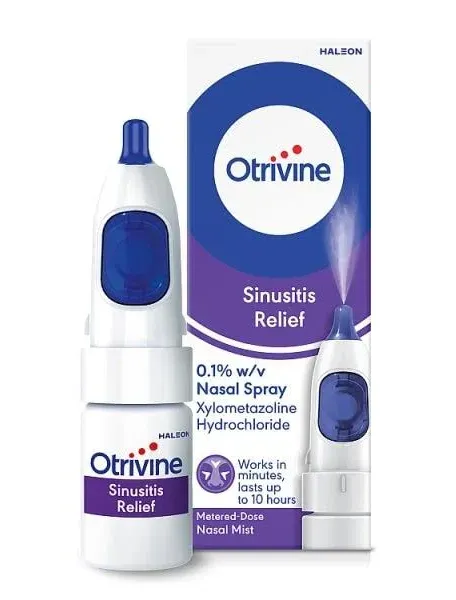


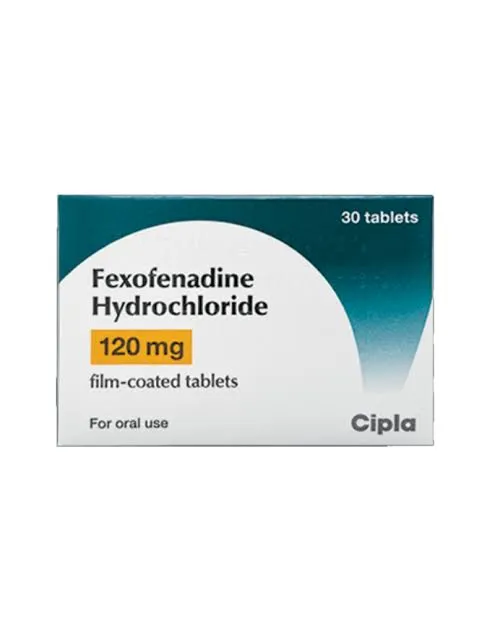


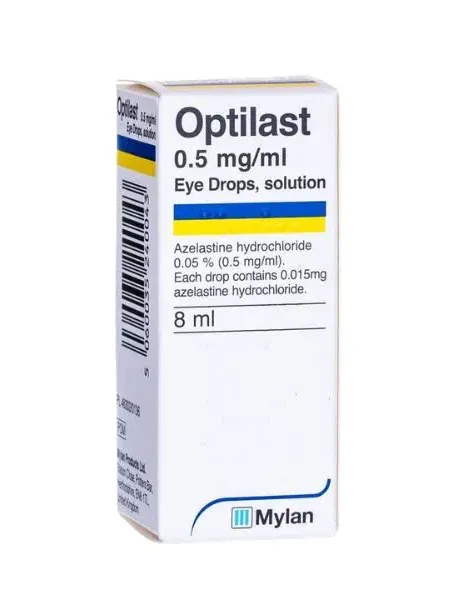


| Type | Examples | Best for | How to use |
|---|---|---|---|
| Non-drowsy antihistamine tablets | Fexofenadine (Allevia), desloratadine (Neoclarityn), levocetirizine (Xyzal), cetirizine | Sneezing, itching, runny nose, itchy eyes | Once a day; can be taken when needed or daily through the season |
| Steroid nasal sprays | Beconase, Nasobec, Benacort, Flixonase, Avamys | Blocked nose and persistent symptoms | Every day; start 2 weeks before the season; can take up to 2 weeks to work fully |
| Combination nasal spray | Dymista (azelastine + fluticasone) | Moderate to severe symptoms that one spray hasn’t controlled | 1 spray in each nostril twice a day |
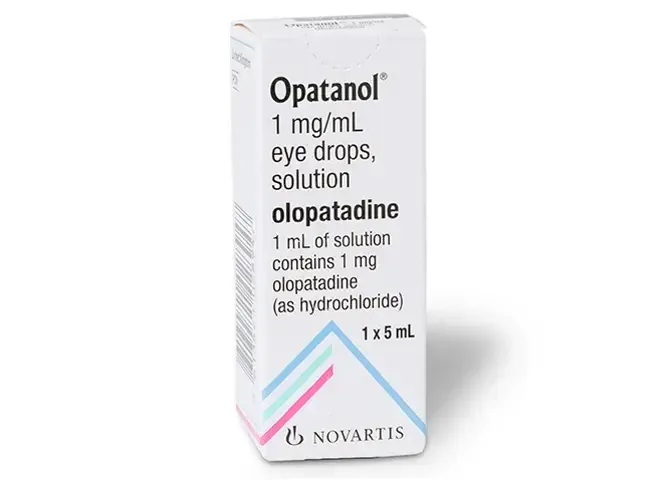
| Allergy eye drops | Opticrom, Optilast, Opatanol | Itchy, red, watery eyes | 1 drop 2 to 4 times a day, depending on the drop |
| Drowsy antihistamine | Piriton | Night-time itching; short-term use | Not for regular daytime use; can affect driving |
| Decongestant spray | Otrivine | Short-term blocked nose | No more than 5 days |
Not sure which option is right for you?
Start with a non-drowsy antihistamine tablet once a day.
Add or switch to a steroid nasal spray, used every day. It works best if you start 2 weeks before your pollen season.
Add allergy eye drops if tablets alone don’t help.
Combine a tablet, a spray and eye drops, or switch to a combination spray (<a href="https://accessdoctor.co.uk/product/dymista-nasal-spray/">Dymista</a>) that contains an antihistamine and a steroid. If that doesn’t work, check how you’re using the spray, and see a GP about specialist treatment. Our guide on <a href="https://accessdoctor.co.uk/healthguide/allergy-hayfever/hay-fever-treatment-not-working/">hay fever treatment not working</a> covers the next steps.
Hay fever treatment online isn’t suitable if:
Fexofenadine, cetirizine, loratadine and more
Read guideA nasal spray or a tablet: which to choose
Read guideWhy starting early works better
Read guideWhat to try next
Read guideDust mites, pets and mould
Read guideTree, grass and weed pollen by month
Read guideWhen a steroid spray helps, and when to see a GP
Read guideComparing steroid nasal sprays
Read guideWhy hay fever can make asthma worse
Read guideAnswers about antihistamines, nasal sprays, eye drops and getting treatment online.
It depends on your symptoms. Non-drowsy antihistamine tablets help sneezing, itching and a runny nose. A steroid nasal spray is the most effective treatment for a blocked nose and for symptoms most days. Eye drops help itchy, watery eyes. Many people use a tablet and a spray together.
For most people, a daily steroid nasal spray combined with a non-drowsy antihistamine gives the strongest control. Some stronger antihistamine tablets and nasal sprays are prescription-only, and a prescriber can check whether they suit you.
Not always. Many antihistamines and some nasal sprays are sold in pharmacies. Some stronger antihistamine tablets, nasal sprays and eye drops are prescription-only; we can prescribe these after a short online consultation if they’re suitable.
About 2 weeks before your symptoms usually begin. Tree pollen is usually around from late March to mid-May, grass pollen from mid-May to July, and weed pollen from late June to September. Steroid nasal sprays can take up to 2 weeks to work fully, so starting early helps.
Some people notice a difference within hours or a day, but they can take up to 2 weeks of daily use to work fully. Use them every day during the season, not only when symptoms are bad.
Fexofenadine, desloratadine, loratadine, cetirizine and levocetirizine are all non-drowsy for most people. If one makes you drowsy, another may suit you better. Older antihistamines such as chlorphenamine (Piriton) often cause drowsiness.
Yes. A tablet and a steroid nasal spray work in different ways and are often used together. Don’t take two different antihistamine tablets at the same time.
Antihistamine or sodium cromoglicate eye drops work well, alongside a tablet if needed. Wraparound sunglasses and washing pollen off your face also help. See a doctor if you have eye pain, blurred vision or only one red eye.
Only for a few days. Decongestant sprays clear a blocked nose quickly, but using them for more than 5 days can make the blockage worse. A steroid spray is better for a nose that stays blocked.
Speak to your GP, midwife or pharmacist first. Some antihistamines and nasal sprays are commonly used in pregnancy, but the choice depends on your situation. We don’t supply prescription hay fever treatments online in pregnancy or breastfeeding.
The symptoms are the same. Hay fever is caused by pollen and happens at certain times of year. Allergies to house dust mites, pets or mould cause similar symptoms all year round and are treated in the same way.
Check you’re using your nasal spray correctly and every day. Try combining a tablet, a spray and eye drops. If you’re still struggling, see your GP, who can check the diagnosis and discuss specialist treatments such as immunotherapy.
Helpful reads related to this treatment area.
Tell us about your symptoms and a UK prescriber will check which tablet, spray or eye drop suits you. Approved before 3pm, Monday to Friday? Dispatched the same day by Royal Mail Tracked 48, Tracked 24 or Special Delivery guaranteed by 1pm next working day.