


We’re here to help.
Our friendly team is available to help Monday to Friday 9:00am – 5:00pm.
If you need urgent assistance, do not use this service. Call 111, or in an emergency call 999.
Our friendly team is available to help Monday to Friday 9:00am – 5:00pm.
If you need urgent assistance, do not use this service. Call 111, or in an emergency call 999.
Fast, discreet delivery
Free delivery over £40
100% UK-based pharmacy
All doctors & pharmacists UK-based
Free advice & support
Clinical support free · Mon–Fri 9am–5pm
Why Patients Choose Access Doctor
10+
Years serving UK patients
—
Verified patient reviews
1,000+
Licensed treatments
24/7
Consultation available
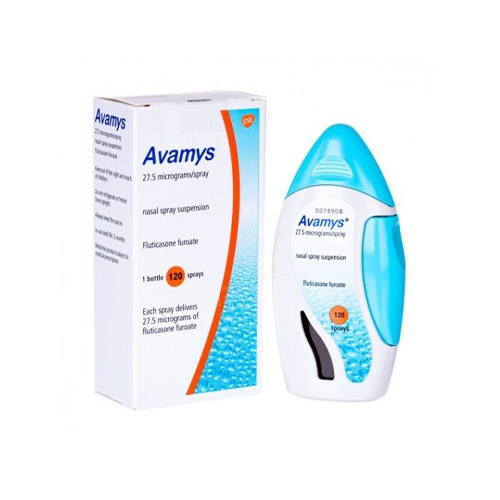
Avamys nasal inhaler belongs to a group of medicines called glucocorticoids. Works to decrease inflammation caused by allergy (rhinitis) and therefore reduce symptoms of allergy.
Order before 3pm — same-day dispatch (MON - FRI)
~5 min consultation
Secure & confidential · Reviewed by a UK prescriber
Avamys nasal inhaler belongs to a group of medicines called glucocorticoids. Works to decrease inflammation caused by allergy (rhinitis) and therefore reduce symptoms of allergy.
Avamys is a prescription-only corticosteroid nasal spray containing 27.5 micrograms of fluticasone furoate per spray. It's used to treat the symptoms of both seasonal allergic rhinitis (hay fever) and year-round allergies (perennial allergic rhinitis) in adults and children aged 6 and over. Symptoms it helps include a blocked, runny, or itchy nose, sneezing, and itchy, watery, or red eyes. Avamys works by reducing inflammation in the nasal passages, targeting the root cause of allergy symptoms rather than just masking them. It's worth noting that fluticasone furoate — the active ingredient in Avamys — is a more potent molecule than fluticasone propionate, found in other sprays such as Flixonase, and requires a lower dose to achieve an effective result. A consultation with one of our clinicians at Access Doctor is required before it can be prescribed.
Avamys is one of the faster-acting corticosteroid nasal sprays available. Most people begin to notice an improvement in their symptoms within 8 hours of the very first dose — sooner than many other steroid nasal sprays. However, the full anti-inflammatory benefit typically builds over 7 to 14 days of consistent daily use. For hay fever sufferers, it's best to start using Avamys a couple of weeks before the start of the pollen season so that it is already working effectively when allergen levels begin to rise. Always use it regularly, even on days when your symptoms seem mild or under control.
The usual starting dose for adults and young people aged 12 and over is two sprays into each nostril once a day, preferably at the same time each day. Once your symptoms are well controlled, your doctor may reduce this to one spray into each nostril once a day as a maintenance dose. Always shake the bottle well before use. Blow your nose gently beforehand, tilt your head slightly forward, and aim the nozzle away from the middle of your nose to avoid irritating the nasal septum. Be careful not to get any spray in your eyes — if you do, rinse them immediately with water. Once opened, use the bottle within 2 months.
Both Avamys and Flixonase are fluticasone-based nasal sprays, but they contain slightly different molecules. Avamys contains fluticasone furoate, while Flixonase contains fluticasone propionate. Fluticasone furoate has a higher affinity for the steroid receptors in the nasal lining, meaning it can be effective at a lower dose. Avamys also has a notably earlier onset of action — clinical evidence shows it can start working within 8 hours of the first dose. Both are effective treatments for allergic rhinitis, and your clinician at Access Doctor will advise which is most appropriate for your symptoms.
The most commonly reported side effect of Avamys is nosebleeds, which can affect more than 1 in 10 people and are more likely if the spray is used for more than 6 weeks continuously. Other common side effects include nasal irritation, discomfort inside the nose, and headache. These are usually mild and settle with continued use. In rare cases, blurred vision or changes in eyesight can occur, particularly with long-term use — if this happens, speak to your doctor promptly. Very rarely, a serious allergic reaction can occur, with symptoms including swelling of the face or throat, wheezing, or breathing difficulties. If you experience any of these, stop using the spray immediately and call 999 or go to your nearest A&E.
Avamys can be used for extended periods when prescribed and monitored by a doctor. Clinical research has shown it to be well tolerated for up to 12 months of continuous use. However, as with all corticosteroid nasal sprays, it's important to use the lowest effective dose and to have regular check-ins with your doctor, particularly if you are also using other steroid-based treatments. Long-term use at high doses carries a small risk of eye problems such as cataracts or raised eye pressure, so report any changes in your vision to your doctor promptly. If Avamys is being used in children, their growth should be monitored periodically.
Avamys is not recommended during pregnancy unless your doctor has specifically advised that the benefits outweigh any potential risks. There is limited evidence on its safety in pregnant women, and as a precaution it is best avoided. If you are breastfeeding, Avamys should only be considered if the expected benefit to you is greater than any possible risk to your baby, as it is not known whether fluticasone furoate passes into breast milk in significant amounts. If you are pregnant, planning a pregnancy, or currently breastfeeding and need treatment for hay fever or allergic rhinitis, always speak to your GP before using Avamys.
Helpful articles and clinical guides related to this treatment category.
Free consultation
Online review by a UK prescriber
Next-day delivery
Order before 3pm where offered
Discreet packaging
Plain outer packaging