
Betamethasone Ointment 0.1% | Buy Online UK
From £12.99

Our friendly team is available to help Monday to Friday 9:00am – 5:00pm.
If you need urgent assistance, do not use this service. Call 111, or in an emergency call 999.

Get a prescription for eczema cream online without a GP appointment. Betnovate, Dermovate, Eumovate, and antibiotic-steroid combinations prescribed by UK clinicians. Complete a 2–minute online consultation — if suitable, your eczema prescription is dispatched the same day in plain packaging.
Eczema (atopic dermatitis) is a chronic inflammatory skin condition causing dry, intensely itchy, and inflamed skin. It occurs when the skin barrier — which normally keeps moisture in and irritants out — is impaired, making the skin prone to dryness, irritation, and immune overreaction.
Eczema affects around 1 in 5 children and 1 in 10 adults in the UK. It often begins in childhood and may persist into or develop in adulthood. It frequently occurs alongside other atopic conditions such as hay fever and asthma. Contact dermatitis — caused by direct skin contact with an irritant or allergen — is a related but distinct condition that can occur without a personal or family history of atopy.
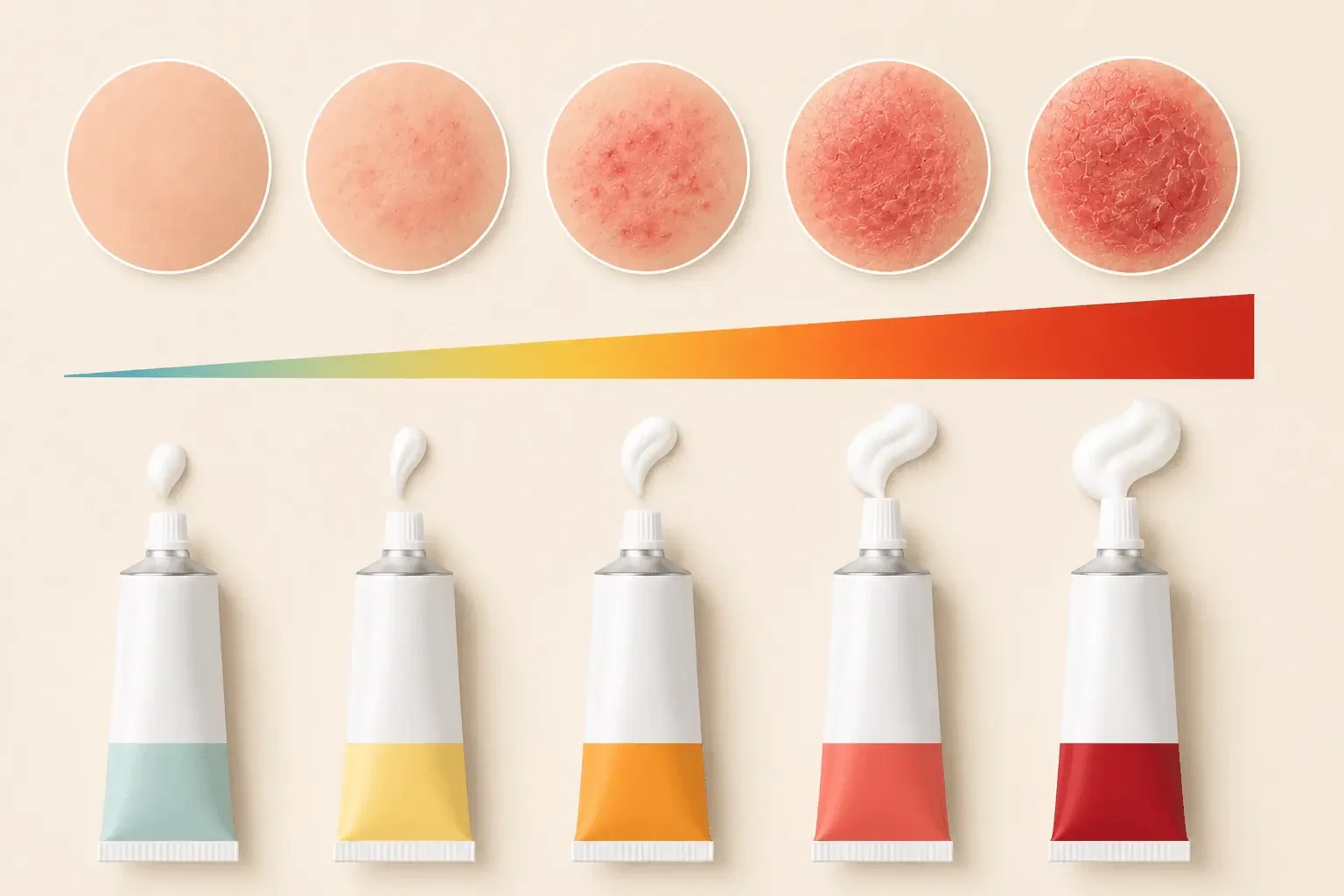
Our clinicians prescribe topical steroids (mild to very potent), antibiotic-steroid combinations, and emollients for atopic eczema, contact dermatitis, and other inflammatory skin conditions. All prescription treatments are issued following a clinical review of your online consultation.


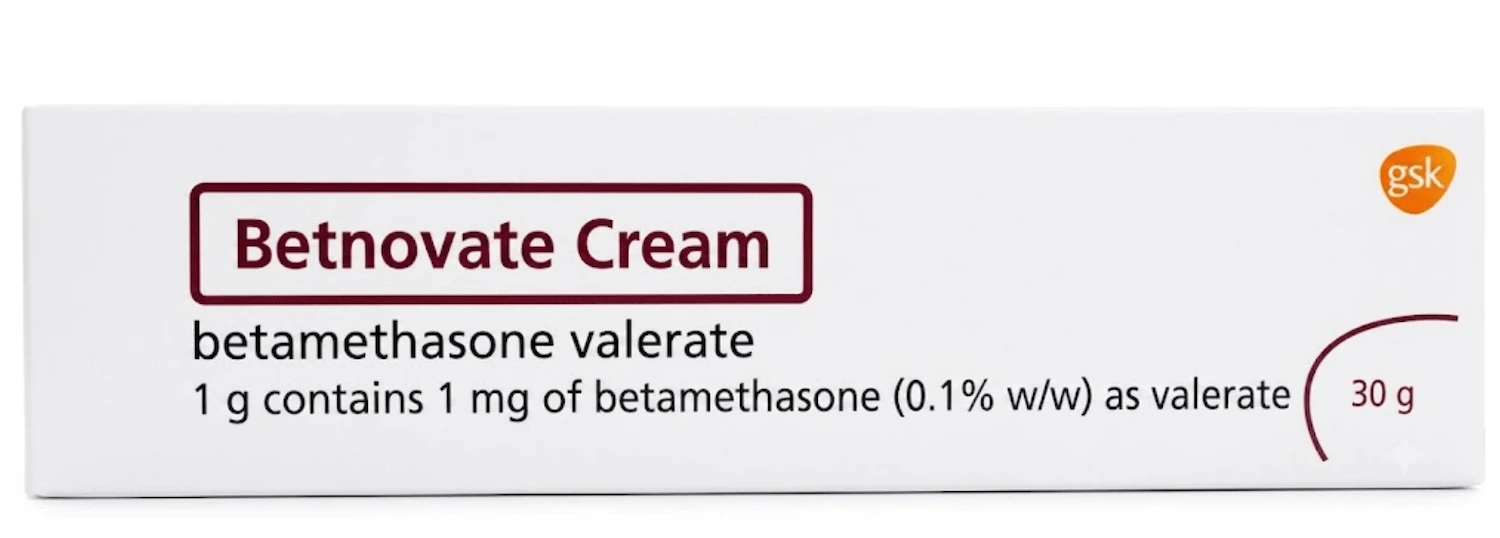


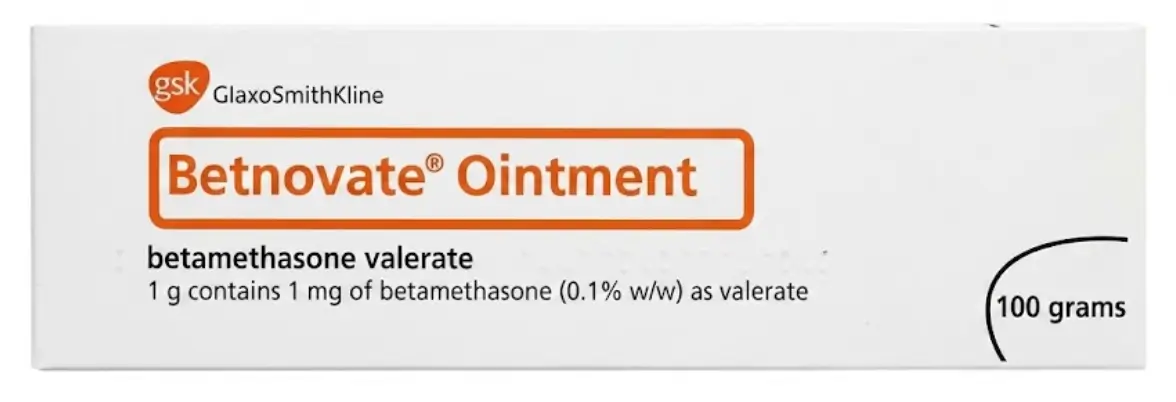
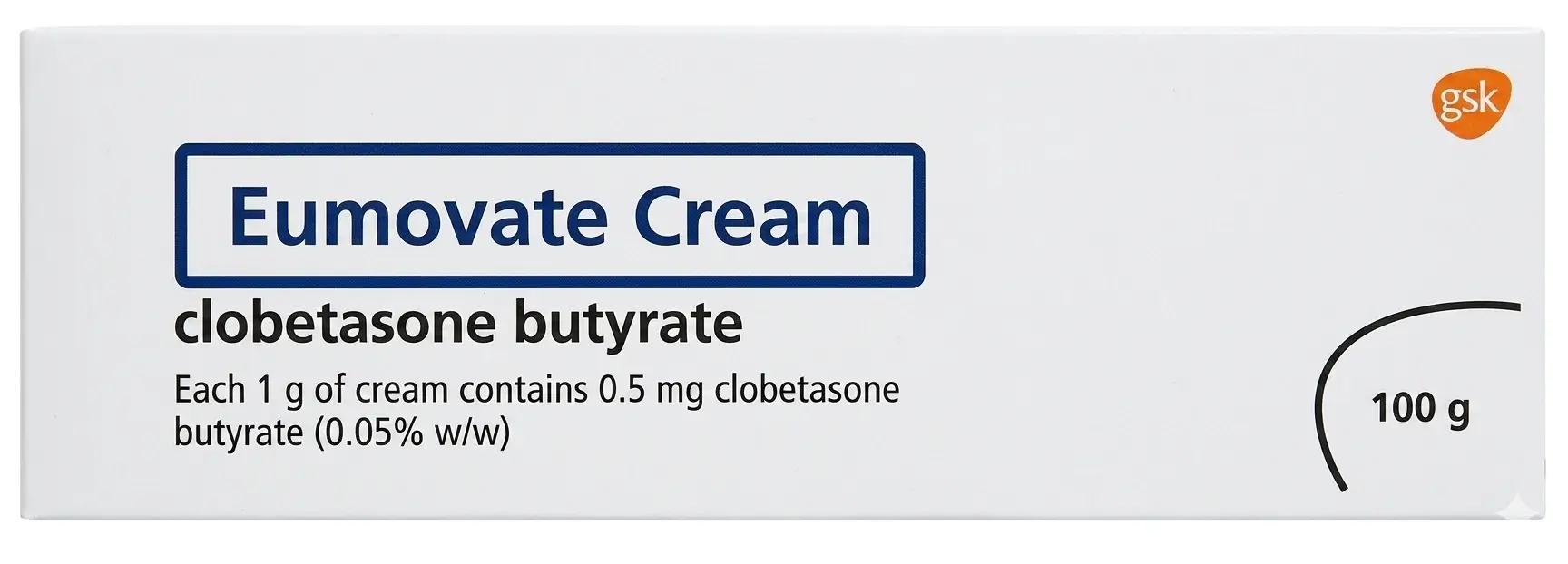
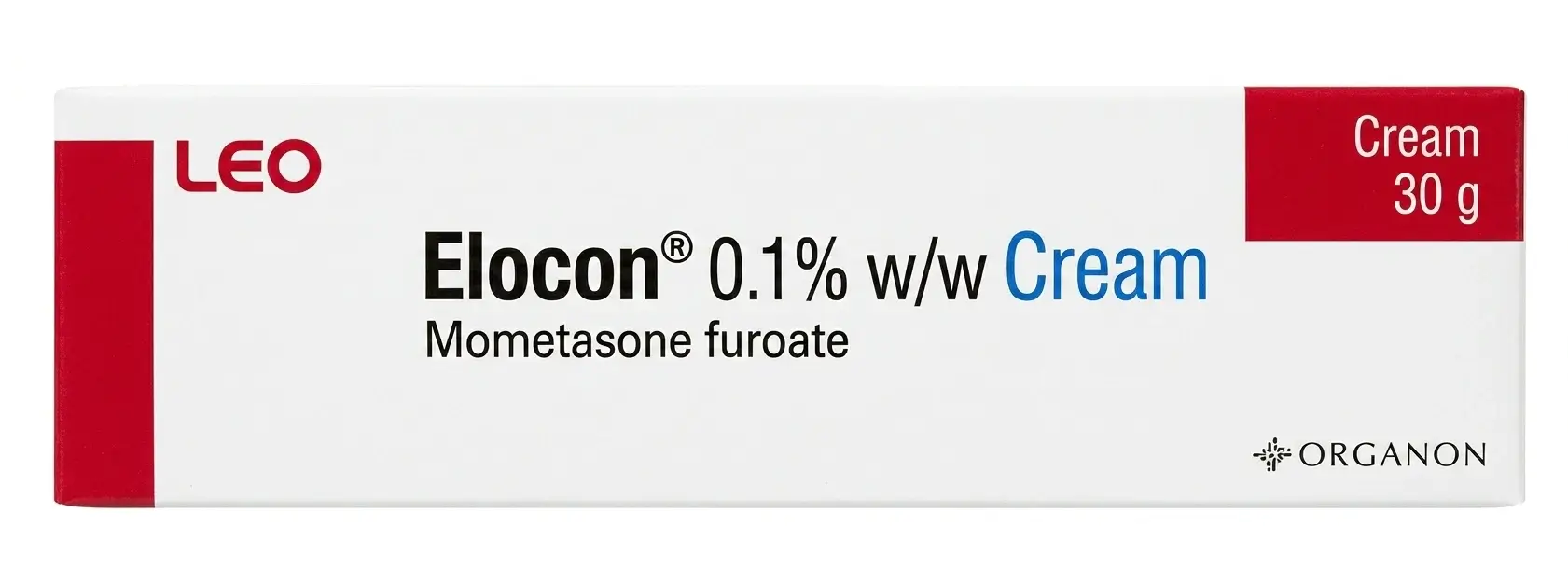
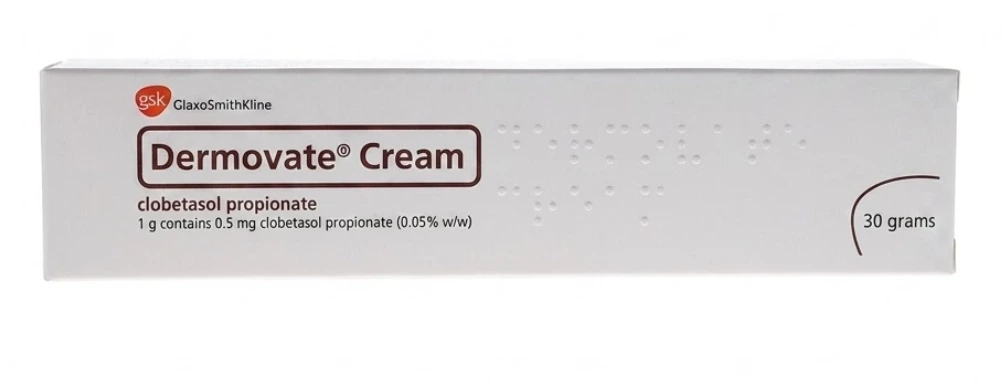
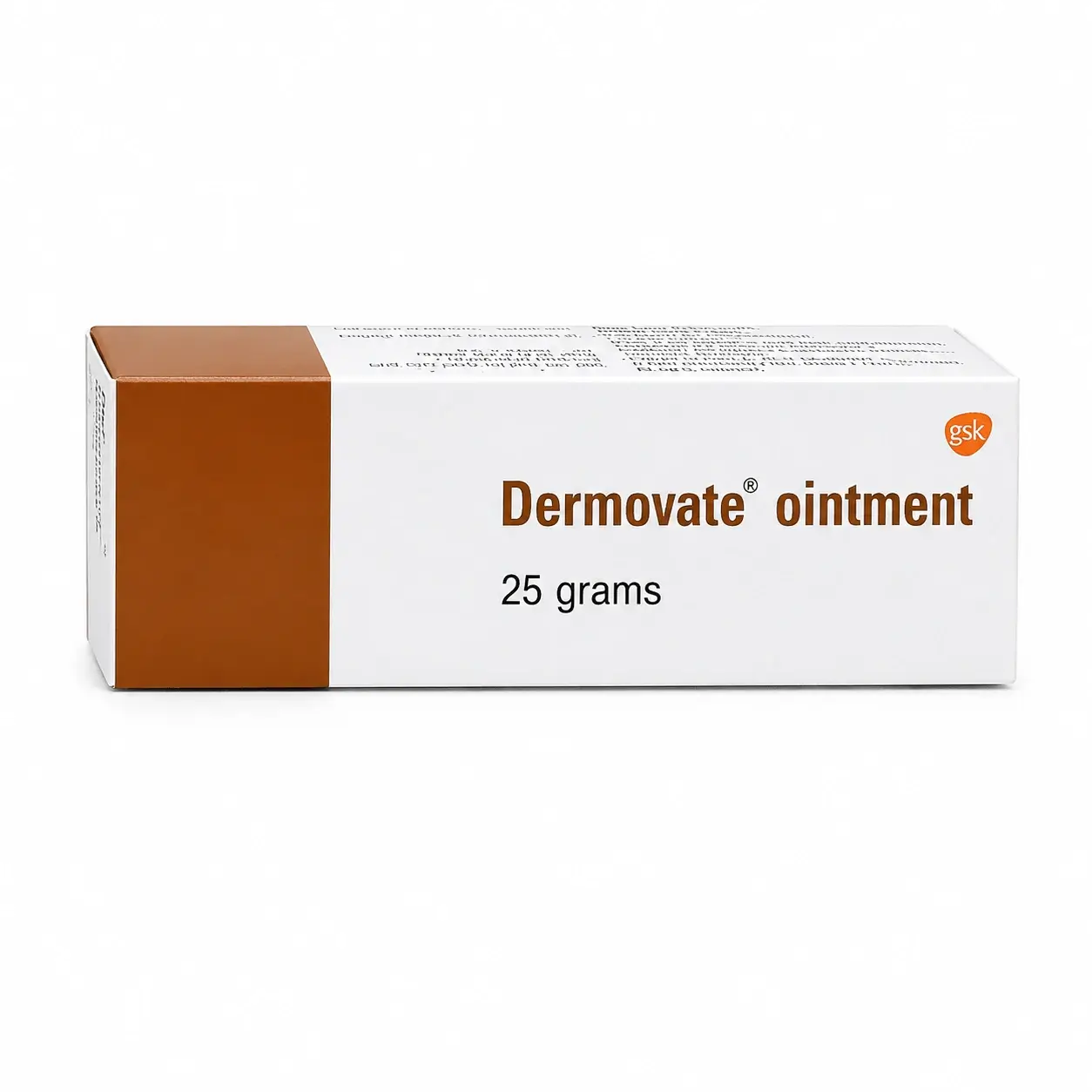

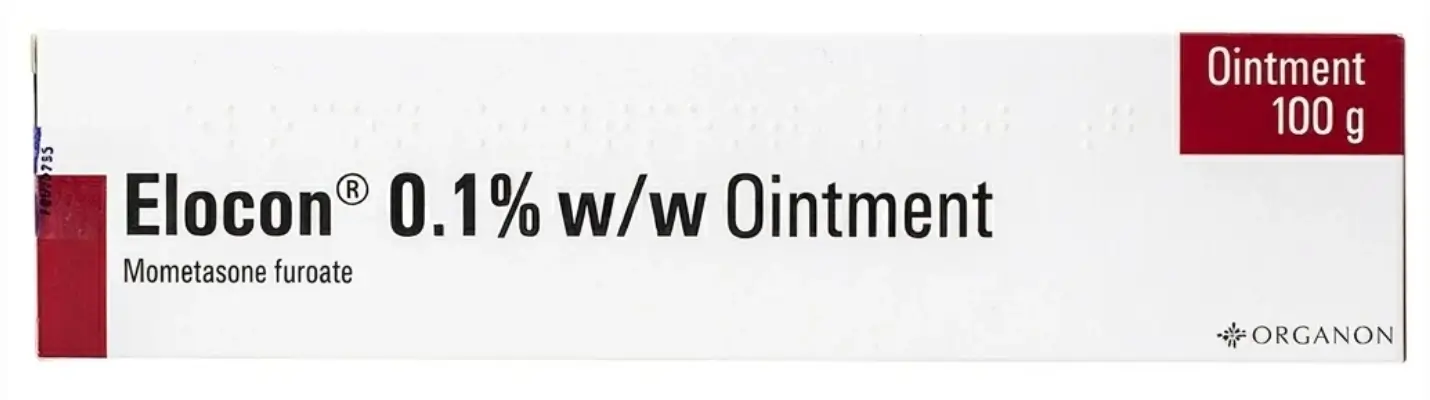
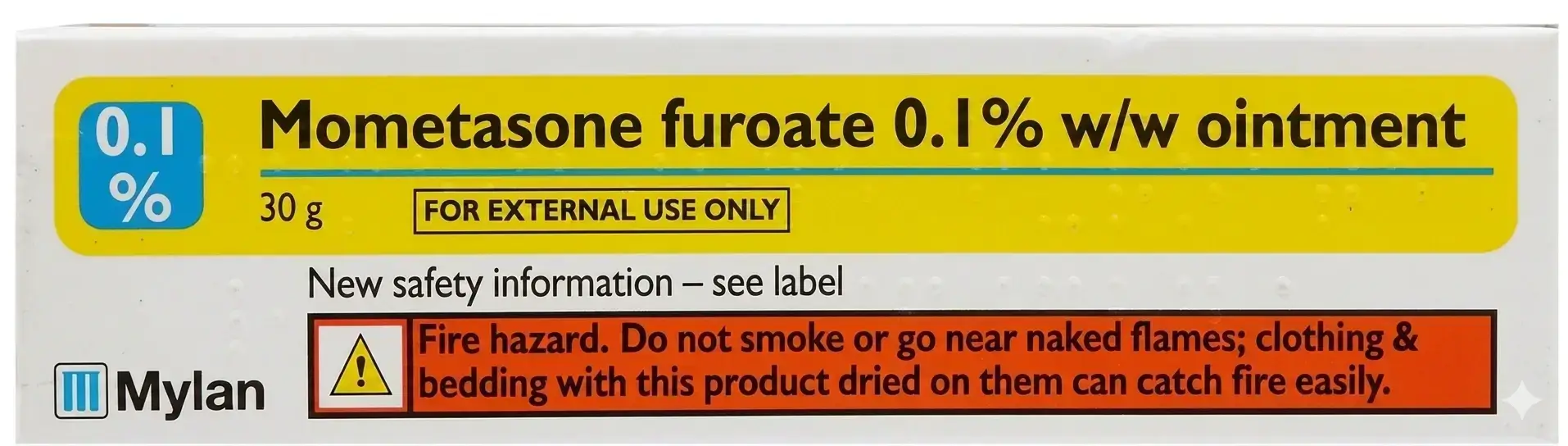
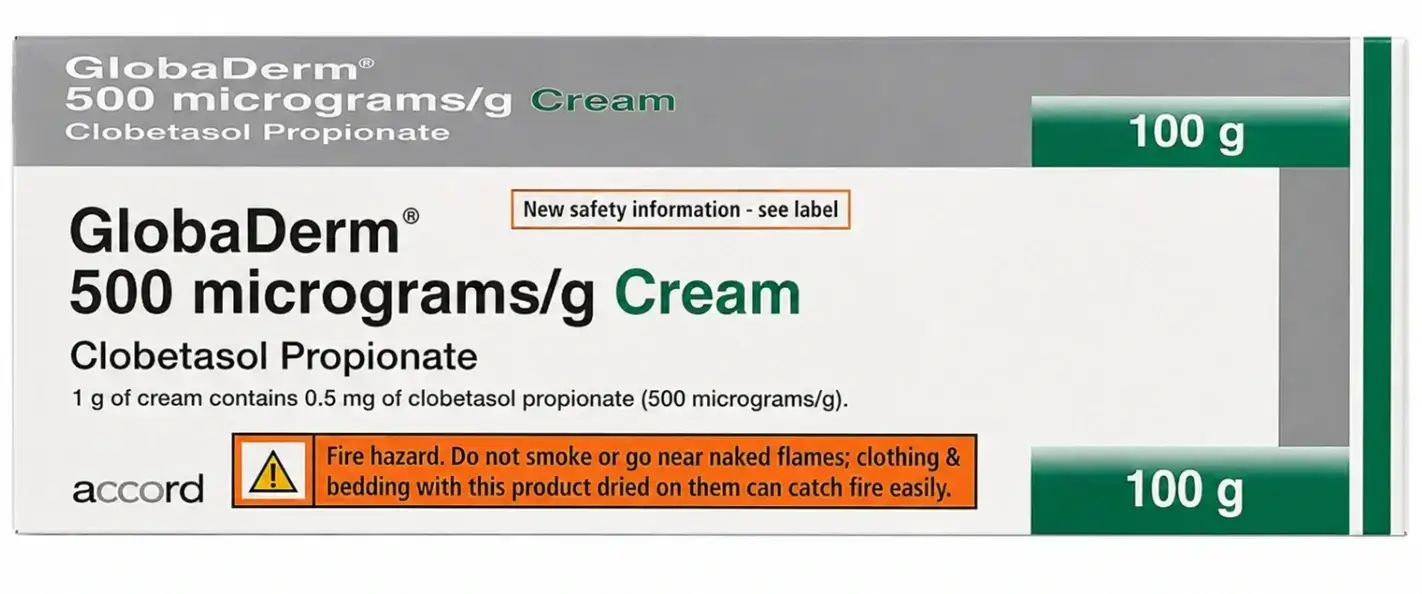

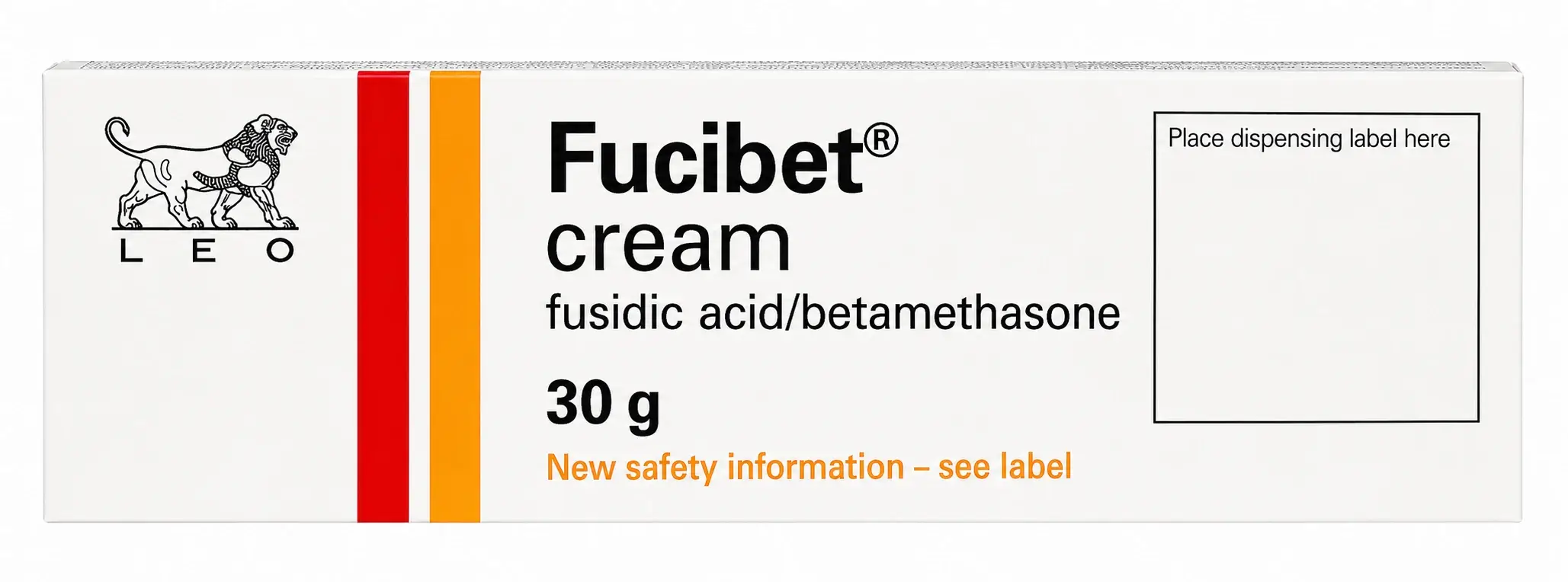
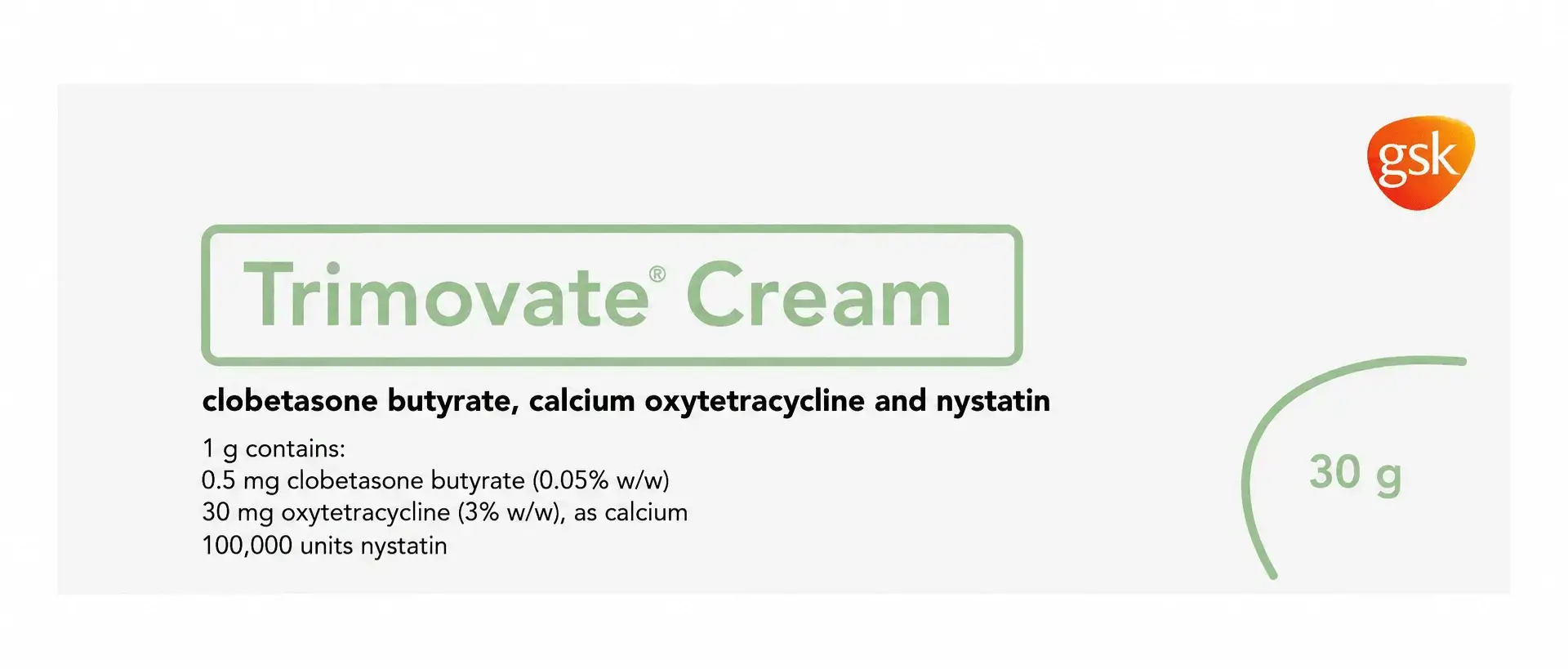

| Treatment type | How it works | Best for | Price from |
|---|---|---|---|
| Mild topical steroid (hydrocortisone) | Reduces inflammation and itching | Face, skin folds, mild flares | £12.99 |
| Moderate steroid (Eumovate) | Stronger anti-inflammatory effect | Mild–moderate body eczema | £15.99 |
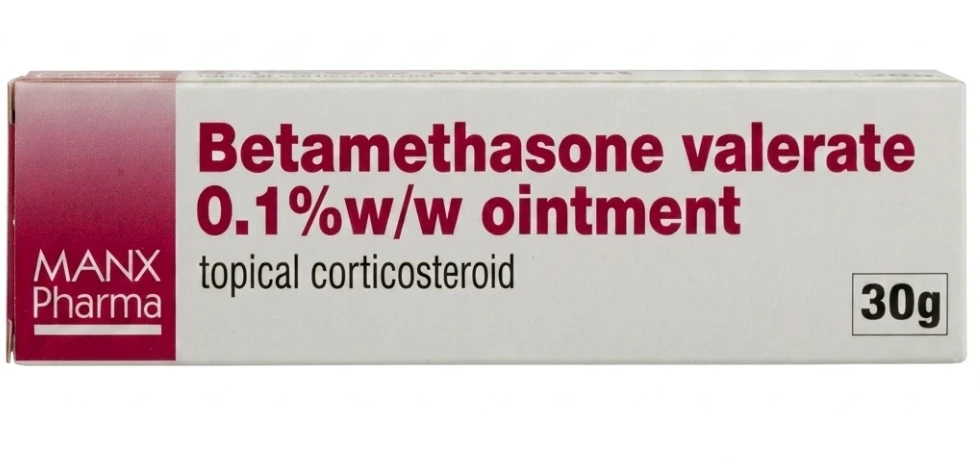
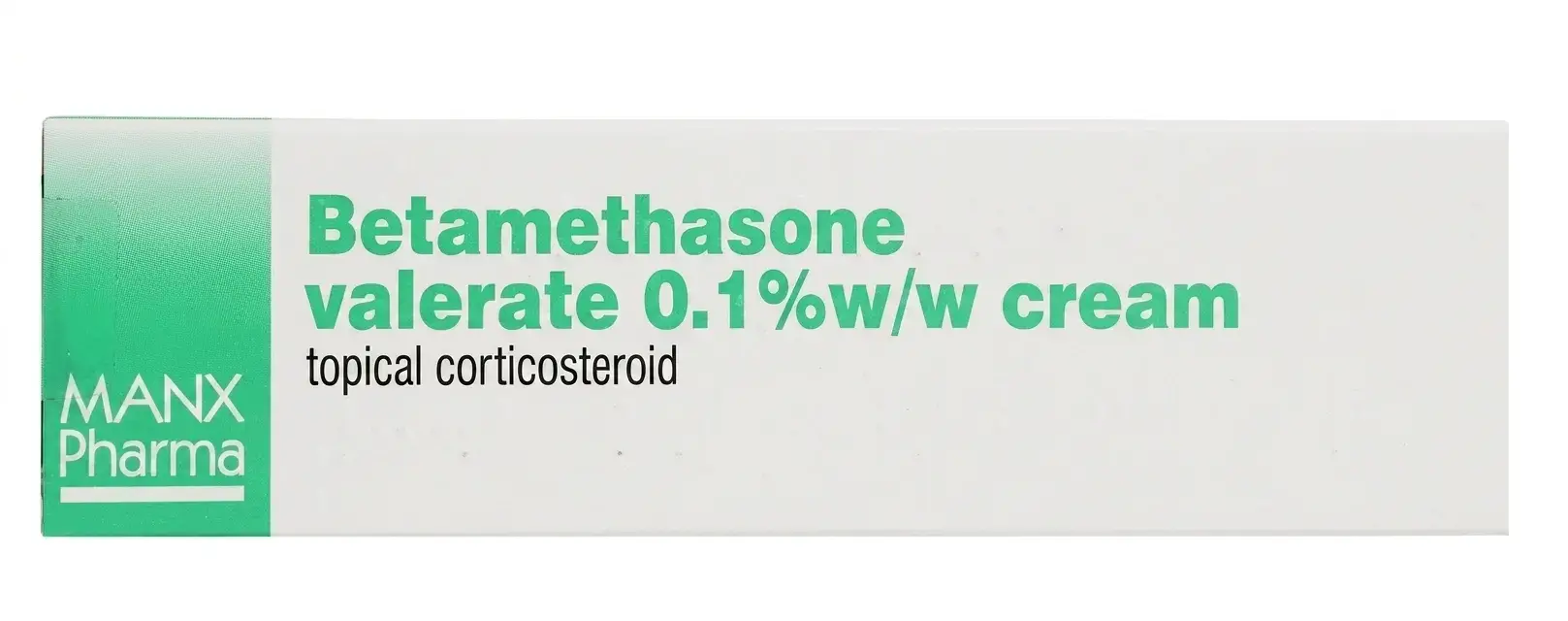
| Potent steroid (Betnovate) | Strong and fast-acting anti-inflammatory | Moderate–severe body eczema flares | £14.99 |
| Antibiotic-steroid combination | Treats infection + reduces inflammation | Infected eczema (weeping / crusting) | £12.99 |
Not sure which eczema treatment is right for you? A UK clinician will recommend the right option
Complete a short consultation so our clinicians can understand your eczema & dermatitis treatments treatment needs.
A prescriber checks whether treatment is clinically safe and appropriate for you.
If approved, your treatment is dispensed and delivered in plain packaging.
Speak to a clinician if your symptoms are persistent, worsening, or affecting your quality of life.
Eczema myths can lead to ineffective self-treatment, unnecessary food restrictions, and fear of medications that are actually safe and effective.
Topical steroid phobia leads to under-treatment and prolonged suffering. Used correctly — the right potency, on the right area, for the appropriate duration — prescription steroid creams including Betnovate and Dermovate are safe and effective. Skin thinning only occurs with prolonged incorrect use. Your Access Doctor prescriber will specify the correct strength and course length.
Not any more. Prescription topical steroids including Betnovate, Dermovate, and Eumovate can be issued following an online consultation reviewed by a GPhC-registered prescriber at Access Doctor — without a GP appointment.
Around 30–40% of children with eczema continue to have symptoms into adulthood. Adult-onset eczema is also well recognised. Assuming it will resolve without treatment can lead to years of unnecessary discomfort and preventable skin damage.
This page is for educational purposes only and does not constitute medical advice. Always consult a qualified healthcare provider regarding your symptoms and treatment options. Treatment options, including prescription-only medicines, are only discussed after your questionnaire is reviewed by a UK-registered clinician. Completing an online consultation does not guarantee that a prescription will be issued — this is assessed on individual clinical merit.
Prescription steroid creams tackle active inflammation. Consistent daily skin care prevents the next flare and significantly reduces how often you need prescription treatment.
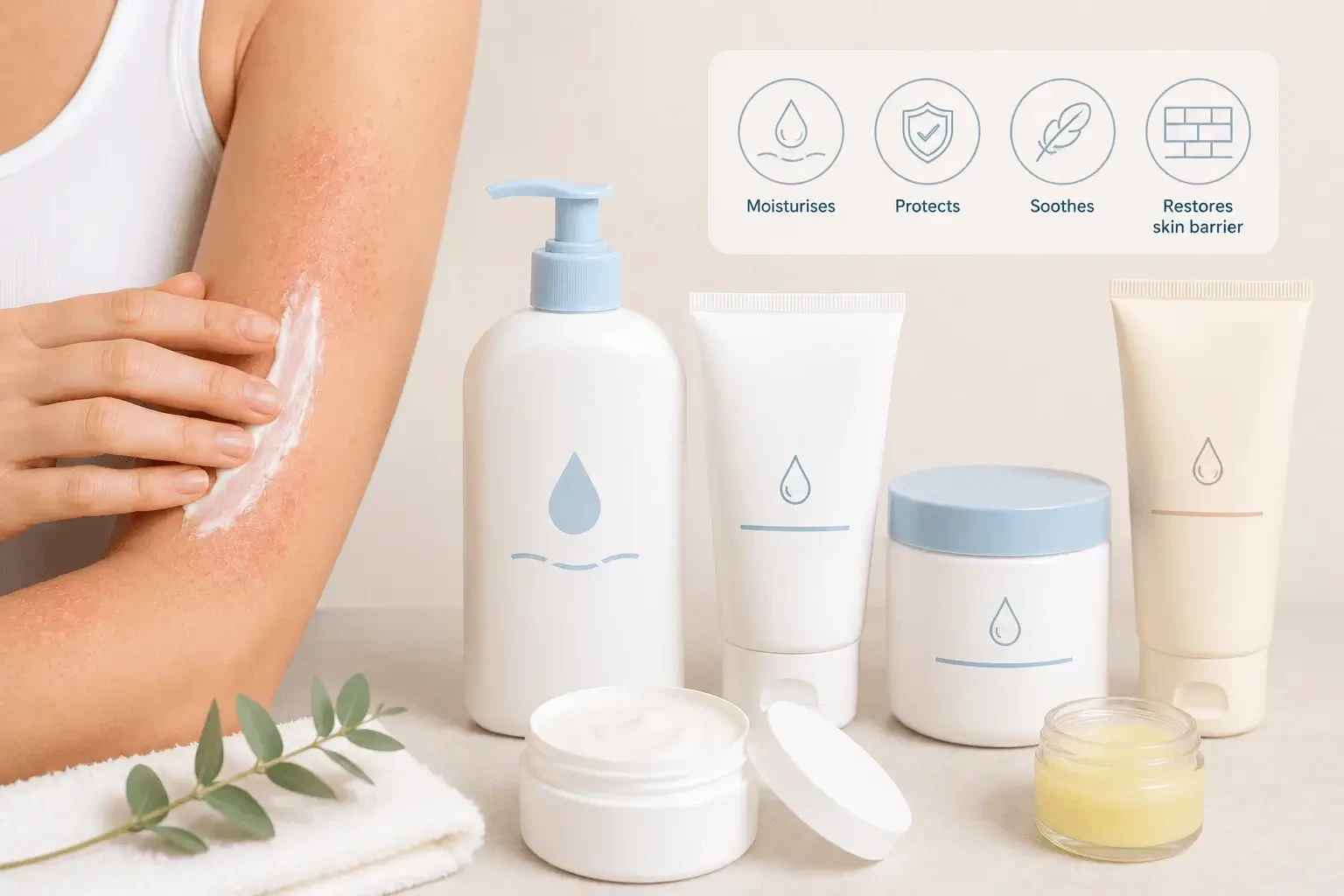
Moisturise liberally, every day — apply emollient at least twice daily even when the skin appears clear. Use it as a soap substitute too.
Identify your triggers — common ones include soap, fragranced products, synthetic fabrics, dust mites, pet dander, heat, and stress.
Use fragrance-free products — switch soap, shower gel, and laundry detergent. Wear cotton next to the skin.
Protect the skin barrier — keep fingernails short and clean to reduce damage from scratching.
Full emollient guide: Emollients for eczema — types, how to apply & which to choose →
During your consultation, a clinician will match the right treatment to your affected area and severity — you do not need to decide in advance. For a detailed breakdown, see the steroid cream strengths guide →
Common questions about eczema & dermatitis answered
Yes. Betnovate (betamethasone valerate 0.1%) is a prescription-only medicine in the UK, but you can get it prescribed online through Access Doctor without a GP appointment. Complete a short online consultation — a GPhC-registered pharmacist independent prescriber reviews your answers and, if appropriate, issues a prescription. Dispatched the same day with next-day delivery.
Yes. Dermovate (clobetasol propionate 0.05%) is available on prescription through Access Doctor following an online clinical consultation. It is the strongest routinely prescribed topical steroid and is intended for short-course use on severe or resistant eczema flares.
Complete a 2-minute online consultation on Access Doctor describing your symptoms, affected areas, and medical history. A GPhC-registered prescriber reviews your answers and, if suitable, issues your eczema prescription. Dispatched the same day if ordered before 3pm — next-day delivery in plain packaging.
Yes. If you have a previously diagnosed skin condition and are familiar with your prescribed treatment, Access Doctor can issue a repeat prescription following a short online consultation to confirm it remains appropriate.
Dermovate (clobetasol propionate 0.05%) is the very potent — Class 1 — topical corticosteroid available online through Access Doctor. It is intended for short-course use on severe, resistant flares unresponsive to milder treatments such as Betnovate.
Yes, when prescribed following a proper clinical assessment. Access Doctor’s online consultations are reviewed by GPhC-registered pharmacist independent prescribers — not automated software. All medicines supplied are MHRA-approved UK-licensed products from a GPhC-registered pharmacy (#9011198).
Order before 3pm on a weekday and receive next-day delivery. Access Doctor dispatches from a GPhC-registered UK pharmacy in plain, discreet packaging.
Helpful reads related to this treatment area.
Start a short online consultation and our clinical team will review whether treatment is suitable for you.