

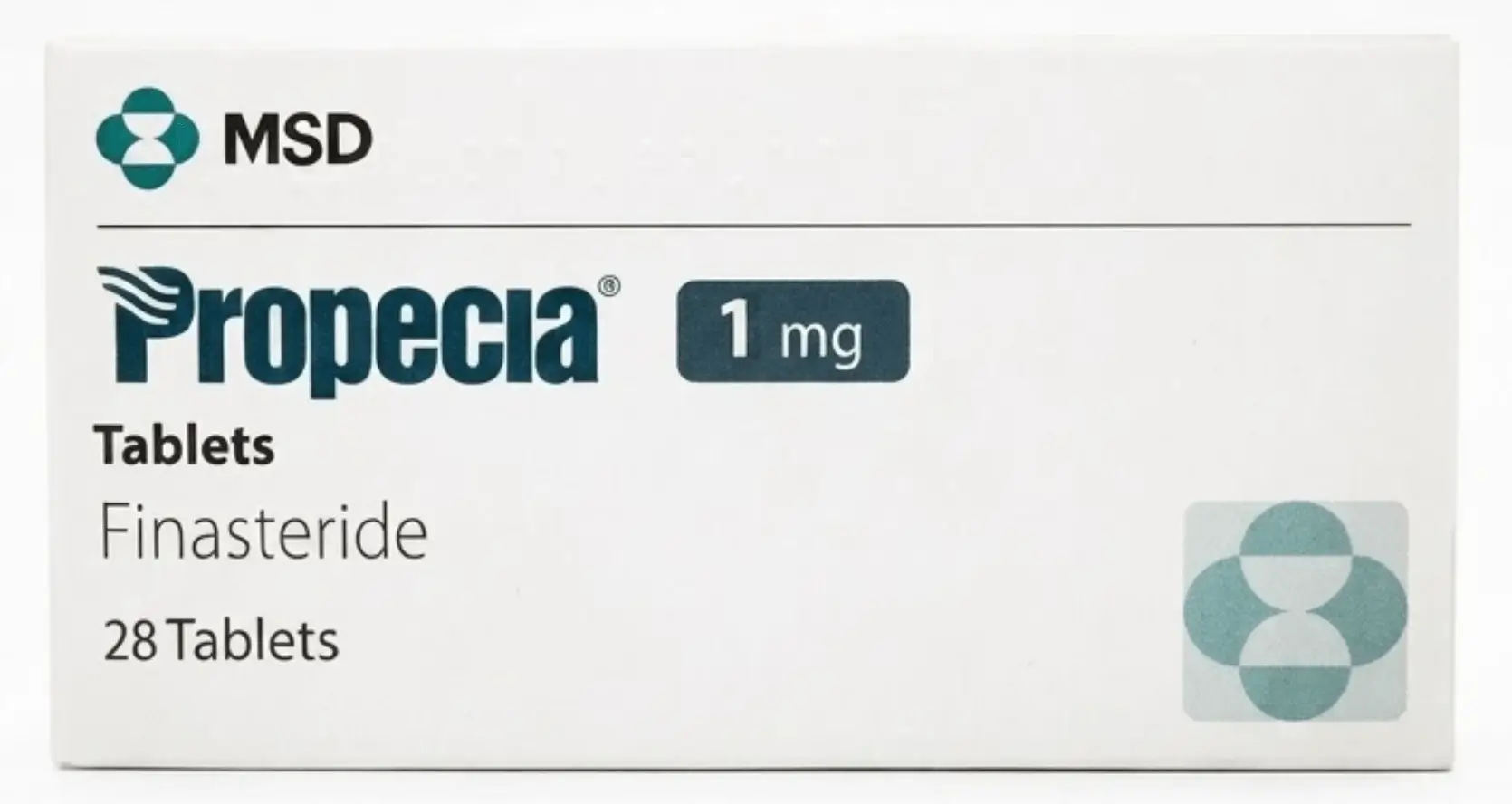
Propecia
From £65.00

Our friendly team is available to help Monday to Friday 9:00am – 5:00pm.
If you need urgent assistance, do not use this service. Call 111, or in an emergency call 999.

Noticing a receding hairline or a thinning crown? You're not alone. Male pattern baldness affects 6.5 million men in the UK, but effective, clinically-proven treatments can stop further loss and stimulate regrowth. At Access Doctor, you can access Finasteride and Minoxidil after a quick, discreet online consultation with a UK-registered prescriber.
Male pattern baldness (androgenetic alopecia) is a progressive, hereditary condition in which hair follicles gradually shrink in response to dihydrotestosterone (DHT), eventually stopping hair production altogether.
| Treatment | How it works | Results timeline | Price From |
|---|---|---|---|
| Finasteride 1mg (oral) | Blocks DHT production — the root hormonal cause | Stops loss in 3 months; regrowth at 12–24 months | £23.99 |
| Minoxidil 5% (topical) | Stimulates blood flow to follicles, extends growth phase | Reduced shedding at 4–6 months; regrowth at 6–12 months | £33.99 |
Not sure which option is right for you?
Seek prompt medical attention if you experience:
For a comprehensive list of all the male hair loss information visit our health guides section.
This page is for educational purposes only and does not constitute medical advice. Always consult a qualified healthcare provider regarding your symptoms and treatment options. Treatment options, including prescription-only medicines, are only discussed after your questionnaire is reviewed by a UK-registered clinician. Completing an online consultation does not guarantee that a prescription will be issued — this is assessed on individual clinical merit.
Hair loss treatments are surrounded by misinformation. These myths often delay people from starting therapies that are most effective early on.
This is one of the most damaging misconceptions. Treatments like Finasteride and Minoxidil are clinically proven to slow hair loss and, in many cases, stimulate regrowth. Results vary, but a large proportion of men see stabilisation or improvement — especially when treatment is started early.
Sexual side effects occur in a small percentage of users (around 2–4%) and typically resolve after stopping treatment. Persistent symptoms have been reported but are rare and not clearly established in large-scale studies. A proper medical consultation helps balance risks and benefits for each individual.
Hair loss treatment is ongoing because male pattern baldness is progressive. If you stop treatments like Minoxidil or Finasteride, any benefits are gradually lost. This isn’t dependency — it’s simply the underlying condition continuing without treatment.
There is no strong clinical evidence that vitamins, oils, or “natural” supplements can treat genetic hair loss. They may help if there’s a specific deficiency, but they do not address the hormone (DHT) responsible for follicle miniaturisation. Evidence-based treatments remain the most effective option.
No supplement or shampoo matches the clinical evidence of medical treatments. They don’t target DHT, the main cause of pattern hair loss.
Not true. Early treatment works best, but even visible thinning can often be improved.
Yes. Clinical trials show that finasteride stops hair loss in approximately 90% of men and produces visible regrowth in around 65% after two years. It works by blocking the conversion of testosterone to DHT, the hormone responsible for shrinking hair follicles. Results are maintained only while taking the medication.
Most men notice reduced shedding within 3–6 months of starting finasteride. Visible regrowth, where it occurs, typically takes 6–12 months. Maximum benefit is usually seen at 2 years. It is important to continue treatment — stopping finasteride reverses any gains within 6–12 months.
Yes — combining topical minoxidil with finasteride is a well-established and effective approach. They work via different mechanisms: finasteride reduces DHT levels while minoxidil stimulates blood flow to hair follicles. Used together, they produce better results than either treatment alone.
Sexual side effects including reduced libido and erectile dysfunction occur in a minority of men — approximately 2–4% in clinical trials. These side effects typically resolve on stopping treatment. Your prescriber will discuss the risk profile with you before issuing a prescription.
Male pattern baldness can start as early as the late teens, though it most commonly begins in the 20s and 30s. By the age of 50, approximately 50% of men show significant hair loss. Early treatment produces better outcomes — it is easier to maintain existing hair than to regrow hair from dormant follicles.
Though genetics is a crucial factor in predicting hair loss, incorporating lifestyle changes and prevention techniques can potentially mitigate or delay its onset.
1. A healthy diet that includes protein, iron, zinc, and other important nutrients is necessary for promoting healthy hair growth. Ensure to incorporate a variety of fruits, vegetables, whole grains, and lean proteins into your diet.
2. Regular exercise can enhance blood circulation in the body, which is crucial for promoting healthy hair growth, including the scalp.
3. To prevent hair loss, it is recommended to refrain from smoking and consuming excessive amounts of alcohol. Smoking can decrease blood flow to the scalp and excessive alcohol consumption can cause dehydration and malnutrition.
4. Stress management techniques like meditation, deep breathing, or yoga can help prevent or alleviate hair loss caused by stress.
5. It is recommended to handle hair with care by avoiding harsh treatments like bleaching or excessive heat styling, as they can cause damage and potentially lead to hair loss.
6. When selecting hair products, it is advisable to opt for gentle options that won't cause harm to your hair or scalp. It's best to steer clear of products containing harsh chemicals or those that may clog your hair follicles.
If hair loss is a concern, seeking medical treatment from a doctor is recommended. Minoxidil and finasteride are two treatments that have been known to slow down or potentially reverse hair loss in some men.
Male pattern hair loss can present difficulties for men, and seeking assistance can aid in managing the condition. Consider the following suggestions: Consulting with a healthcare professional can offer insights on available treatments and identify potential medical causes for hair loss.
Joining a support group can offer a community of individuals who comprehend your situation, providing emotional support and reducing isolation.
Counselling is a potential resource for managing the emotional effects of hair loss. A mental health expert can assist with addressing feelings of shame, embarrassment, or low self-esteem that may be linked to hair loss.
Exploring various hair styling options can assist in discovering a suitable appearance that provides ease. Consult with a professional hairstylist regarding alternatives that can disguise areas of hair loss or develop a style that complements your thinning hair.
Engaging in self-care practices such as exercise, maintaining a healthy diet, and getting sufficient sleep can improve one's physical and emotional well-being. Managing male pattern hair loss requires a gradual process that demands time and effort. It is important to maintain patience and seek resources and support to navigate through this experience.
How quickly does finasteride work for hair loss? Most men begin to see results within 3-6 months of daily finasteride use, with optimal hair regrowth results typically visible at 12 months.
Consistency is key - the medication must be taken continuously to maintain benefits.
Is male pattern baldness permanent? Without treatment, male pattern baldness is progressive and permanent. However, medications like finasteride can stop hair loss progression and stimulate regrowth in up to 90% of men when used continuously.
Can I buy hair loss treatment online in the UK? Yes, through Access Doctor's regulated online consultation service, you can purchase prescription hair loss treatments discreetly and legally. Our registered prescribers review your consultation and issue prescriptions for delivery throughout the UK.
What's the difference between Finasteride and Propecia? Finasteride is the active ingredient, while Propecia is the branded version. Both contain the same medication (finasteride 1mg) and work identically to treat male pattern hair loss. The main difference is price - generic finasteride offers the same effectiveness at a lower cost.
Are there any side effects of hair loss treatment? Finasteride is well-tolerated by most men. A small percentage may experience side effects such as decreased libido or erectile dysfunction. These effects are typically reversible when treatment is stopped. Always consult with a healthcare professional about potential risks and benefits.
How long do I need to take hair loss treatment? Hair loss treatment like finasteride requires ongoing use to maintain results. If you stop taking the medication, hair loss will typically resume within 6-12 months. Think of it as a long-term investment in maintaining your hair.
Helpful reads related to this treatment area.
Don't let hair loss affect your confidence. With proven treatments available from £23.99, you can take the first step today.

