


We’re here to help.
Our friendly team is available to help Monday to Friday 9:00am – 5:00pm.
If you need urgent assistance, do not use this service. Call 111, or in an emergency call 999.
Our friendly team is available to help Monday to Friday 9:00am – 5:00pm.
If you need urgent assistance, do not use this service. Call 111, or in an emergency call 999.
Fast, discreet delivery
Free delivery over £40
100% UK-based pharmacy
All doctors & pharmacists UK-based
Free advice & support
Clinical support free · Mon–Fri 9am–5pm
Why Patients Choose Access Doctor
10+
Years serving UK patients
—
Verified patient reviews
1,000+
Licensed treatments
24/7
Consultation available
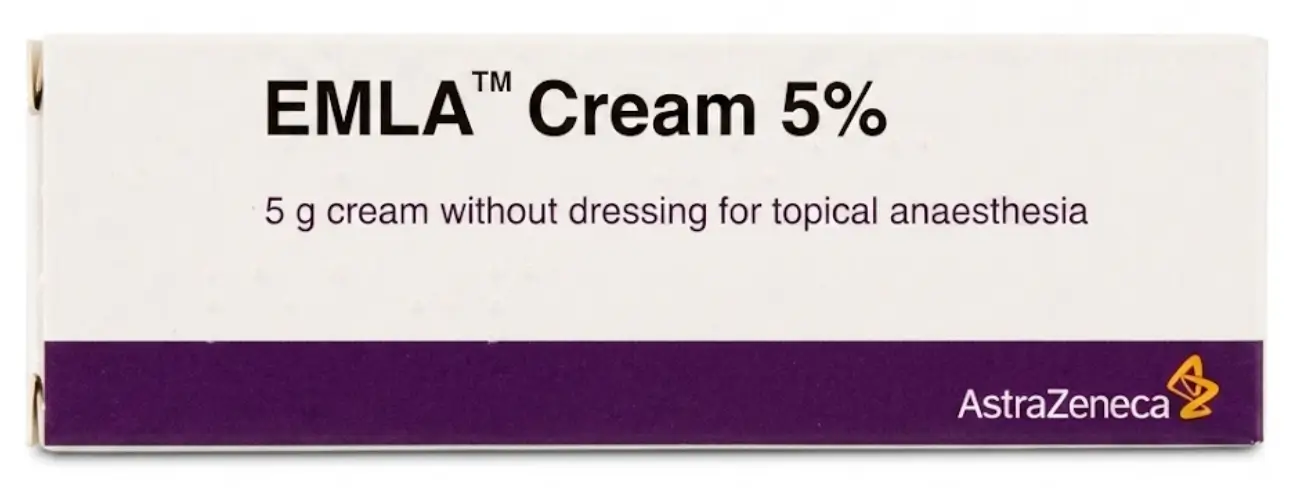
EMLA Cream is a topical anaesthetic cream that can be applied to the penis to increase the time it takes to ejaculate.
Using EMLA cream for premature ejaculation is an off-label use. Your prescriber will confirm during consultation whether EMLA or an alternative such as Fortacin is the more suitable option for you.
Order before 3pm — same-day dispatch (MON - FRI)
~5 min consultation
Secure & confidential · Reviewed by a UK prescriber
Suitable age
18 years +
Consultation
Yes — free online consultation
EMLA cream is a pharmacy medicine that can be obtained following a confidential online consultation with a UK‑registered clinician. Access Doctor can help determine if EMLA cream is right for you.
Apply the cream 15–30 minutes before sex – no earlier and no later. If you apply it too early, the numbing effect may decrease before intercourse. If you apply it too late, it may not have time to work.
Use only a pea‑sized amount – do not use more than this. Using too much can cause excessive numbness and may make it difficult to get or keep an erection.
Wash off excess cream before intercourse – this prevents the cream from transferring to your partner and numbing her, which can reduce her pleasure.
Be aware of the condom interaction – EMLA is oil‑based and can weaken latex condoms. Use polyurethane condoms instead, or ensure the cream is completely washed off before using a latex condom.
Do not use EMLA cream if you have G6PD deficiency, methaemoglobinaemia, or an open wound on your penis.
Do not use EMLA cream if you have ever had an allergic reaction to lidocaine, prilocaine, or other local anaesthetics.
If you experience any bluish colouring of your lips or fingernails, shortness of breath, dizziness, or a rapid heartbeat after applying EMLA cream, seek emergency medical help immediately.
At Access Doctor, you can buy EMLA cream following a confidential online consultation. We offer competitive pricing on both the 5g and 30g tubes, and you can order EMLA online with free, discreet EMLA next day delivery directly to your home in plain packaging. If you are looking for an effective, fast‑acting PE numbing cream, EMLA is a clinically proven choice trusted by thousands of men.
This information is for educational purposes and does not replace the advice of your doctor or pharmacist. Always read the patient information leaflet inside the pack. If you are unsure about any aspect of your treatment, speak to a healthcare professional.
| Active ingredients | Lidocaine 2.5% / Prilocaine 2.5% |
| Format | 5g or 30g tube |
| Medicine type | Pharmacy medicine – requires online consultation |
| Typical application | Apply 15–30 minutes before sex |
EMLA cream is a topical numbing cream that contains two local anaesthetic ingredients: lidocaine and prilocaine. Each gram of cream contains 25 mg of lidocaine and 25 mg of prilocaine. When you apply a small amount to your penis before sex, these ingredients are absorbed into the skin and temporarily reduce sensitivity in the treated area. This reduced sensitivity helps you last longer during sex without removing all sensation, so you can still enjoy the experience.
The cream works by blocking the nerve signals that transmit sensation from your penis to your brain. The most sensitive area is the frenulum – the small ridge of tissue on the underside of your penis that connects the foreskin to the glans (commonly called the "banjo string"). By numbing this specific area, EMLA helps delay the ejaculatory reflex, giving you better control.
Using EMLA cream correctly is essential for best results. Here is the step-by-step method:
Apply 15–30 minutes before sex. This gives the cream enough time to be absorbed and take effect. If you apply it too late, it may not work properly. If you leave it on for much longer than 30 minutes, it may numb the penis too much and could make it difficult to get or maintain an erection.
Use a pea‑sized amount. Squeeze a small amount of cream – about the size of a garden pea – onto your fingertip. This is usually enough to cover the frenulum area.
Apply to the underside of the head of the penis. Gently rub the cream into the underside of the penis where the head meets the shaft, focusing on the frenulum. If you are not circumcised, retract your foreskin first so the cream can reach the skin directly.
Wash your hands immediately. After applying the cream, wash your hands thoroughly with soap and water to avoid accidentally transferring it to your eyes or your partner's skin.
Remove excess cream before intercourse. Just before you have sex, wipe away any remaining cream from your penis with a tissue or a damp cloth. This is very important because the cream can transfer to your partner during intercourse, causing numbness in her vagina and reducing her pleasure.
Adjust the amount if needed. If the first application does not give you the desired effect, you can try applying a slightly larger amount or spreading it across a slightly wider area next time. Do not apply more than a pea‑sized amount on your first attempt – find the amount that works best for you through trial.
Can you use too much? Yes. Applying too much cream can over‑numb your penis, making it difficult to feel anything at all, which can make sex less enjoyable and may even make it harder to achieve or maintain an erection. Stick to the recommended dose and adjust gradually.
EMLA cream is clinically proven to be effective for the majority of men. In a clinical study of 40 men with premature ejaculation, applying EMLA cream 30 minutes before sex increased the time taken to ejaculate by an average of 8 minutes and 42 seconds, with some participants lasting 10 minutes or longer.
A 2025 randomised clinical study of 273 men compared EMLA cream, lidocaine spray, and benzocaine condoms. The study found that both lidocaine spray and EMLA cream significantly prolonged intravaginal ejaculation latency time (IELT) compared to benzocaine condoms, demonstrating their short-term effectiveness in managing PE.
Pooled evidence from systematic reviews confirms that EMLA is significantly more effective than placebo at increasing IELT. Studies suggest that EMLA cream is effective in up to 77% of men, meaning that nearly 8 out of 10 men will notice an improvement in their symptoms.
The effects of EMLA typically last for the duration of sexual activity. It is important to remember that results vary from person to person – some men respond very well, while others may need to adjust the amount or try a different treatment such as Priligy or delay sprays.
Like all medicines, EMLA cream can cause side effects, although not everyone gets them. Most side effects are mild and temporary.
Common side effects (may affect up to 1 in 10 people):
- Redness where the cream is applied
- Slight swelling of the treated area
- Tingling sensation
- Skin paleness (the skin temporarily looks lighter)
Less common side effects (rare):
- Mild burning or itching at the application site
- Small dot‑shaped bleeding, especially if applied for a long time or on broken skin
Serious side effects – rare but you need to know about them:
If you have a rare blood disorder called methaemoglobinaemia or an enzyme deficiency called G6PD deficiency, you should not use EMLA cream. In very rare cases, the lidocaine and prilocaine in EMLA can affect the blood and cause methaemoglobinaemia. Seek medical help immediately if you notice a bluish colouring of your lips or fingernails, shortness of breath, dizziness, or a rapid heartbeat after applying the cream.
If you experience a severe allergic reaction – such as swelling of your face, lips, tongue or throat, or difficulty breathing – stop using the cream and seek emergency medical help immediately.
What about numbness in your partner? If you do not wash off the excess cream before intercourse, it can transfer to your partner and cause temporary numbness in her vagina. This can reduce her pleasure and make sex less enjoyable for her. Always wipe away any remaining cream before sex.
There are several groups of people who should not use EMLA cream for premature ejaculation.
Do NOT use EMLA cream if:
- You are allergic to lidocaine, prilocaine, or any of the other ingredients in the cream. The cream contains cetostearyl alcohol and polyoxyethylene hydrogenated castor oil, which can cause local skin reactions in some people.
- You have a blood disorder called methaemoglobinaemia.
- You have an enzyme deficiency called G6PD deficiency (glucose-6-phosphate dehydrogenase deficiency).
- You have an open wound, cut, sore, or infection on your penis. Applying the cream to broken skin can cause it to be absorbed too quickly into your bloodstream, increasing the risk of systemic side effects.
- You are under 18 years of age – EMLA is not licensed for use in children for this purpose.
- You have a known hypersensitivity to other local anaesthetics of the amide type (such as bupivacaine or ropivacaine).
Use with caution (and speak to a doctor or pharmacist) if:
- You have severe liver problems – the medicine is processed by your liver.
- You have severe kidney problems.
- You are taking other medicines that can increase the risk of methaemoglobinaemia, such as certain antimalarials (e.g., primaquine) or sulfonamide antibiotics.
If you are uncertain whether EMLA cream is right for you, speak to a doctor or pharmacist before using it.
Yes, there is a very important interaction with latex condoms.
EMLA cream is oil‑based. Oil‑based products can weaken latex condoms, increasing the risk of them splitting or tearing. If you rely on condoms for protection against pregnancy or sexually transmitted infections (STIs), you should be aware of this risk.
To stay protected, you have two options:
- Use polyurethane condoms – these are not affected by oil‑based creams and will remain effective.
- Ensure that the cream is completely washed off your penis before putting on a latex condom. However, if you wash the cream off, you may also remove some of the numbing effect, so this is not ideal.
If you are using EMLA cream for PE and also need contraception or STI protection, speak to a pharmacist – they can advise you on the most suitable condom type for your situation.
What about other medicines? EMLA cream does not interact with most common medicines. However, you should tell your doctor or pharmacist about any other medicines you are taking, including prescription medicines, over‑the‑counter products, and recreational drugs. This includes other anaesthetics or medicines that affect your heart rhythm. If you are taking class I antiarrhythmic drugs (such as mexiletine or tocainide), the risk of side effects may be increased. If you have been prescribed Priligy (dapoxetine) or other PE treatments, you can usually use them alongside EMLA cream – but always follow your doctor's advice.
EMLA cream is available on the NHS, but it is not routinely prescribed for premature ejaculation. Its licensed uses in the UK are for numbing the skin before medical procedures such as needle insertion, blood sampling, or superficial surgery. When it is prescribed for premature ejaculation, this is an off‑label use – meaning it does not have a product licence specifically for this condition, but doctors and pharmacists can still prescribe it based on clinical evidence.
For most men, the most convenient and accessible way to get EMLA cream for PE is to buy EMLA cream online through a regulated online pharmacy like Access Doctor. You will need to complete a short online consultation – a health questionnaire that asks about your medical history and any other medicines you are taking. A UK‑registered doctor or pharmacist reviews your answers to ensure the treatment is safe and appropriate for you. If approved, the medication is prescribed and dispatched directly to your home.
You should never buy EMLA cream from unregulated websites or from friends – counterfeit medicines can contain dangerous substances and will not work properly.
If you want to buy EMLA cream online from Access Doctor, you will often find it is competitively priced. The price typically includes both the consultation fee and the medication, so there are no hidden extras.
Delivery: Most online pharmacies offer free EMLA next day delivery as a standard service. If you complete your consultation before the daily cut‑off time (usually mid‑afternoon Monday to Friday), your order will be dispatched the same day and arrive the next day via a tracked courier service such as Royal Mail Tracked 24. The packaging is discreet – plain and unmarked – so no one else knows what is inside. Once dispatched, you will receive tracking information to follow your parcel's progress to your door.
EMLA cream and delay sprays both contain local anaesthetics and work in a similar way – by numbing the penis to delay ejaculation. However, there are some differences to consider.
EMLA cream (lidocaine/prilocaine 5%): A cream that is applied to the frenulum area. It takes 15–30 minutes to work. Studies show it is highly effective, with some men lasting an average of nearly 9 minutes longer. The oil‑based formula can weaken latex condoms, so you need to use polyurethane condoms or wash off the cream before sex.
Stud 100 (lidocaine 9.6% spray): A spray that is applied to the glans and shaft. It works faster – in about 5–15 minutes. It is available over the counter without a consultation. However, it contains a higher concentration of lidocaine and can be easier to over‑apply, leading to more numbness.
Fortacin (lidocaine/prilocaine spray): A prescription spray that combines the same two ingredients as EMLA. It works in about 5–10 minutes and is specifically licensed for PE. Some men find sprays easier to apply than creams.
Which is right for you? It often comes down to personal preference. Some men prefer the precise application of a cream; others find sprays quicker and less messy. If you are not sure, speak to a doctor or pharmacist – they can help you choose the most suitable treatment based on your needs.
EMLA cream is one of several options for treating premature ejaculation. Other treatments available include:
- Priligy (dapoxetine) – a prescription pill taken 1–3 hours before sex that works by affecting serotonin levels in the brain to delay ejaculation
- Behavioural techniques – such as the stop‑start method or pelvic floor exercises
- Psychological therapy or counselling – for men whose PE is linked to anxiety or relationship issues
If you have used EMLA cream correctly for several attempts – applying a pea‑sized amount 15–30 minutes before sex and wiping off excess before intercourse – and you have seen no improvement in your ability to last longer, it may not be the right treatment for you. Some men respond better to different formulations or to oral medications like Priligy.
If EMLA is not working, speak to your doctor or pharmacist. They can help you adjust the amount or try a different approach. Do not keep using larger and larger amounts – this will not make it work better, but it will increase your risk of side effects.
Store below 25°C (room temperature) in a dry place, away from direct sunlight and heat.
Keep the tube tightly closed when not in use.
Keep the medicine out of the sight and reach of children.
Do not use the cream after the expiry date printed on the tube. The active ingredients become less effective over time.
If you have any leftover cream, do not throw it away in household waste or pour it down the sink. Take it to your local pharmacy, where it will be disposed of safely for you.
Yes - Emla Cream is a prescription-only medicine (POM), so it cannot be bought over the counter. It is available from Access Doctor following a short online consultation that is reviewed by a GPhC-registered prescriber. The process is straightforward: you complete the online consultation, a prescriber reviews your answers to confirm the treatment is safe and suitable for you, and once approved our UK pharmacy dispenses and dispatches your order in plain, discreet packaging. To begin, start your free online consultation here: https://accessdoctor.co.uk/consultation/premature-ejaculation/ - pack sizes, strengths and current pricing are all shown as part of the ordering process.
Helpful articles and clinical guides related to this treatment category.
Free consultation
Online review by a UK prescriber
Next-day delivery
Order before 3pm where offered
Discreet packaging
Plain outer packaging