


Works great

Our friendly team is available to help Monday to Friday 9:00am – 5:00pm.
If you need urgent assistance, do not use this service. Call 111, or in an emergency call 999.
0 items in your cart

Fast, discreet delivery
Free delivery over £40
100% UK-based pharmacy
All doctors & pharmacists UK-based
Free advice & support
Clinical support free · Mon–Fri 9am–5pm
Rated 4.9 out of 5
12,000+ verified patient reviews
Why Patients Choose Access Doctor
10+
Years serving UK patients
2,000+
Verified patient reviews
1,000+
Licensed treatments
24/7
Consultation available
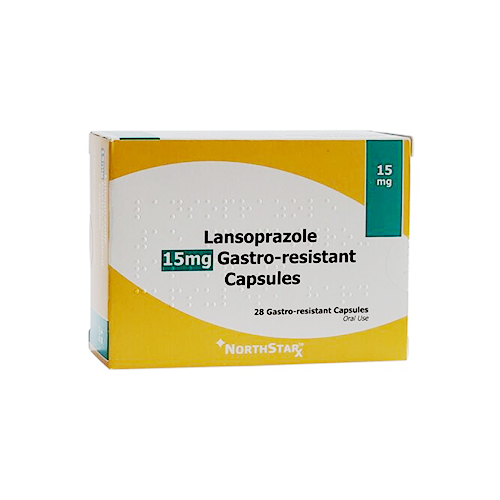
Lansoprazole capsules are a proton pump inhibitor. Works by reducing the amount of acid that your stomach makes.
Strength
Pack size
Order before 3pm — same-day dispatch (MON - FRI)
~5 min consultation
Secure & confidential · Reviewed by a UK prescriber
No subscription required · Free repeat prescriptions · Cancel anytime
Lansoprazole is a prescription‑only medicine – you cannot buy it over the counter. Your online consultation with Access Doctor will help determine if this treatment is right for you and which strength and duration you need.
If you have seen no improvement after 4 weeks of regular use, speak to your doctor.
If you are taking clopidogrel, lansoprazole is generally the preferred PPI.
If you are pregnant or breastfeeding, your doctor will usually recommend omeprazole instead.
Do not take lansoprazole for longer than necessary – long‑term use carries risks including low magnesium, bone fractures and vitamin B12 deficiency.
This information is for educational purposes and does not replace the advice of your doctor or pharmacist. Always read the patient information leaflet inside the pack.
Lansoprazole is a medicine that belongs to a group called proton pump inhibitors (PPIs). It reduces the amount of acid your stomach produces. This helps to protect your food pipe (oesophagus), stomach and upper intestine from acid damage. It is used for several different stomach and digestive problems: Gastro-oesophageal reflux disease (GORD) – when acid from your stomach regularly travels back up into your oesophagus, causing heartburn, acid regurgitation, discomfort and sometimes inflammation. Stomach ulcers (gastric ulcers) and upper intestine ulcers (duodenal ulcers). Helicobacter pylori infection – a bacterium that can cause ulcers. Lansoprazole is usually prescribed alongside two antibiotics to clear the infection. Ulcers caused by NSAIDs – medicines like ibuprofen or naproxen that can damage your stomach lining. Lansoprazole can both treat these ulcers and prevent them from forming if you need to keep taking NSAIDs. Zollinger-Ellison syndrome – a rare condition where a tumour causes your stomach to produce too much acid. Unlike omeprazole, which is available to buy from pharmacies for short-term heartburn, lansoprazole is a prescription-only medicine. You cannot buy it over the counter. It is available in capsule form, as well as orodispersible tablets (tablets that melt in your mouth) for people who have difficulty swallowing.
The cells in the lining of your stomach contain tiny pumps called proton pumps. These pumps are responsible for releasing acid into your stomach to help digest food. In people with acid-related problems, these pumps can be overactive, producing too much acid. Lansoprazole works by blocking these pumps. It switches them off, so the amount of acid your stomach makes is dramatically reduced. Once your stomach contains less acid, the lining of your food pipe and stomach can heal, and your symptoms – heartburn, pain, a sour taste in your mouth – will settle down. A single daily dose provides around-the-clock acid suppression because the effect lasts until your body naturally makes new pumps to replace the blocked ones.
Lansoprazole capsules are labelled as gastro-resistant or sometimes "enteric coated". This means the capsule has a special coating that stops the medicine from dissolving in the acid of your stomach. Instead, it passes through your stomach intact and only releases the medicine once it reaches your small intestine. If the coating were not there, the acid in your stomach would destroy the lansoprazole before your body could absorb it, and the medicine would not work. This is why you must swallow lansoprazole capsules whole. Do not chew them or crush them. However, a very helpful feature of lansoprazole is that you can open the capsules and mix the granules inside with a little water or fruit juice, or sprinkle them onto soft food such as yoghurt or apple purée, to help you swallow them. You must still swallow the mixture without chewing the granules. This makes lansoprazole a flexible choice for people who struggle to swallow capsules.
The most important rules are: take your capsules at the same time each day and take them before a meal. General advice from the NHS: You will usually take lansoprazole once a day, first thing in the morning. If you are prescribed it twice a day, take one dose in the morning and one dose in the evening. Lansoprazole works best if you take it at least 30 minutes before a meal. That is because food stops some lansoprazole from getting into your system. Swallow the capsules whole with a drink of water or juice. If you have difficulty swallowing capsules, you can open them and mix the granules with a small amount of water, fruit juice or soft food. Do not crush or chew the granules. If you need to take an antacid (such as Gaviscon), take it at least 2 hours before or after your dose of lansoprazole. Antacids can stop lansoprazole from working as well. Dosage – Each dispersible tablet or capsule contains 15mg or 30mg of lansoprazole. The usual dose to treat indigestion, acid reflux or stomach ulcers is 15mg to 30mg a day. The usual starting dose to treat Zollinger-Ellison syndrome is 60mg a day, which can be increased up to 180mg a day, with doses over 120mg split into two doses. Doses are usually lower for older people and people with liver problems. What if I forget to take a dose? If you usually take lansoprazole once a day and you forget a dose, take the missed dose as soon as you remember, unless your next dose is due in less than 12 hours. In that case, skip the missed dose and take your next dose at the usual time. If you usually take lansoprazole twice a day and you forget a dose, take the missed dose as soon as you remember, unless your next dose is due in less than 4 hours. In that case, skip the missed dose and take your next dose at the usual time. Never take two doses to make up for a forgotten one – this will not make it work faster and could increase your risk of side effects.
The length of treatment depends on the condition you are treating. If you have been prescribed lansoprazole for general indigestion or reflux – You may only need to take it for a few weeks or months. Once you feel better (often after a few days or weeks), you can stop taking it. Taking lansoprazole for a short time to treat symptoms is not suitable for everyone, so discuss with your doctor what is best for you. If you need long-term treatment (for example, for a chronic condition like Zollinger-Ellison syndrome) – You might need to take it for many years. Some people do not need to take lansoprazole every day and take it only when they have symptoms. Important follow-up rule – You must talk to a doctor if you do not feel better or if you feel worse after 14 days of treatment. When to stop a course – With any course, you should take lansoprazole for the shortest time possible. Long-term use comes with risks (such as low magnesium levels, bone fractures, gut infections and vitamin B12 deficiency), so PPIs should not be used for longer than necessary. How quickly will I feel better? You should start to feel better within 2 to 3 days. It may take up to 4 weeks for lansoprazole to work fully, so you may still have some symptoms during this time. If you have not seen a clear improvement after 4 weeks of regular use, speak to your doctor. You may need a different treatment, a higher dose, or further investigation.
When you stop lansoprazole after using it for several weeks, your stomach may temporarily start producing more acid than usual – a rebound effect. This can cause your heartburn or indigestion symptoms to return, sometimes worse than before. These symptoms usually settle down after two to four weeks of stopping the PPI and can be managed with an antacid such as Gaviscon. Your pharmacist or GP will be able to advise you. If you have been on long-term lansoprazole, your doctor may help you step down your dose gradually – for example, by reducing the frequency from once a day to every other day, or by switching you to a lower strength. Do not stop suddenly without medical advice if you have been taking it for months or years.
Most people tolerate lansoprazole very well, especially when used for short courses. However, like all medicines, side effects can occur. Common side effects (affect between 1 in 10 and 1 in 100 people): Headache Nausea (feeling sick) or vomiting Diarrhoea or constipation Stomach pain Wind (flatulence) These effects are generally mild and often settle as your body gets used to the medicine. Serious side effects (rare, but you need to be aware of them): Low magnesium levels (hypomagnesaemia) – If you take lansoprazole for more than 3 months, the levels of magnesium in your blood may fall. Symptoms include feeling tired, confused and dizzy, and you may experience muscle twitches, shaking and an irregular heartbeat. Low magnesium has been reported infrequently in patients treated with PPIs, with the increased risk associated with prolonged use of PPIs for over a year. If you get any of these symptoms, tell your doctor. Bone fractures – Taking lansoprazole for more than a year may increase your chances of bone fractures, particularly in the hip, wrist or spine. Gut infections – Taking lansoprazole for more than a year may increase your risk of a bacterial infection called Clostridioides difficile in your gut, which causes severe diarrhoea. Vitamin B12 deficiency – Taking lansoprazole for more than a year may increase your risk of vitamin B12 deficiency. Symptoms include feeling very tired, a sore and red tongue, mouth ulcers, and pins and needles. Skin rash in sun-exposed areas – PPIs have been associated with very infrequent cases of subacute cutaneous lupus erythematosus (SCLE), a non-scarring skin condition that can develop in sun-exposed areas. If you get a rash on your skin, especially in areas exposed to the sun, tell your doctor as soon as you can, as you may need to stop your treatment with lansoprazole. Kidney inflammation (acute tubulointerstitial nephritis) – A very rare but serious side effect that can cause fever, rash, reduced urine output and general fatigue. Severe skin reactions – Extremely rare, but if you develop a widespread rash, blistering or peeling of the skin, stop taking lansoprazole and seek urgent medical attention. When to stop and seek medical help: You develop a severe allergic reaction – swelling of your face, lips, tongue or throat, or difficulty breathing. You have persistent watery diarrhoea, especially with blood or mucus. You experience a widespread rash, particularly in areas exposed to the sun. You feel your symptoms getting significantly worse while taking the medicine.
Do not take lansoprazole if: You are allergic to lansoprazole or to any of the other ingredients in the capsules. This includes a sensitivity to other proton pump inhibitors. You have ever had a skin reaction after treatment with a medicine similar to lansoprazole that reduces stomach acid. Use with caution (and tell your doctor) if: You have serious liver disease – your doctor may need to adjust your dosage. You have ever had a skin reaction after treatment with a PPI. You are pregnant or breastfeeding (see detailed section below).
Lansoprazole can affect how other medicines work, and some medicines can affect how lansoprazole works. The clopidogrel interaction – This is one of the most important differences between lansoprazole and omeprazole. Lansoprazole is the PPI of choice for patients taking clopidogrel. Omeprazole can reduce the effectiveness of clopidogrel, increasing the risk of blood clots. This effect is less pronounced with lansoprazole, which is why some local formularies specify lansoprazole for patients on clopidogrel. Clopidogrel – Lansoprazole may reduce the antiplatelet effect of clopidogrel, but to a lesser extent than omeprazole. If you are taking clopidogrel, discuss this with your doctor before starting lansoprazole. Warfarin – Lansoprazole can increase the blood-thinning effect of warfarin, raising the risk of bleeding. If you take warfarin, your INR (clotting time) may need to be checked more often when you start or stop lansoprazole. Antiretroviral medicines – The European Medicines Agency has issued a referral on interactions between PPIs and HIV medicines. High-dose methotrexate – Using PPIs alongside high-dose methotrexate can increase methotrexate levels and toxicity. Antacids – Antacids can reduce the absorption of lansoprazole. Take antacids at least 2 hours before or after your lansoprazole dose. Other PPIs – Combining lansoprazole with other PPIs is not recommended. If you take any regular medicines, always check with your doctor or pharmacist before starting lansoprazole.
Yes. Lansoprazole can affect the results of certain laboratory tests, including: Chromogranin A (CgA) levels – used for detecting certain types of tumours. You may need to stop lansoprazole temporarily before this test. Urine screening for tetrahydrocannabinol (THC) – PPIs can produce false-positive results in some urine drug tests for cannabis. Vitamin B12, magnesium and calcium blood tests – long-term PPI use can affect these levels. If you are referred for any medical test, tell the healthcare professional that you are taking lansoprazole.
Pregnancy Lansoprazole is not the first choice PPI during pregnancy. Although it can be taken if you are pregnant, you will usually be offered a similar medicine called omeprazole instead. This is because there is much more information about the safety of omeprazole in pregnancy. If your symptoms are mild, you may wish to try non-medicine approaches first – such as eating smaller meals more often, avoiding fatty and spicy foods, sitting up straight when you eat, and propping your head and shoulders up when you go to bed. If you are pregnant or planning to become pregnant, speak to your doctor before taking lansoprazole. Breastfeeding Tell your doctor if you are breastfeeding. Lansoprazole can often be used when breastfeeding, but it is best to check because the medicine can pass into your breast milk in small amounts. Your doctor will usually recommend omeprazole or pantoprazole instead. It is rare for breastfed babies to get any side effects from medicines you are taking. But keep monitoring your baby – contact a healthcare professional or call 111 if you notice that your baby is not feeding as well as usual, has difficulty pooing, has diarrhoea or is being sick, is irritable or unsettled, or has difficulty sleeping.
Yes, children can take lansoprazole, but it must be prescribed by a doctor. The capsule form is often unlicensed in paediatrics, which means it does not have a specific licence for use in children, but it may still be prescribed by a specialist if the benefits outweigh the risks. For children, lansoprazole is available in orodispersible tablets (15mg) that can be halved to give 7.5mg or quartered to give 3.75mg using a tablet cutter. The tablet can be placed on your child's tongue and allowed to melt (about one minute) or they can gently suck it. Lansoprazole capsules are not licensed for use in children but may be considered where the formulation is advantageous. Some local formularies now list lansoprazole as the first-line PPI of choice for paediatric patients. If a doctor prescribes lansoprazole for your child, follow their dosing instructions carefully. The dose will be calculated according to your child's age and weight.
Lansoprazole and omeprazole are both first-line PPIs for GPs. They work in the same way – blocking the acid pumps in your stomach – and are generally similarly effective. However, there are a few differences: Clopidogrel interaction – Lansoprazole has a smaller effect on clopidogrel than omeprazole does. Because of this, lansoprazole is the PPI of choice for patients taking clopidogrel. Formulations – Lansoprazole offers greater flexibility for people with swallowing difficulties because you can open the capsules and mix the granules with food or drink. Lansoprazole also comes in orodispersible tablets that melt in the mouth. Pregnancy – Omeprazole is the preferred PPI in pregnancy because there is more safety data available. Cost – In some NHS formularies, lansoprazole capsules are considered more cost-effective than omeprazole capsules. If one PPI does not work well for you or causes side effects, your doctor can prescribe a different one. You may be switched to another PPI if you have not experienced the desired reduction in symptoms with omeprazole or lansoprazole.
There is some information to suggest that people taking medicines that reduce stomach acid, like PPIs, might have a very small increased chance of developing stomach cancer. It could be more likely in people taking them for longer than three years. However, studies involving more people need to be done to be sure that PPIs cause stomach cancer, rather than something else causing it. PPIs, like most medicines, can have side effects, so it is best to take them for the shortest time possible. Speak to your doctor if you notice any symptoms that can be signs of stomach cancer, including: Having problems swallowing Feeling or being sick Feeling full very quickly when eating Losing weight without trying to
Lansoprazole treats the acid, but lifestyle changes can make a big difference and may help you keep your symptoms under control with a lower dose or for a shorter time. Raise the head of your bed by about 10–20 centimetres (using bricks or bed risers). This stops acid from flowing back up your oesophagus while you sleep. Avoid eating large meals. Eat smaller, more frequent meals instead. Avoid eating for two to three hours before lying down or going to bed. Avoid or reduce trigger foods and drinks. Common triggers include fatty or spicy foods, chocolate, caffeine, alcohol, carbonated drinks, citrus fruits and tomatoes. Lose excess weight. Being overweight puts pressure on your stomach and can push acid back up. Stop smoking. Smoking relaxes the muscle that keeps acid in your stomach and also weakens your oesophagus. Wear loose-fitting clothing. Tight belts or waistbands can put pressure on your stomach and trigger reflux. For occasional heartburn that is not frequent enough to need a PPI, antacids or alginates (such as Gaviscon) can be effective.
Store below 25°C (room temperature) in a dry place, away from direct sunlight and heat. Keep the bottle or blister pack in its outer carton to protect it from moisture. Keep out of the sight and reach of children. Do not use the capsules after the expiry date shown on the packaging. If you have any leftover capsules, do not throw them in household waste or pour them down the sink. Take them to your local pharmacy for safe disposal.
Take ONE a day
Do NOT take indigestion remedies 2 hours before or after take this medicine. Swallow this medicine whole. Do not chew or brake. Take 30 to 60 minutes before food.
Works great
Testing in-app submission without order_id field. Enough characters here.
This is a test review submitted from API integration validation. Minimum length met.
Helpful articles and clinical guides related to this treatment category.
Free consultation
Online review by a UK prescriber
Next-day delivery
Order before 3pm where offered
Discreet packaging
Plain outer packaging