

We’re here to help.
Our friendly team is available to help Monday to Friday 9:00am – 5:00pm.
If you need urgent assistance, do not use this service. Call 111, or in an emergency call 999.
Our friendly team is available to help Monday to Friday 9:00am – 5:00pm.
If you need urgent assistance, do not use this service. Call 111, or in an emergency call 999.
Fast, discreet delivery
Free delivery over £40
100% UK-based pharmacy
All doctors & pharmacists UK-based
Free advice & support
Clinical support free · Mon–Fri 9am–5pm
Why Patients Choose Access Doctor
10+
Years serving UK patients
—
Verified patient reviews
1,000+
Licensed treatments
24/7
Consultation available
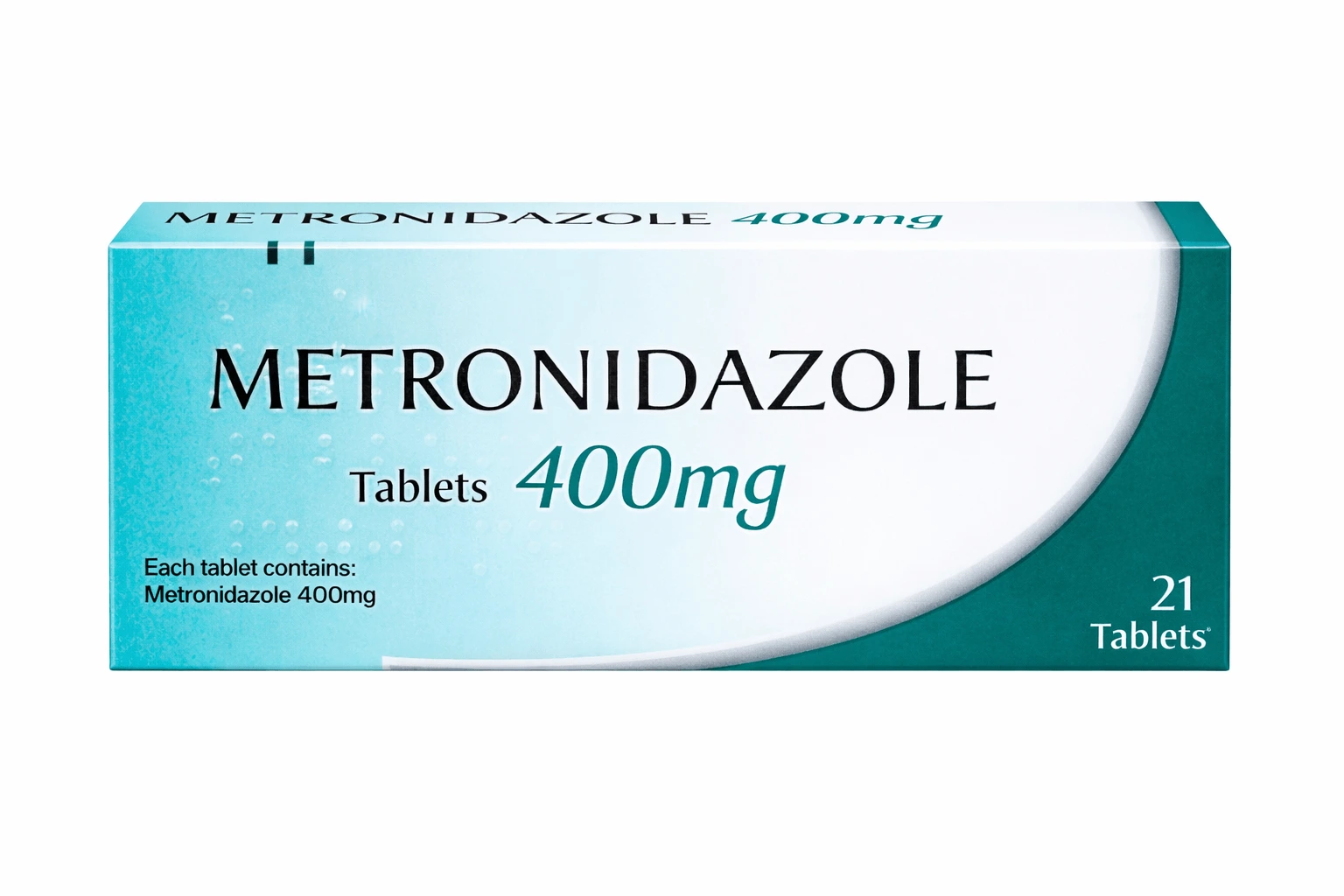
The usual first-choice treatment for bacterial vaginosis (BV): one 400mg tablet twice a day for 7 days. Prescribed after an online consultation with a UK prescriber, with no GP appointment needed.
Order before 3pm — same-day dispatch (MON - FRI)
~5 min consultation
Secure & confidential · Reviewed by a UK prescriber
Suitable age
18 years +
Max per order
1 course (14 tablets)
Consultation
Yes, online (included in the price)
Metronidazole is an antibiotic from a group called nitroimidazoles, and it’s licensed in the UK to treat bacterial vaginosis. BV happens when the protective lactobacilli in the vagina fall and other bacteria, mostly the kind that grow without oxygen, take over. Metronidazole is very effective against those bacteria. Clearing them lets the normal balance return, and the discharge and smell settle.
UK guidance recommends treating BV that’s causing symptoms, and metronidazole tablets are the usual first choice. Metronidazole gel and clindamycin cream, used inside the vagina, are alternatives. Our guide comparing BV treatment options explains the differences. BV without symptoms doesn’t usually need treatment. For a full explanation of symptoms and causes, see our bacterial vaginosis guide.
We supply the licensed 7-day course: 14 × 400mg tablets. A GPhC-registered pharmacist independent prescriber reviews your consultation, including the other medicines you take. If treatment is right for you, our UK pharmacy dispenses it in plain packaging. If it isn’t, the prescriber will tell you why and where to get the right care. You can see all our BV treatment online options on one page.
| Active ingredient | Metronidazole 400mg tablets |
| Used for | Bacterial vaginosis (licensed use) |
| Dose | 400mg (1 tablet) twice a day, about 12 hours apart, with or after food |
| Course | 7 days, 14 tablets |
| Alcohol | None during the course and for at least 48 hours after |
| Prescription | Prescription-only medicine (POM) |
| How supplied | After an online consultation with a UK prescriber |
| Delivery | Approved before 3pm, Mon–Fri: dispatched same day by Tracked 48, Tracked 24 or Special Delivery by 1pm |
Metronidazole treats BV, which typically causes a thin, white or grey discharge with a strong fishy smell, often worse after sex. Our guide to BV symptoms describes them in detail. BV doesn’t usually cause itching or soreness. If that’s your main problem, thrush is more likely, and it needs an antifungal instead. Our guide to BV vs thrush explains the difference.
Our online service isn’t suitable if you:
are pregnant or might be pregnant. Speak to your midwife, GP or a sexual health clinic, who can treat BV in pregnancy and check it has cleared;
are breastfeeding. Metronidazole passes into breast milk, so speak to your GP or a sexual health clinic, who can advise on the safest treatment for you and your baby;
have pain in your lower tummy or pelvis, a high temperature, or feel unwell;
have bleeding between periods, after sex or after the menopause;
have sores, blisters or lumps, or your symptoms started after sex with a new partner. You may need an STI test;
get BV more than 4 times a year. Your GP or a sexual health clinic can look at longer treatment. Our guide to recurrent BV explains the options.
Metronidazole isn’t suitable if you:
are allergic to metronidazole or a similar antibiotic such as tinidazole;
have Cockayne syndrome (a rare genetic condition), because of the risk of severe liver damage;
can’t avoid alcohol during the course and for 48 hours afterwards.
Metronidazole is an antibiotic that kills the bacteria that overgrow in BV, mostly the kind that thrive without oxygen. Clearing them lets the vagina’s protective lactobacilli recover, so the normal balance returns and the discharge and smell settle.
One 400mg tablet twice a day, about 12 hours apart, for 7 days. That’s 14 tablets in total, and it’s the course we supply. Take each tablet with or just after food, and finish the course even if you feel better sooner. A single 2g dose is sometimes used elsewhere, but BV comes back more often after it, so we don’t supply it.
Many people notice the smell and discharge improving within 2 to 3 days. Keep taking it for the full 7 days. If you’re no better by day 3 or 4, or your symptoms get worse, speak to a GP or sexual health clinic, as something else, such as thrush, may be going on.
No. Avoid alcohol completely during the course and for at least 48 hours after your last tablet. Drinking can cause a reaction with flushing, feeling or being sick, headache and a pounding heartbeat. Check the labels of mouthwashes and cough or cold medicines too, as some contain alcohol. Our guide on how to take metronidazole explains more.
The ones people notice most are a metallic taste, feeling sick, loss of appetite, stomach upset and headache. Your urine may look darker, which is harmless. Stop and get help for a serious allergic reaction, yellowing of the skin or eyes, or numbness or tingling in your hands or feet.
Our online service doesn’t treat BV in pregnancy. BV in pregnancy should be treated, so speak to your midwife, GP or a sexual health clinic. They can prescribe a suitable course and check it has cleared afterwards. We also don’t treat BV online while you’re breastfeeding, because metronidazole passes into breast milk and the product information advises caution. Your GP or a sexual health clinic can advise on the safest option for you and your baby.
A male partner doesn’t need treatment. BV isn’t classed as a sexually transmitted infection, and treating male partners hasn’t been shown to stop it coming back. If your partner is a woman or has a vagina, she may also need treatment, so she should speak to her GP or a sexual health clinic.
They contain the same antibiotic. The tablets treat BV through your bloodstream. The gel (Zidoval) is put into the vagina at bedtime for 5 nights, so less reaches the rest of your body and stomach upset is less likely. The gel is currently out of stock, so we supply the tablets.
Yes, with some. It can increase the effect of warfarin, and raise levels of lithium, phenytoin, ciclosporin, busulfan and fluorouracil (5-FU). It shouldn’t be taken with disulfiram. Tell the prescriber about every medicine you take, including anything bought without a prescription and herbal remedies.
BV often returns within a few months, even after successful treatment. Up to 3 in 10 women have it again within 3 months. Washing with water and plain soap and avoiding douching, perfumed washes and vaginal deodorants can help. If you get BV more than 4 times a year, see your GP or a sexual health clinic about longer treatment. Our guide to recurrent BV explains the options.
Helpful articles and clinical guides related to this treatment category.
Free consultation
Online review by a UK prescriber
Next-day delivery
Order before 3pm where offered
Discreet packaging
Plain outer packaging